

The world’s financial system is evolving fast. Traditional banking is slow, expensive, and excludes billions of people. Stablecoins like USDT already move trillions annually, offering borderless value transfer in seconds. Yet most blockchains weren’t built for this scale—they suffer from high fees, congestion, and complexity that limit mainstream use. Plasma changes that. It is a purpose-built Layer-1 blockchain designed to become the infrastructure layer for the next global financial system, centered on stablecoins.
Plasma delivers what real-world finance needs most: speed, low cost, security, and accessibility. It uses PlasmaBFT consensus to achieve sub-second block times and handles over 1,000 transactions per second with near-instant finality. Basic USDT transfers are completely free through a protocol-sponsored paymaster—no gas, no need to hold $XPL for simple sends. This single feature removes the biggest barrier preventing stablecoins from replacing slow remittances, high-fee wires, and limited banking access.
For everyday users in Multan, Karachi, or any emerging market, this means sending money home instantly without losing 5–10% to fees. A worker in Dubai or the UK can transfer full USDT value to family in Punjab, who receive it in seconds via wallet or Plasma One app. No bank account required, no long waits, no hidden charges. Plasma One—the stablecoin-native neobank—takes this further: users earn 10%+ yields on holdings, spend with virtual and physical cards (up to 4% cashback), and send zero-fee transfers globally. It operates in over 150 countries with simple onboarding, turning stablecoins into practical daily money for saving, spending, and paying.
Businesses and institutions benefit too. Merchants accept USDT and settle instantly without card fees or bank delays. Freelancers receive international payments in minutes instead of weeks. B2B cross-border trade flows faster and cheaper. Full EVM compatibility lets developers build with existing tools—MetaMask, Hardhat, Solidity—while custom gas tokens allow fees in USDT or BTC when needed. The trust-minimized Bitcoin bridge brings BTC security on-chain as pBTC (1:1 backed, no custodians), combining Bitcoin’s strength with stablecoin usability.
Privacy features are coming with opt-in confidential transactions. Amounts, recipients, and memos can be hidden while remaining compliant through selective disclosure for audits or regulations. This balances openness with the confidentiality people expect in salaries, supplier payments, or family support.
Plasma launched with deep stablecoin liquidity (billions in USDT TVL at peaks) and integrations like Tether’s USD₮0, ensuring smooth flows from day one. The native token $XPL secures the network via staking (PoS), pays gas for advanced actions, enables governance, and captures value as usage grows. With fee burning (EIP-1559) offsetting inflation, long-term holders benefit from real network activity rather than speculation alone.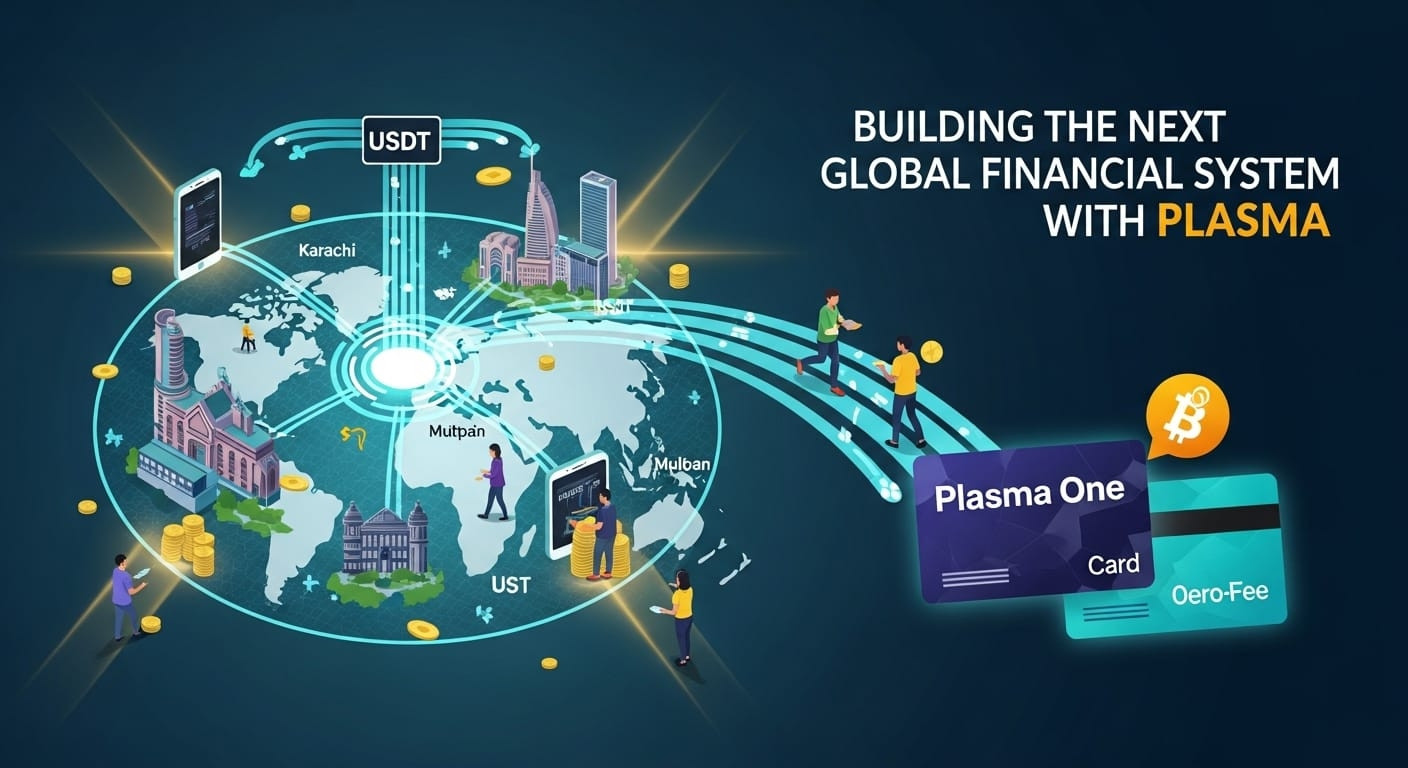
The vision is clear: Plasma isn’t trying to compete in general-purpose smart contracts. It focuses on what stablecoins do best—serve as programmable, borderless money. As stablecoin volumes continue exploding and traditional rails become outdated, Plasma is positioned to power the next financial system: inclusive, instant, low-cost, and built for trillions in daily value transfer.
For beginners in Multan or anywhere, getting started is simple. Visit plasma.to/docs, add the network to your wallet (Chain ID 9745, RPC https://rpc.plasma.to), explore Plasma One, and try a zero-fee USDT send. The tools are here today; the trillion-dollar future is being built now.


