@Vanarchain : Gaming Infrastructure, PayFi Rails, and the Architecture of Digital Loyalty
Gaming × PayFi × Metaverse — as a coherent system.
Most blockchains trying to enter gaming start from the same flawed premise:
“How do we insert tokens into games?”
#vanar started from a different question:
“What does gaming infrastructure actually need to scale globally — without breaking immersion?”
That difference changes everything.
1. The Origin Matters More Than the Marketing
Vanar did not begin as a Layer 1 looking for a narrative. It emerged from Virtua — a gaming and entertainment platform with years of operational experience handling IP, digital collectibles, player behavior loops, and cross-platform deployment.
This isn’t cosmetic.
It means:
The team has shipped consumer products.
They’ve handled mainstream IP expectations.
They understand retention metrics, not just token emissions.
Jawad Ashraf (tech investor background) and Gary Bracey (35+ years in gaming, Ocean Software era) didn’t come from DeFi. They came from gaming distribution cycles, console transitions, publishing risk, and audience psychology.
That DNA shapes the chain.
Vanar is built on GO Ethereum with full EVM compatibility — but optimized for:
• High throughput
• Predictable low fees
• Stability under gaming load
• Minimal latency spikes
Because in gaming, a few seconds isn’t “gas fluctuation.”
It’s player disconnection.
2. Why Gaming Blockchains Usually Fail
Let’s be honest.
Most Web3 gaming infrastructure fails for three structural reasons:
Wallet friction
Gas unpredictability
Token-first economies
Vanar’s architecture directly targets these.
Through account abstraction and SWAYE social wallets:
[██████████] Web2 login simplicity
[ ] Seed phrase anxiety
Gas sponsorship allows:
User pays → 0%
Network absorbs → Variable %
Meaning the economic model shifts from:
“User funds infrastructure”
to
“Infrastructure subsidizes user acquisition”
That’s how mobile gaming scaled.
Remove friction. Monetize later.
3. Virtua Metaverse: Not Just a World — A Persistence Engine
Virtua is not simply a metaverse showroom.
It is the consumer layer that stress-tests Vanar’s infrastructure.
Key features matter strategically:
• Cross-device access (desktop, mobile, AR, VR)
• NFT utility tied to gameplay, not speculation
• Interactive questlines and persistent land
• On-chain asset ownership integrated with progression
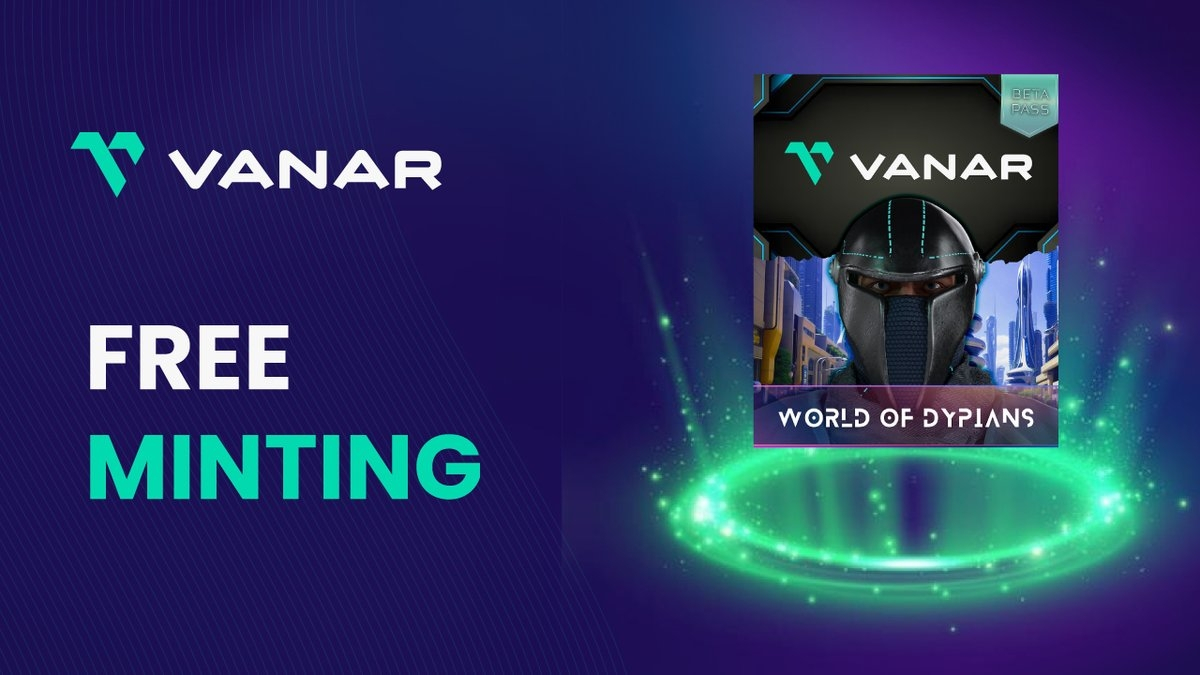
The Bazaa marketplace enables dynamic NFTs — assets that affect gameplay outcomes, not static JPEG collectibles.
This matters because:
Static NFTs = financial instruments.
Functional NFTs = economic primitives.
When assets influence strategy, generate resources, or unlock progression paths, they stop being collectibles.
They become in-game capital.
4. VGN: The Infrastructure Play Most People Miss
The Virtua Games Network (VGN) is arguably the more important layer.
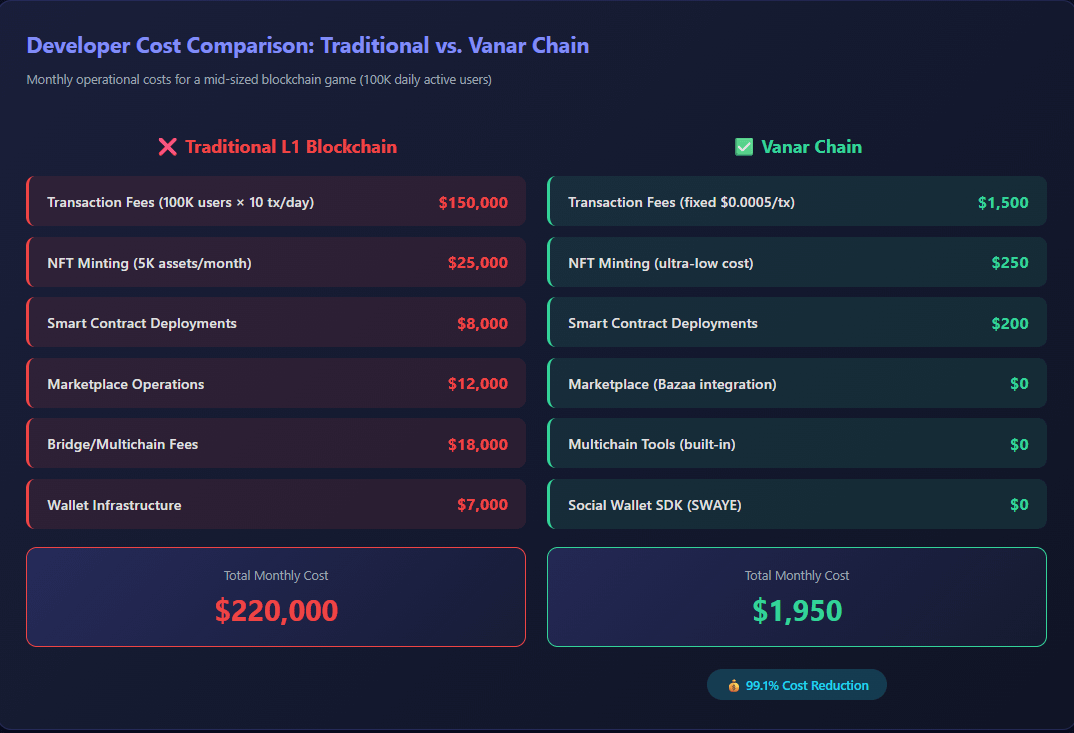
Instead of asking studios to rebuild on-chain logic from scratch, VGN provides:
• Unreal & Unity APIs
• Micropayment modules
• Marketplace integrations
• Crafting & rewards systems
• Social layer overlays
• Multichain minting tools
This is infrastructure abstraction.
Developers don’t “become Web3.”
They toggle blockchain functionality on.
That lowers integration cost — which is the single biggest barrier for traditional studios.
Gaming studios optimize for:
• Time-to-market
• Retention curves
• Revenue per user
If blockchain increases development friction, it gets cut.
VGN reduces that friction.

5. PayFi Inside Gaming: Why This Is Bigger Than NFTs
Most discussions stop at “digital ownership.”
That’s surface level.
The deeper shift is PayFi embedded inside game economies.
Think about what happens when:
• Micropayments settle instantly
• Cross-game rewards transfer through unified identity
• Asset minting works across chains
• Settlement rails are native, not external
Gaming becomes a real-time financial environment.
But without visible finance.
In traditional gaming:
Payment → Apple / Google → Studio → Player reward loop
On Vanar:
Payment + asset logic + reward settlement occur within the same programmable layer.
That compresses financial latency.
And latency compression changes behavior.
When rewards settle instantly:
• Engagement loops tighten
• Retention improves
• Cross-game ecosystems become viable
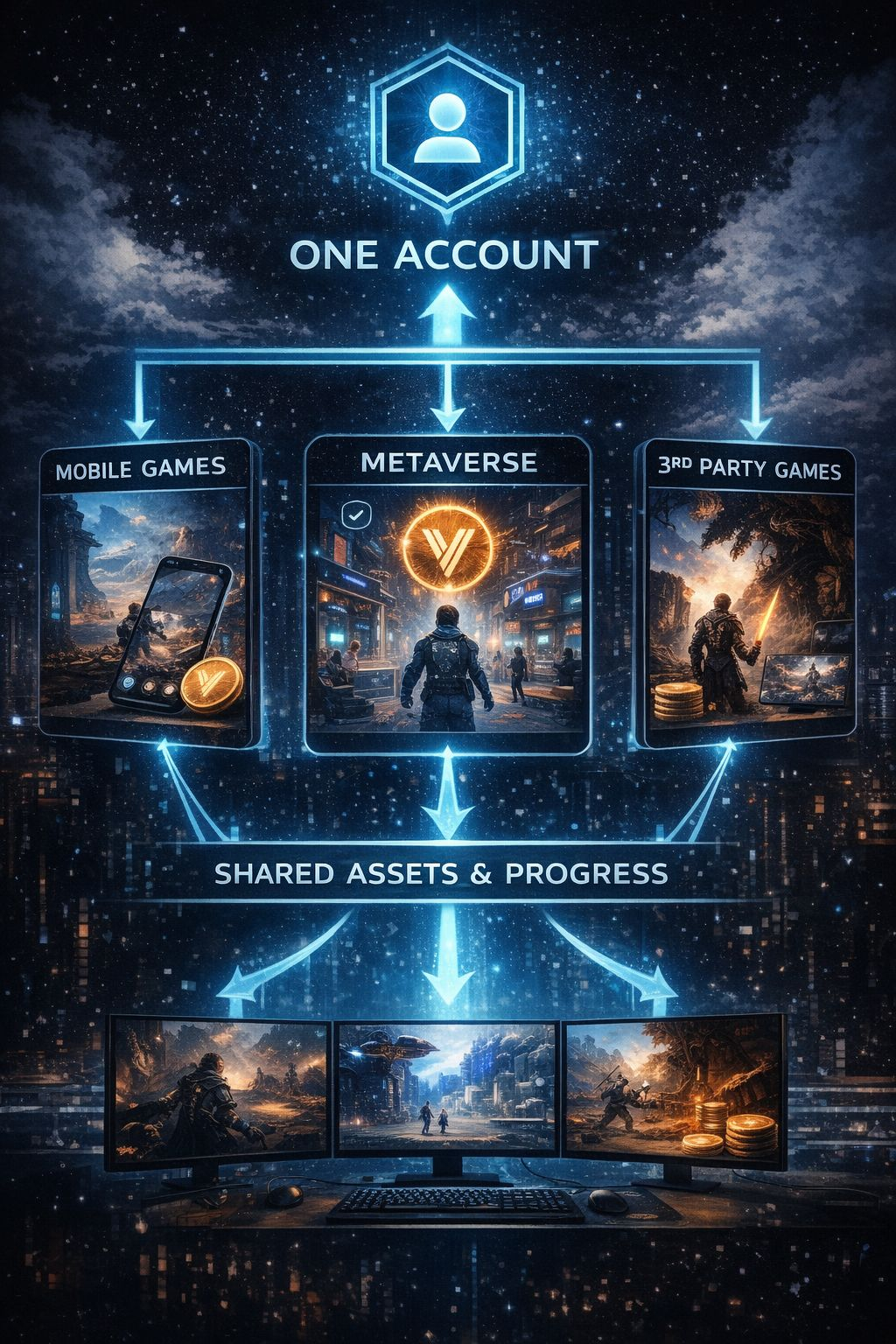
6. Unified Identity: The Loyalty Engine
Vanar’s Unified Identity System is strategically underappreciated.
One account across:
• Mobile games
• Web games
• Metaverse
• Third-party integrations
Progression persists.
Achievements persist.
Status persists.
That is digital continuity.
Most games reset your economic life every time you switch environments.
Vanar attempts to make your digital identity portable.
That’s not about speculation.
That’s about long-term player loyalty.
7. Partnerships: Distribution, Not Optics
Viva Games Studios → 700M+ downloads
Legendary, Paramount, Williams Racing → mainstream IP
Brinc Gaming accelerator → founder pipeline
KAP Games → distribution & analytics layer
These aren’t just logos.
They solve distribution risk.
Blockchain gaming historically fails because:
Infrastructure exists.
Distribution doesn’t.
Vanar integrates both.
8. Network Performance and Real Metrics
By early 2026:
• 9M+ average daily transactions
• 15M+ users across VGN
• 280% increase in VANRY burned
Burn growth indicates usage intensity, not just token velocity.
Transaction volume at that scale suggests real consumer throughput — not purely DeFi churn.
If those numbers sustain, Vanar is functioning as:
A high-frequency consumer chain.
That is materially different from speculative L1 traffic.
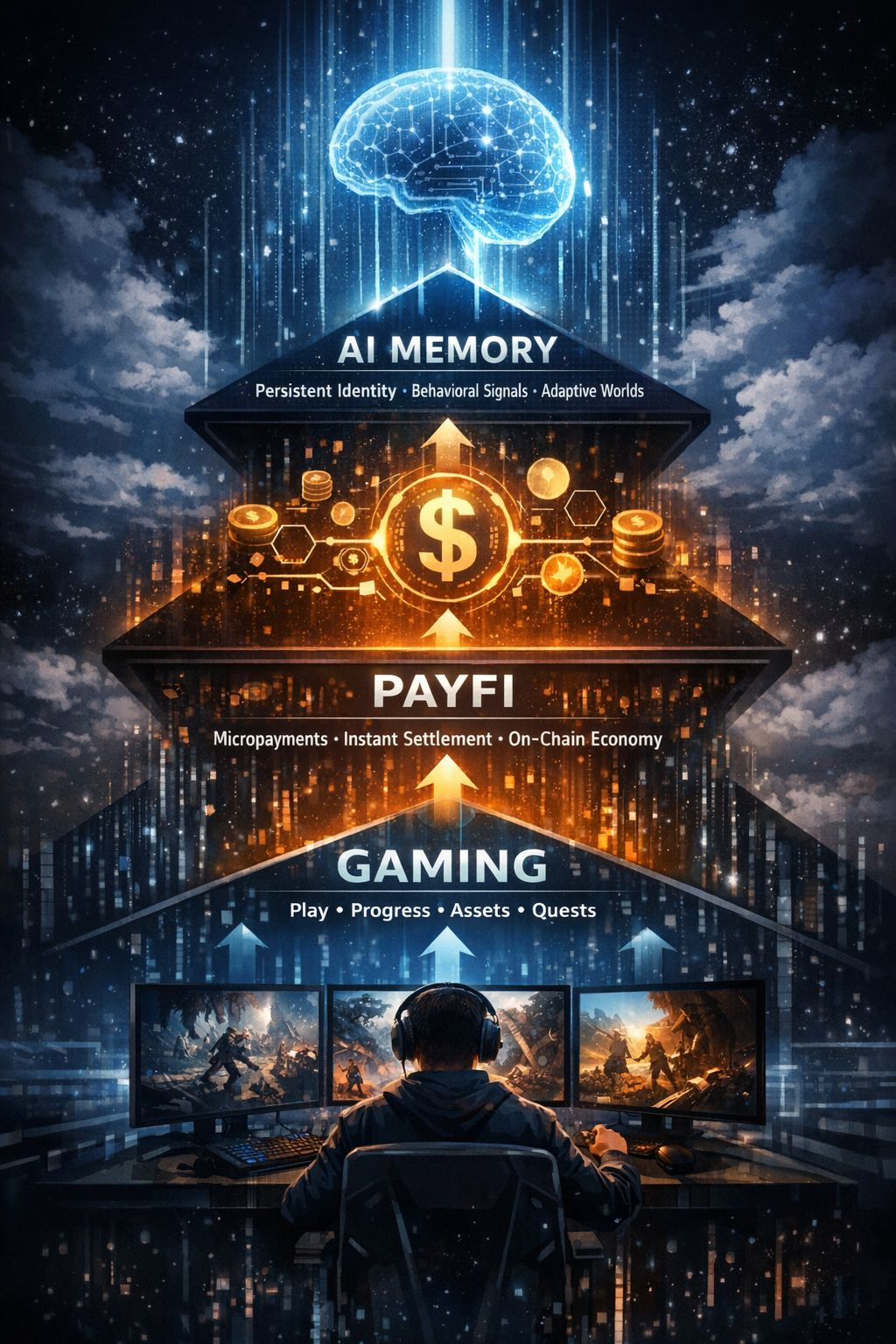
9. The Economic Design: Extractive vs. Loyalty-Based
Most crypto economies are extractive:
Early users farm.
Late users exit-liquidity.
Gaming cannot survive that structure.
Vanar’s model appears closer to:
• Infrastructure subsidizes friction
• Players engage for utility
• Token integrates into experience, not vice versa
That aligns more with:
Fortnite economics
Roblox creator ecosystems
Mobile game monetization loops
Rather than DeFi yield cycles.

10. The Larger Thesis
Vanar is making a specific bet:
Mainstream blockchain adoption will not come from financial maximalists.
It will come from environments where:
• Payments are invisible
• Ownership is natural
• Identity persists
• Infrastructure absorbs complexity
In visual terms:
User Experience
[██████████]
Blockchain Awareness
[ ]
Network Load
[██████████]
If they execute, players won’t say:
“I’m using blockchain.”
They’ll say:
“This world remembers me.”
And that is the difference between monetization and loyalty.