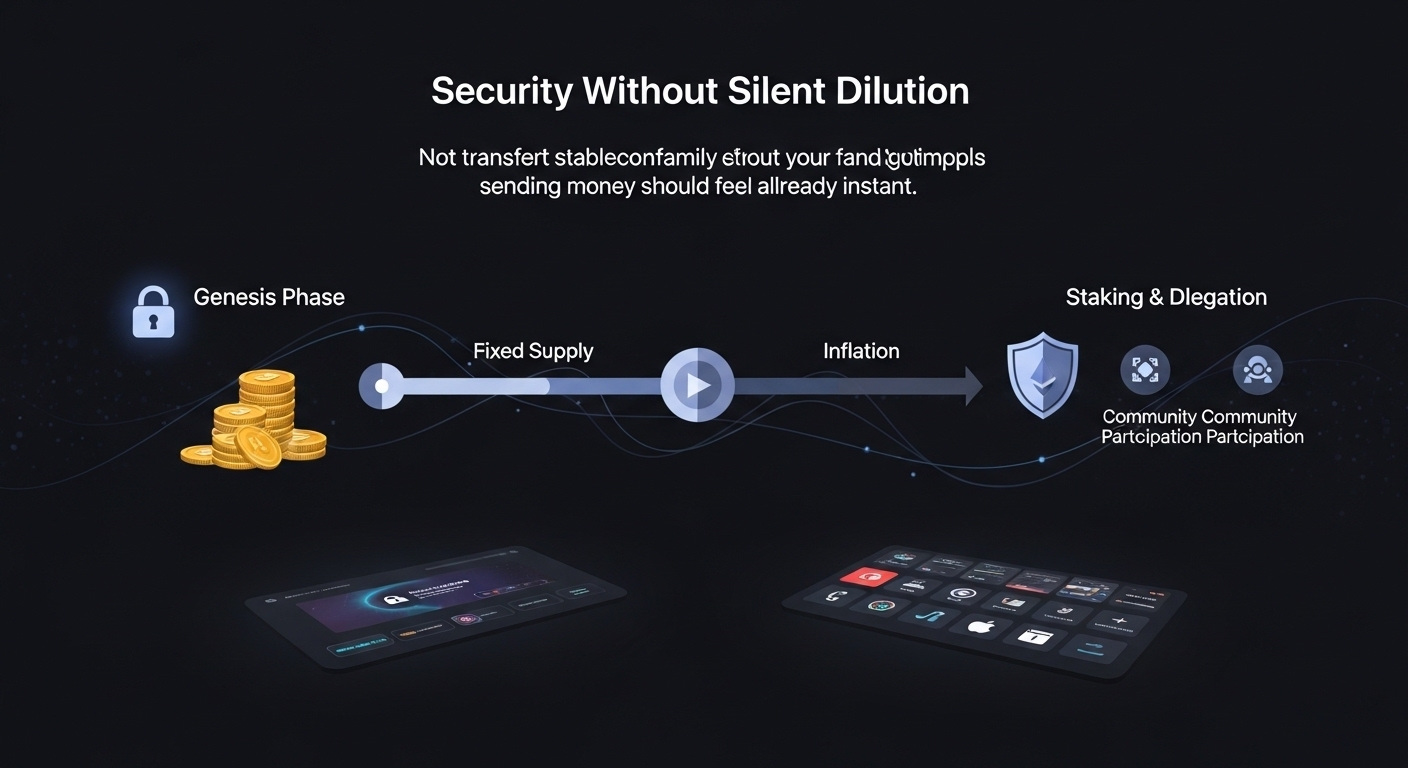
A few months ago I helped someone send stablecoins to their family abroad. The transfer itself was quick, but the experience still felt a little technical switching networks, checking fees, and waiting for confirmation. It worked, but it didn’t feel as simple as sending money should feel in a world where digital payments are already instant.
That gap between speed and simplicity is something many blockchain users quietly notice. Stablecoins have become one of the most practical uses of crypto, especially for remittances and cross-border payments, yet the infrastructure behind them often wasn’t built specifically for payments. Managing gas tokens, unpredictable fees, and settlement delays can make something simple feel complicated.
Plasma is built around a different idea: what if stablecoin payments had infrastructure designed just for them? Instead of trying to support everything from NFTs to gaming, Plasma focuses on becoming settlement infrastructure for digital dollars. The network is a Layer-1 blockchain purpose-built for stablecoin transfers, aiming to make moving money feel predictable and effortless. Plasma
At the technical level, Plasma uses a consensus system called PlasmaBFT that allows transactions to confirm very quickly, helping payments feel closer to real-time settlement. The network is designed to process large volumes of stablecoin transfers efficiently, which is important when payments infrastructure needs to work at global scale. Plasma
Another part of the design focuses on developers. Plasma runs with full EVM compatibility, meaning applications built for Ethereum can work on the network using familiar tools. This makes it easier for teams to build wallets, payment apps, and financial services without learning a completely new system. ([Plasma]
One of the most noticeable ideas behind Plasma is gasless USDT transfers. Users can send stablecoins without holding a separate token for transaction fees, which removes one of the most confusing parts of blockchain payments. By allowing stablecoins themselves to be used for fees, the experience becomes closer to traditional digital payments. ([Plasma]
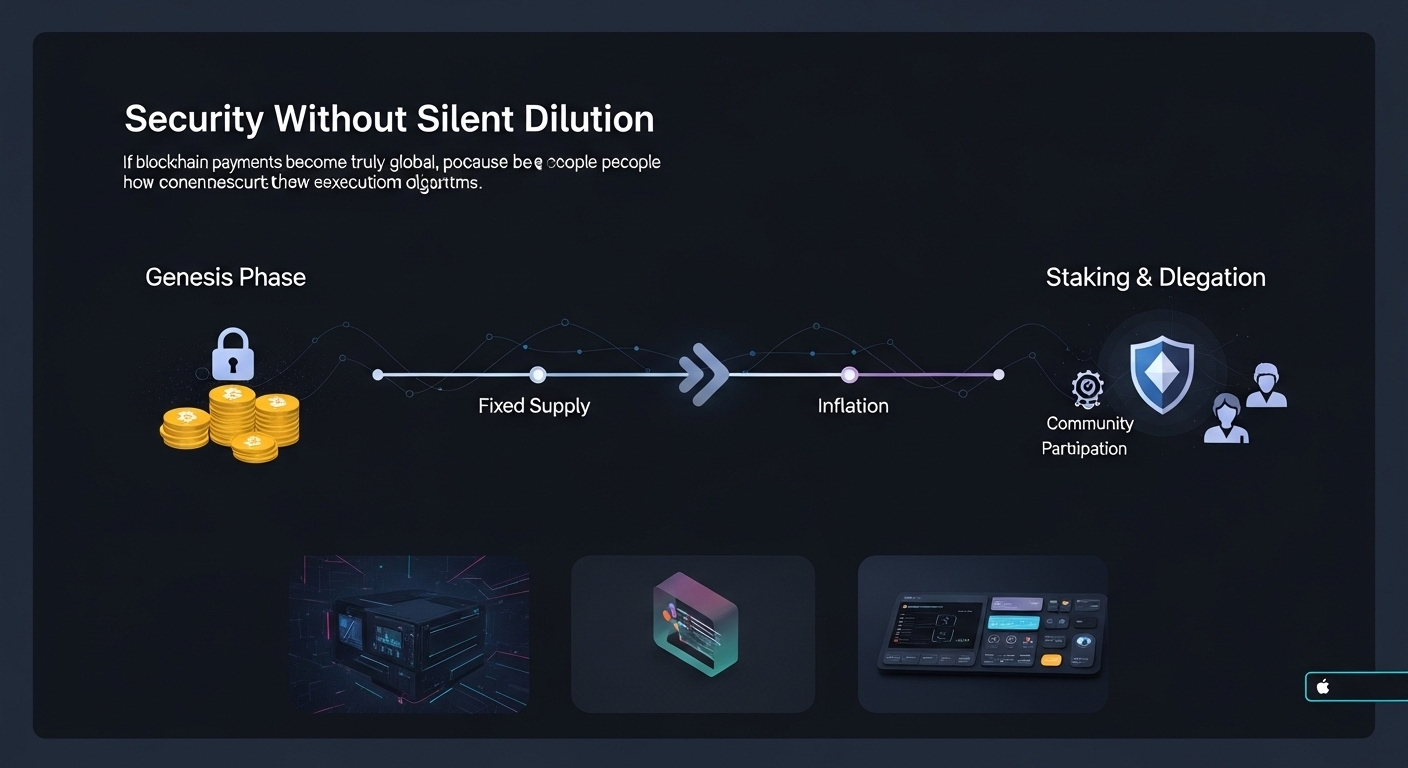
The project reached an important milestone in September 2025 when its mainnet beta launched with more than $2 billion in stablecoin liquidity and integrations across over a hundred DeFi partners. That early liquidity gave the network immediate utility instead of starting from zero. ([CoinDesk]
Since then, the ecosystem has continued to grow. In early 2026, Plasma integrated with NEAR Intents to improve cross-chain liquidity and stablecoin settlement across multiple networks, showing how the infrastructure is expanding beyond simple transfers.
It’s easy to imagine how this kind of infrastructure could matter in everyday situations. A freelancer in a country with an unstable currency could receive payment in stablecoins and use it immediately without waiting for banks or worrying about exchange-rate swings. Stablecoins already enable this, but networks like Plasma are trying to make the experience feel natural instead of technical.
Of course, infrastructure projects take time to mature. Payment systems depend on trust, liquidity, regulation, and developer adoption. Even if the technology works well, becoming part of daily financial life is a slower process.
From a personal perspective, stablecoins already feel like the most practical side of blockchain technology. They solve real problems sending value across borders quickly and reliably. But the experience still has small obstacles. Plasma feels like an attempt to remove those last layers of friction so the technology fades into the background.