
Let me start by saying this clearly. This is not just another partnership headline.

When I look at the announcement that Binance and Franklin Templeton are launching an institutional collateral program, I do not see marketing. I see infrastructure shifting. I see the boundary between traditional finance and crypto markets becoming thinner in a way that is operational, not symbolic.
For years, the conversation around crypto adoption has focused on price cycles, ETF approvals, and regulatory narratives. But the real integration has always been about plumbing. It has been about custody, collateral, settlement, and capital efficiency. This development sits directly in that plumbing layer.
And that is why it matters.
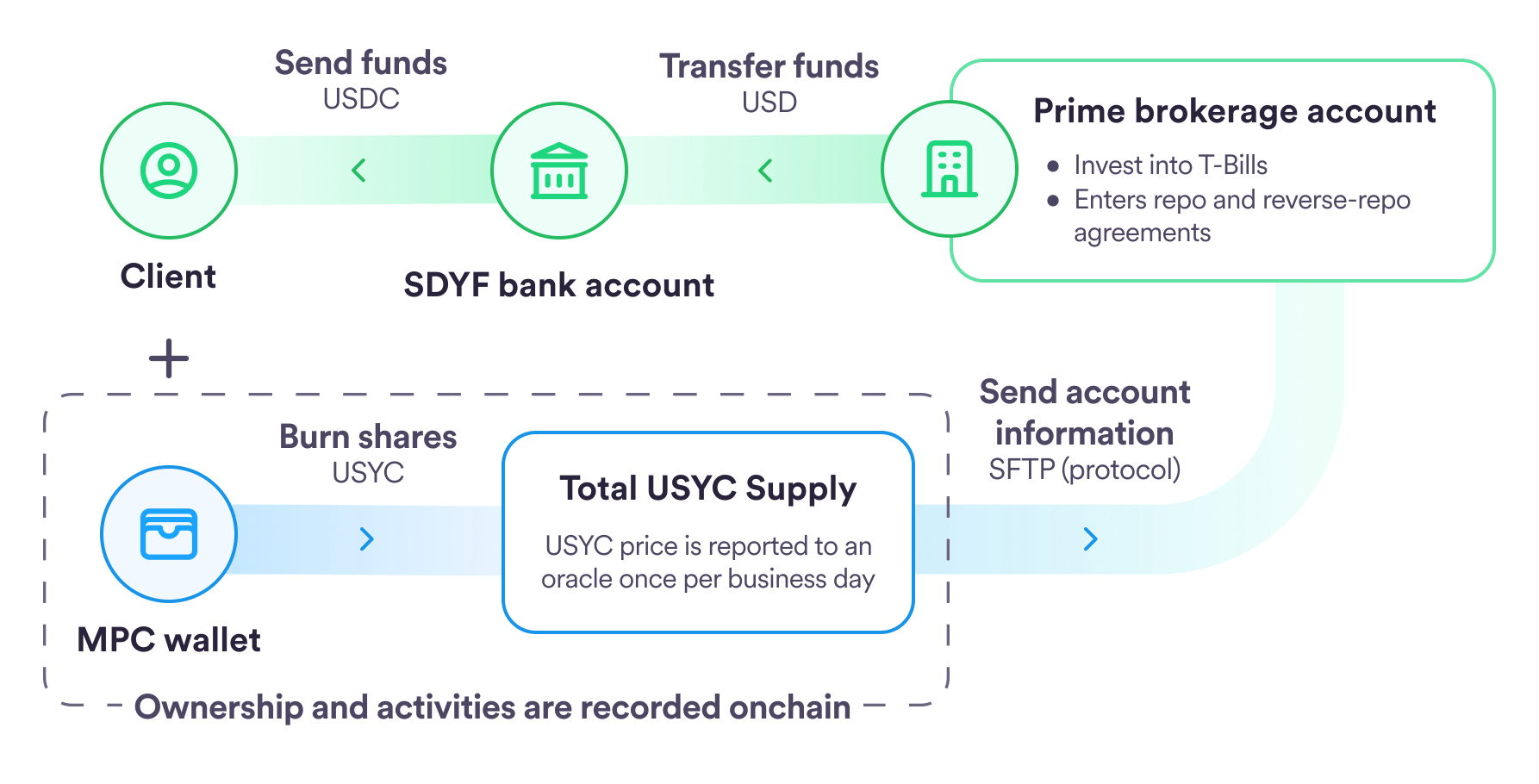
When I think about what this institutional collateral program actually does, I reduce it to something simple. It allows institutions to use tokenized money market fund shares, managed by a traditional asset manager like Franklin Templeton, as trading collateral on Binance. Not by transferring them fully onto the exchange in the old sense, but through an off exchange structure.
That phrase matters. Of exchange collateral.
In practical terms, this means institutions do not need to park all of their capital directly inside an exchange account to access liquidity. Instead, eligible assets can be custodied separately and still serve as margin or collateral for trading activity.
For an institutional desk, that changes the conversation entirely.
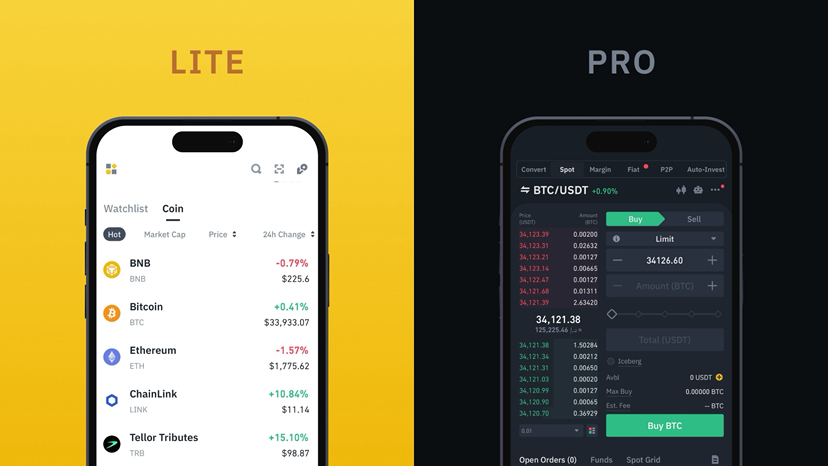
Traditionally, if you wanted to trade actively on an exchange, you had to hold significant idle balances there. That creates counterparty exposure. It concentrates operational risk. And for large funds with strict risk mandates, that is uncomfortable.
By allowing tokenized money market fund shares to serve as collateral, capital becomes more efficient. Instead of holding cash in one place and securities in another, institutions can deploy yield-generating instruments while still maintaining trading flexibility.
That is not cosmetic innovation. That is balance sheet optimization.

Money market funds are conservative, highly liquid instruments. When tokenized and structured properly, they become programmable collateral. They can sit within a custody framework aligned with institutional standards while interacting with crypto trading infrastructure.
This reduces counterparty risk in two ways.
First, asset custody separation lowers the concentration of exposure. Institutions are not forced to leave all assets directly on an exchange ledger. Second, the presence of high quality collateral improves the stability of margin systems and liquidation frameworks.
Institutions care deeply about custody segregation. They operate under compliance regimes where asset location, reporting clarity, and legal structure are not secondary concerns. They are core mandates.
So when an exchange supports off-exchange collateral in coordination with a global asset manager, it signals something specific. It signals that crypto trading infrastructure is adapting to institutional risk frameworks, not the other way around.
This is what a maturing market looks like.
The relationship between traditional asset managers and digital asset exchanges has evolved gradually. At first, it was observational. Then it became exploratory. Now it is operational.
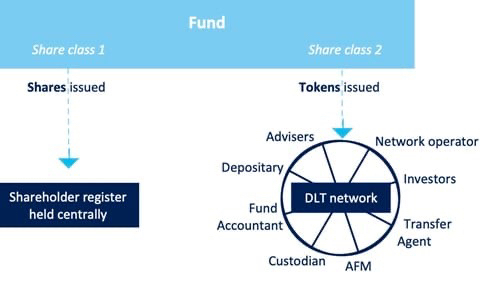
Franklin Templeton represents traditional capital stewardship. Binance represents digital asset liquidity infrastructure. When those two layers connect through collateral frameworks, we are no longer talking about narrative alignment. We are talking about balance sheet interoperability.
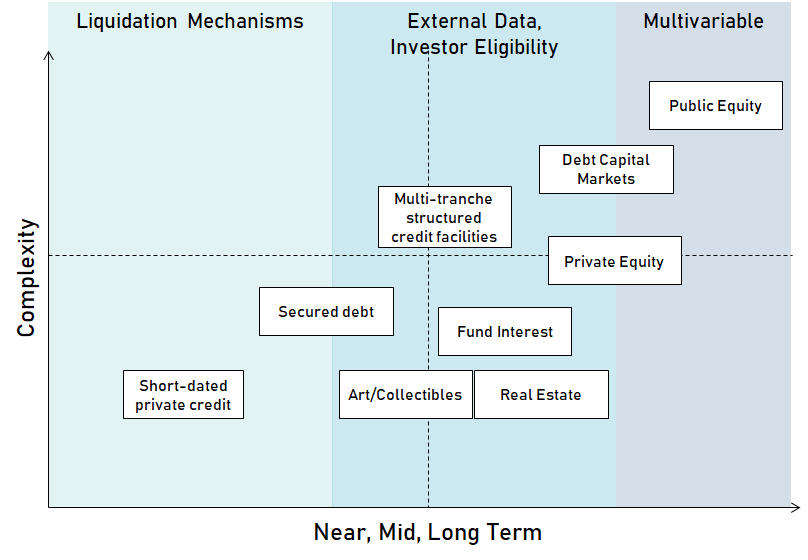
That interoperability is the bridge between traditional finance liquidity and crypto market infrastructure.
It also reflects growing institutional confidence. Institutions do not engage deeply unless risk parameters are addressed structurally. They require clarity on collateral valuation, legal enforceability, settlement mechanics, and custody oversight.
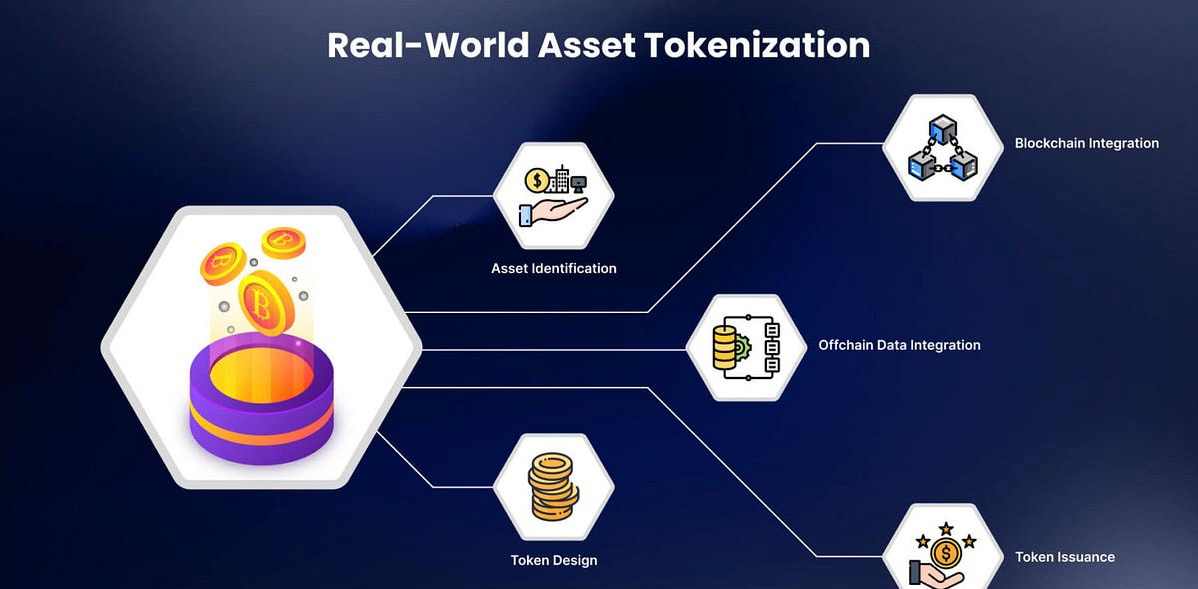
The fact that tokenized real-world assets, specifically money market fund shares, are being integrated into exchange collateral frameworks signals evolution in the RWA narrative. Tokenization is moving beyond experimentation and into utility.
Capital efficiency is often underappreciated in public discussions about crypto adoption. But for large funds, efficiency drives allocation decisions. If capital can generate yield while simultaneously supporting trading activity, that improves internal return metrics without increasing gross exposure.
That matters.
Operational flexibility also improves. Large funds can manage liquidity dynamically, adjusting positions without fully unwinding conservative asset allocations. Instead of viewing crypto exposure as isolated from traditional balance sheets, institutions can integrate it into broader treasury strategies.
That is a meaningful shift.
I also believe this structure may influence other exchanges and asset managers. Once one framework demonstrates viability, competitive pressure encourages replication. Exchanges will increasingly compete not only on fees and liquidity, but on collateral sophistication and custody architecture.
Asset managers, in turn, will look for ways to extend their products into programmable environments. Tokenized RWAs are not interesting because they are digital. They are interesting because they can be embedded into trading and settlement systems.
The convergence of traditional finance rails and crypto rails will not happen through slogans. It will happen through collateral agreements, settlement APIs, and custody integration.
Infrastructure always moves quietly at first.
When I zoom out, I see this development as part of a broader pattern. Crypto exchanges are repositioning themselves as institutional-grade infrastructure providers. Not just trading venues, but liquidity platforms compatible with global capital standards.
That positioning requires discipline. It requires regulatory engagement, risk modeling, and systems integration. It requires thinking like a financial market operator, not just a tech platform.
The future of tokenized real world assets will likely depend on this kind of integration. Yield bearing instruments that can circulate inside digital market infrastructure without compromising custody standards represent a powerful hybrid model.
Traditional finance is not being replaced. It is being extended.
Crypto rails are not isolated. They are becoming interoperable.
And in that convergence, infrastructure matters more than narrative cycles. The market may focus on price movements in the short term, but structural improvements determine whether capital stays long enough to matter.
To me, this announcement represents quiet infrastructure evolution. It does not produce immediate volatility. It does not guarantee new inflows tomorrow. But it shifts the architecture of participation.
Those shifts tend to compound over time.
And in financial markets, the quiet architectural changes are often the ones that matter the most.
And of course don’t forget to follow me @MIND FLARE
#Square #squarecreator #Binance #writetoearn

