


In a major development aimed at strengthening the connection between traditional finance and digital assets, Binance has teamed up with global asset manager Franklin Templeton to launch an institutional off-exchange collateral program. Revealed on February 11, 2026, the initiative enables qualified institutional clients to use tokenized money market fund shares as trading collateral on Binance without moving those assets onto the exchange.
The structure improves capital efficiency while enhancing asset security and operational flexibility for institutions active in crypto markets.
Details of the Partnership and Program
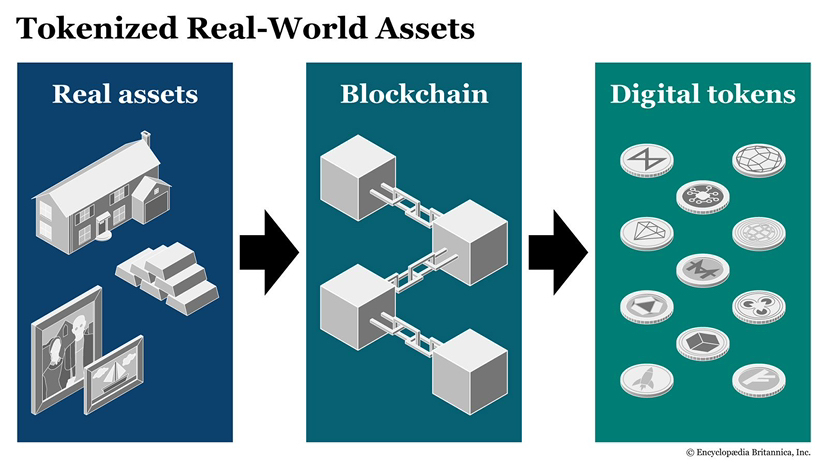
The initiative is powered by Franklin Templeton’s Benji Technology Platform, a proprietary blockchain-based infrastructure that tokenizes shares of money market funds. At its core is the Franklin OnChain U.S. Government Money Fund (FOBXX), a U.S.-registered mutual fund with approximately $420 million in assets under management, which utilizes blockchain as its official system of record for transactions and ownership. Each share of the fund is represented by a BENJI token, allowing seamless digital representation and transferability.
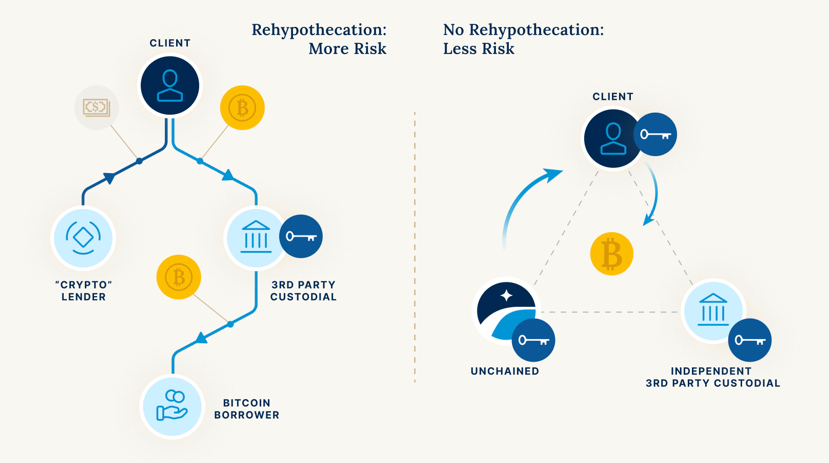
Under the program, tokenized money market fund shares function as off-exchange collateral, with their value mirrored within Binance’s trading environment. The underlying assets remain securely held in regulated third-party custody through Ceffu, Binance’s institutional custody partner, significantly reducing counterparty exposure.
This structure enables institutions to pledge regulated, yield-generating assets such as U.S. government money market funds to support crypto trading strategies, addressing long-standing concerns about placing traditional capital directly on exchanges.
Eligible participants can fund investments using USDC and transfer tokenized shares peer-to-peer across public blockchains. Future developments may include expanded secondary market functionality and greater collateral flexibility. The program marks the first major product rollout stemming from the strategic collaboration between Binance and Franklin Templeton, originally announced in 2025 to develop institutional-grade digital asset solutions.
Benefits for Institutional Investors
The partnership delivers several key advantages:
• Enhanced Security and Risk Mitigation: Assets remain in regulated third-party custody rather than on exchange balance sheets, reducing exposure to operational risks.
• Capital Efficiency: Institutions can deploy yield-bearing tokenized assets as collateral without liquidating positions, preserving exposure across both traditional and digital markets.
• TradFi and Crypto Integration: Tokenized money market funds serve as a bridge between conventional financial systems and blockchain-based infrastructure, enabling features such as peer-to-peer transfers and network interoperability.
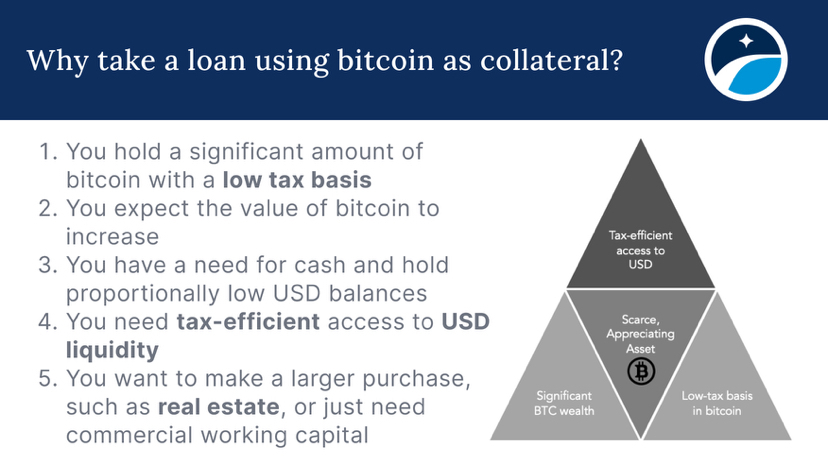
• Liquidity and Tax Efficiency: Similar in structure to bitcoin-backed financing strategies, the framework provides access to USD liquidity while maintaining positions in appreciating or income-generating assets.
As one market observer summarized, tokenized money market funds can now back crypto positions, bringing yield-bearing Treasuries onto the same rails as digital asset leverage.
Background on the Partners
Franklin Templeton, established in 1947, manages more than $1.6 trillion in assets under management and has been a pioneer in tokenized investment products. Its Benji platform, launched in 2021, has expanded across multiple blockchain networks, offering enhanced utility and near real-time settlement capabilities.

Binance, founded in 2017, remains the dominant global cryptocurrency exchange by trading volume. Through initiatives like this, the exchange continues to expand its institutional infrastructure, prioritizing security, compliance, and capital efficiency.
Industry Implications and Reactions
The launch reflects growing institutional adoption of tokenized real-world assets and signals a structural shift in how collateral can move across financial systems. By enabling regulated money market funds to operate within blockchain-based trading environments, the partnership advances the vision of continuous, borderless collateralization.
Industry reactions have been largely positive, with commentators highlighting the accelerating convergence between Wall Street infrastructure and Web3 innovation.
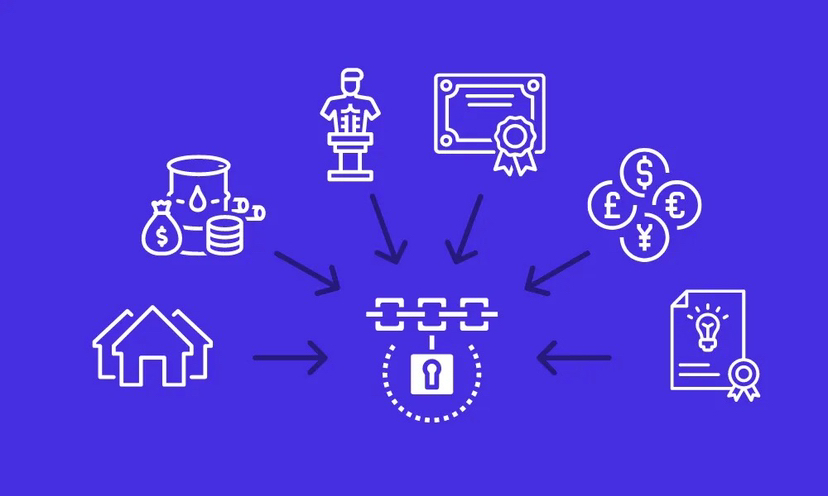
Analysts suggest the framework could eventually extend to additional asset classes, including tokenized real estate, fixed income instruments, or commodities, contributing to a more interconnected and programmable financial ecosystem.
Looking Ahead
As digital asset markets continue to mature, partnerships between leading crypto platforms and established asset managers are likely to expand. For institutional participants in regions where crypto adoption continues to grow, developments like this may provide new pathways for secure and efficient market participation.
By combining regulated traditional assets with blockchain-based trading infrastructure, Binance and Franklin Templeton are helping lay the foundation for a more integrated global financial system.

