


Bull markets don’t begin with excitement.
They begin with exhaustion.
The media isn’t covering crypto. Engagement is low. Volume is thin. Every rally gets sold. Influencers have pivoted to other industries. Even long-term holders stop posting.
That’s the real starting point.
Not when price breaks resistance.
Not when Twitter gets loud.
Not when YouTube thumbnails turn neon again.
It starts when nobody cares anymore.
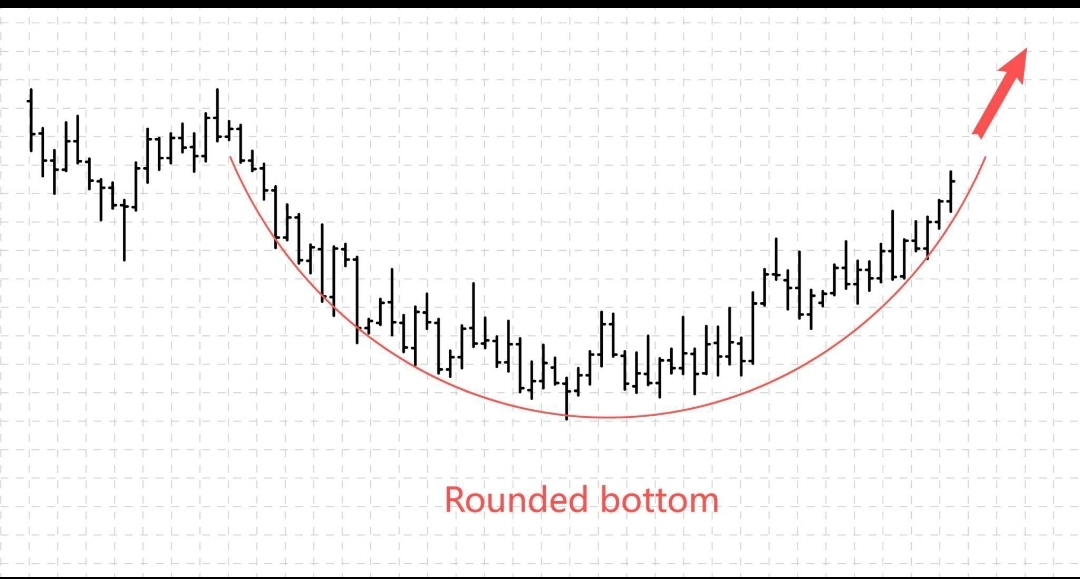
After a deep bear phase, something subtle happens. Volatility compresses. Selling pressure weakens. The aggressive panic that once pushed price down slowly fades.
Not because everyone turned bullish.
But because everyone who wanted to sell… already did.
That shift is invisible to most people.
Early accumulation looks boring. It looks like dead price action. Small ranges. Fake breakdowns. Failed breakouts. Just noise.
But underneath that noise, positioning changes hands.
Stronger capital doesn’t need momentum. It needs value. It scales in slowly. Quietly. Without urgency.
Retail waits for confirmation.
Smart money waits for apathy.
You’ll usually see the first real signal not in price — but in reaction.
Price will dip hard, and instead of cascading lower, it snaps back quickly. Then it does it again. And again.
Sellers get less follow through.
That’s not hype.
That’s absorption.
Another interesting thing about early bull phases is disbelief rallies.
Price starts trending up, but sentiment stays negative. Every move higher is called a relief bounce. Analysts predict lower lows. People say “I’ll buy when it comes back down.”
It doesn’t.
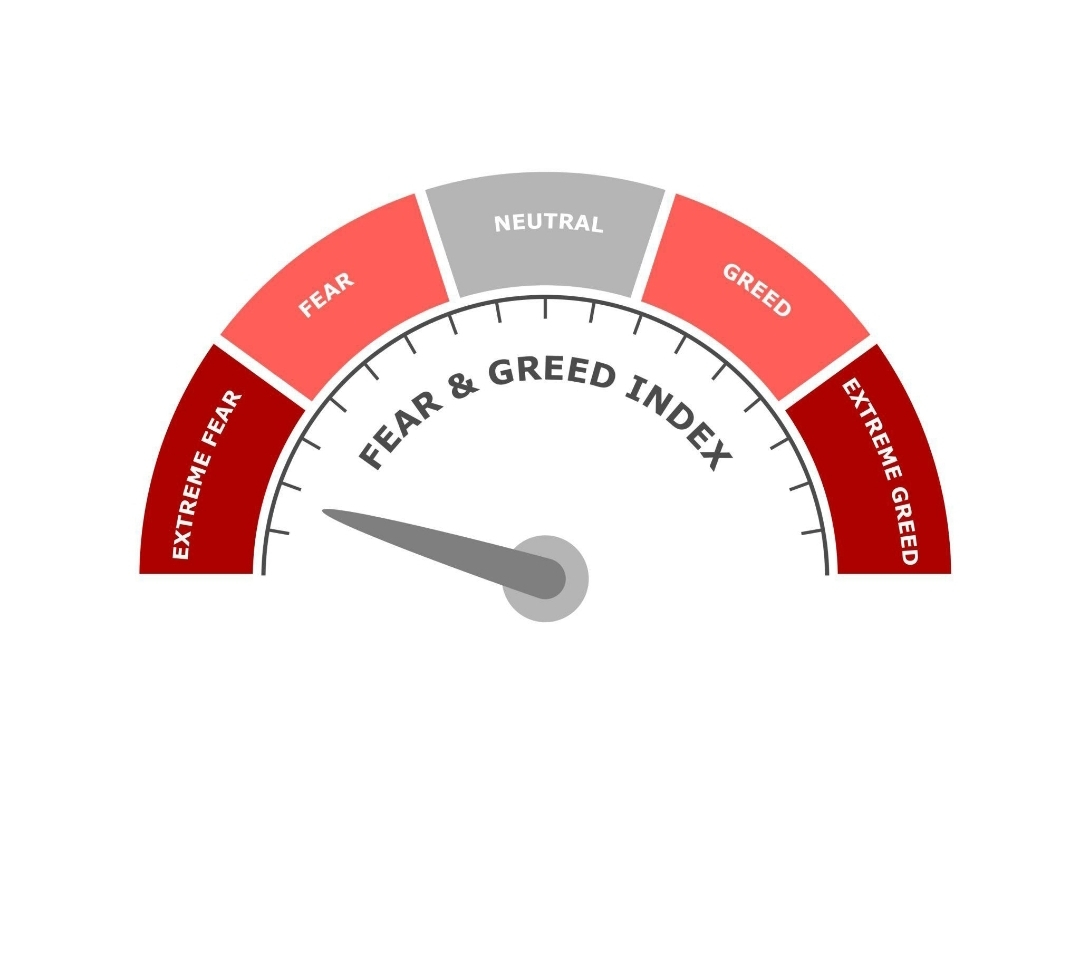
The market climbs a wall of skepticism.
Funding remains neutral. Retail leverage stays low. There’s no mania yet. Just gradual structure improvement. Higher lows form quietly. Resistance flips without drama.
The irony is that the cleanest risk-reward entries exist during this disbelief phase.
Because risk is defined.
Because upside is asymmetrical.
Because expectations are low.
But emotionally, it feels wrong.
Buying after months of decline feels uncomfortable. There’s trauma from previous losses. Trust in the market is damaged. That’s why early bull markets feel unsafe even when they’re structurally healthy.
Then comes the transition.
Eventually, price moves far enough that doubt starts fading. Media slowly returns. Narratives rebuild. Old themes get recycled with new branding. Volume increases.
That’s when the easy part is already done.
The real edge in crypto isn’t predicting the exact bottom.
It’s recognizing when behavior changes.
When dips stop collapsing.
When breakouts start holding.
When bad news stops pushing price lower.
Markets turn before sentiment does.
By the time optimism returns, positioning is already advanced.
That’s why most people feel like bull markets “happen suddenly.”
They don’t.
They build quietly while attention is elsewhere.
The uncomfortable truth is this:
If it feels obvious, you’re probably late.
If it feels uncomfortable but structured, you’re probably early.
Every major expansion phase in crypto history started the same way — with boredom, disbelief, and silence.
The loud part comes later.
And by then, risk is no longer cheap.
