
Bitcoin is a decentralized digital currency launched in 2009 by Satoshi Nakamoto. It allows people to send and receive money globally without banks or intermediaries. Transactions are recorded on a public blockchain and secured by cryptography.
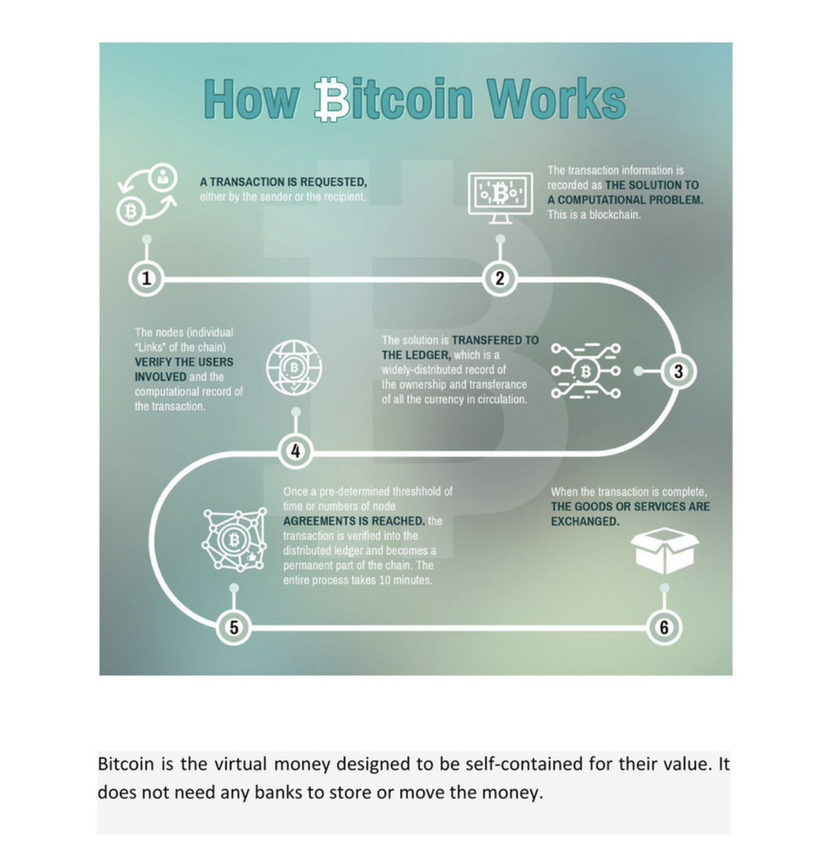
How It Works:
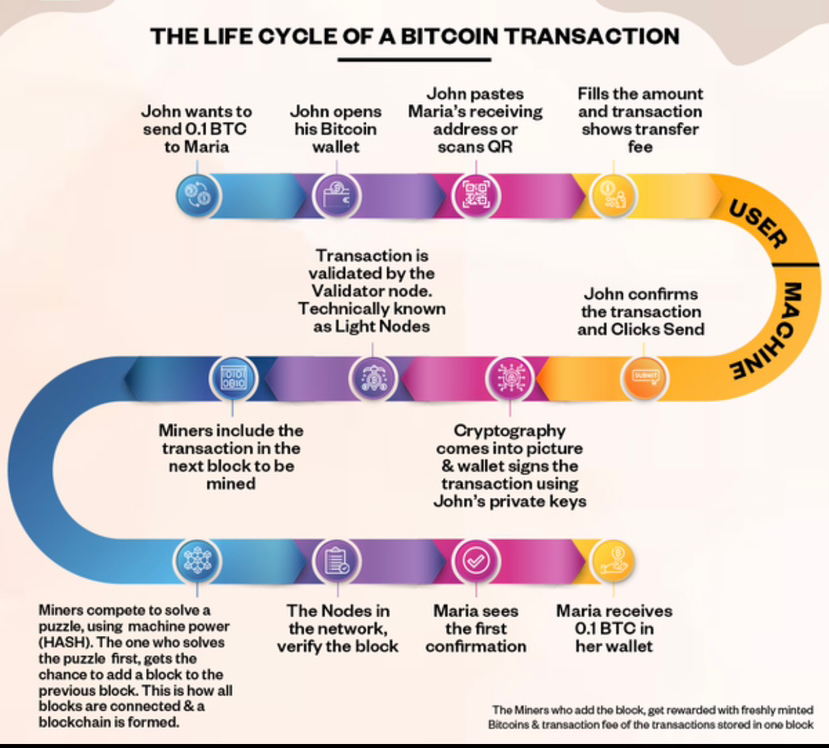
user sends Bitcoin from a digital wallet.
The transaction is broadcast to a peer-to-peer network.
Miners verify it using computational power.
The verified transaction is added to a block.
The block is permanently recorded on the blockchain.
No central authority controls the system.
Supply and Halving:
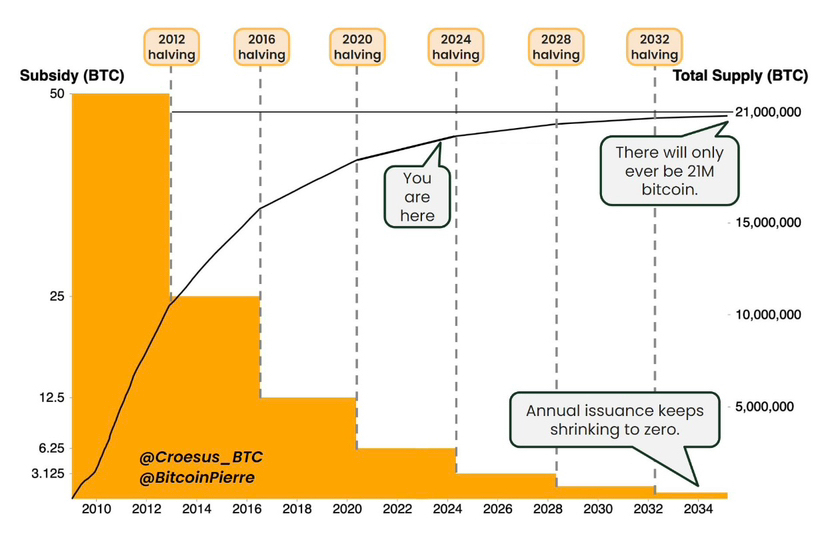
Bitcoin’s supply is predictable
New coins are created through mining.
Every four years, mining rewards are cut in half.
This process continues until the 21 million cap is reached.
This built-in scarcity is often compared to precious metals.
Price Growth and Volatility
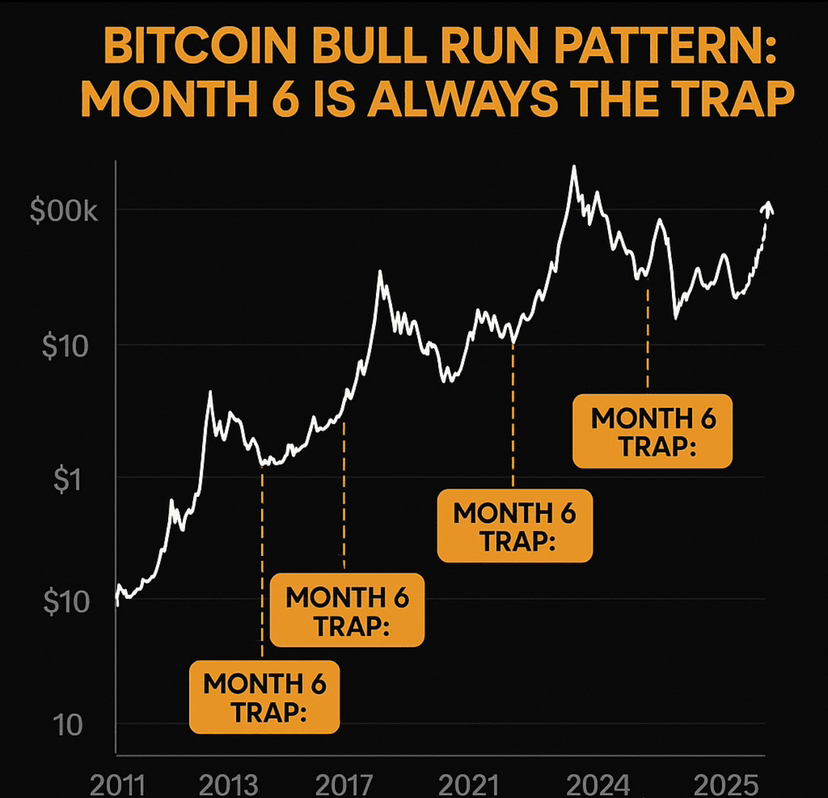
Since 2009, Bitcoin has experienced major price cycles:
Early adoption phase with minimal value
Rapid growth periods
Sharp corrections
Renewed long-term upward trends
Its volatility remains one of its defining characteristics.
Why Bitcoin Matters
Introduced decentralized finance
Challenged traditional banking systems
Inspired thousands of other cryptocurrencies
Influenced global discussions on digital money
Final Take
Bitcoin is more than a currency. It is a technological and financial breakthrough that reshaped how value can be stored and transferred in the digital age. Whether viewed as digital gold, a payment system, or an investment asset, its impact is undeniable.
