
One of the most expensive lessons I learned as a trader was confusing real breakouts with fakeouts. Early on, I treated every move above resistance or below support like the move, only to get trapped, stopped out, and watch price reverse without me. Over time, it became clear: getting this distinction right is everything, whether you trade crypto, stocks, forex, or futures.
What Is a Real Breakout?
A real (true) breakout happens when price decisively moves beyond a key level, support, resistance, trendline, range high/low, or a pattern boundary and stays there. It reflects a genuine shift in supply and demand, where one side clearly takes control.
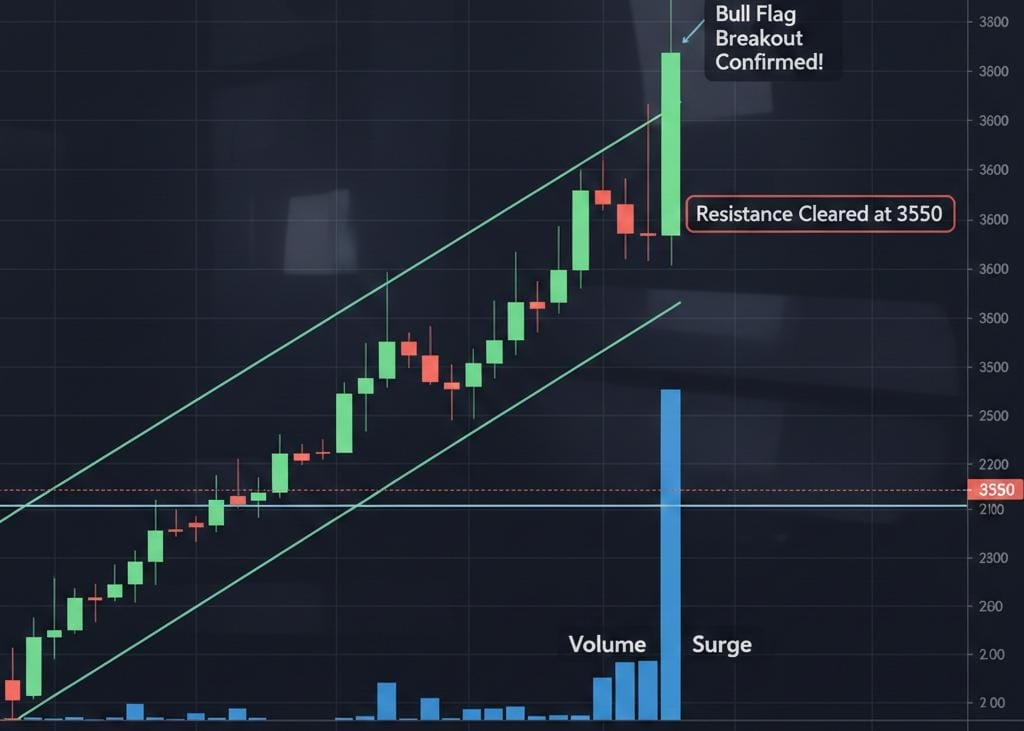
Real breakouts usually come with:
• Strong momentum
• Follow-through in the same direction
• Expanding volatility
When they work, they often lead to trend continuation or even a full reversal.
What Is a Fakeout (False Breakout)?
A fakeout is when price briefly pierces a key level, triggers stops and breakout entries, and then quickly reverses back into the range (or the opposite direction). There’s no real conviction behind the move.
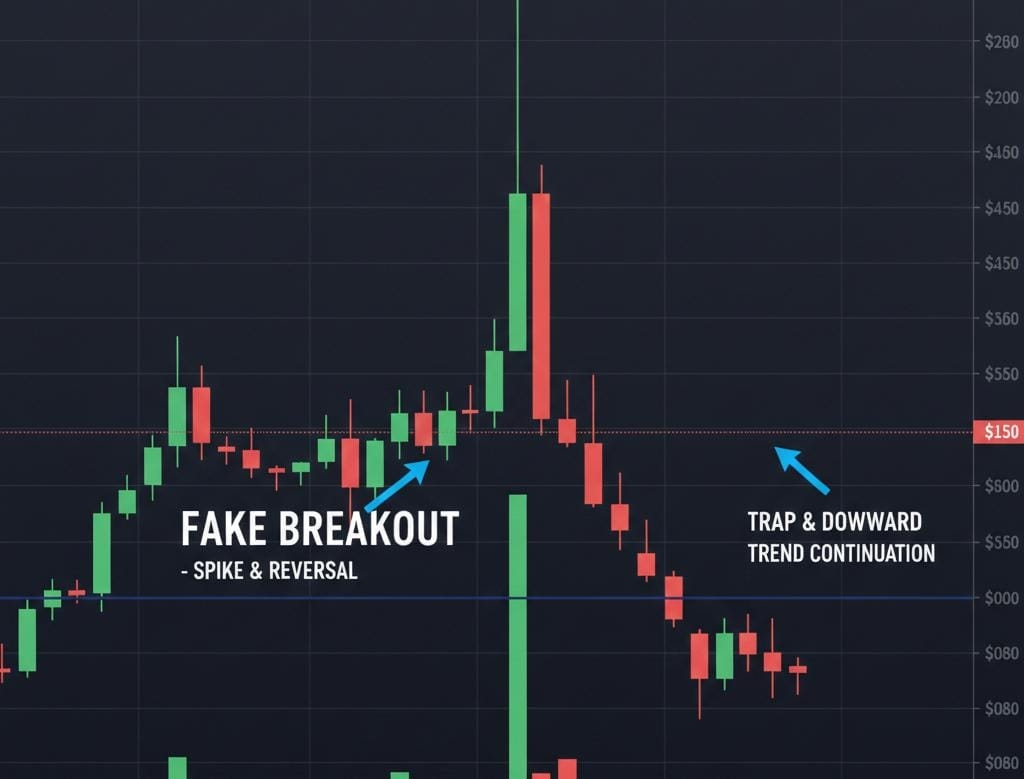
Fakeouts are common because:
• Markets hunt liquidity (stop-losses sit above resistance and below support)
• Large players fade weak, obvious moves
• Impatient traders enter too early
Personally, once I stopped seeing fakeouts as “bad luck” and started seeing them as how the market actually works, my trading improved a lot.
Real Breakout vs Fakeout - What Actually Matters
•Volume
Real breakout: Clear volume expansion (often well above average)
Fakeout: Flat or declining volume, no urgency
•Price Action
Real breakout: Strong candles, large bodies, small wicks, clean close beyond the level
Fakeout: Long wicks, indecision candles, rejection back inside the range
•Follow-Through
Real breakout: Continues moving in the breakout direction
Fakeout: Reverses quickly, sometimes within the same session
•Retest Behavior
Real breakout: Pulls back to retest the level and holds
Fakeout: Fails the retest or never holds above/below the level
•Market Context
Real breakout: Aligns with higher timeframe trend or a clear catalyst
Fakeout: Happens in choppy, low-volatility, or counter-trend conditions
How I Filter Breakouts in Practice
The biggest change for me was not entering on the first touch. I wait for confirmation.
Here’s my simple checklist:
• Volume: No spike = high fakeout risk
• Candle close: I want a strong close, not just a wick
• Retest: If it can’t hold the level, I’m not interested
• Context: Does this align with the higher timeframe or a real catalyst?
I also avoid obvious trap zones, tight ranges, round numbers, and low-liquidity periods because that’s where fakeouts thrive.
Trading Implications
• Aggressive traders: Enter on the breakout after strong volume and a clean close
• Conservative traders: Wait for the retest to hold (safer, cleaner entries)
• Fade traders: Intentionally trade fakeouts by fading weak breakouts with rejection and no volume
Over time, I realized that most losses didn’t come from bad analysis, they came from being early. The market loves to fake out the obvious move before the real one begins.
Patience, confirmation, and context are the edge. If you can master the difference between real breakouts and fakeouts, you eliminate a huge chunk of unnecessary losses and let the best trades actually run.