

Perhaps most investors feel that the past year has been a challenging journey as the market seemed to be stuck in the mud for twelve long months. However, in-depth analytical data tells a completely different story compared to the general perception of the crowd.
The reality shows that Bitcoin has maintained a positive growth trend for most of 2025, and the real difficulties only just began to emerge in the late part of the year. This creates an interesting context as traditional banks are increasingly concerned about their position in the face of the strong rise of digital assets.
The misconception about bear markets and signals from the data
We need to dispel a common misconception that is enveloping the current market psychology. While the general feeling is one of prolonged gloom, expert Julio Moreno from CryptoQuant has pointed out compelling evidence to refute that view.

Upon closely examining the on-chain data, he noticed that Bitcoin has actually broken its all-time highs and has continuously recorded green in most of 2025. Although data from leading CEXs like Binance indicates that trading volumes are trending downward, many experts assess that Q2 and Q3 2026 will be the time for a crypto market recovery.
Technically, it is a bull run year, and the chart only really turned dark in the final days of the year. According to this analysis, the market regime shift actually only occurred in early November 2025.
This brings a rather concerning perspective because it means we have not reached the end of the tunnel but have only just begun to enter the dark cave. This bear cycle is still very new, and investors need to prepare mentally for the upcoming volatility.
The covert war between banks and digital yields
While the market is struggling to determine the trend, another fierce battle is taking place in Washington. New bills like the CLARITY Act are becoming the center of debate, and many experts believe that this is a direct blow to the giants in the cryptocurrency industry.
The banking lobby is trying to portray digital currency leaders as villains and sees this industry as a threat to society.
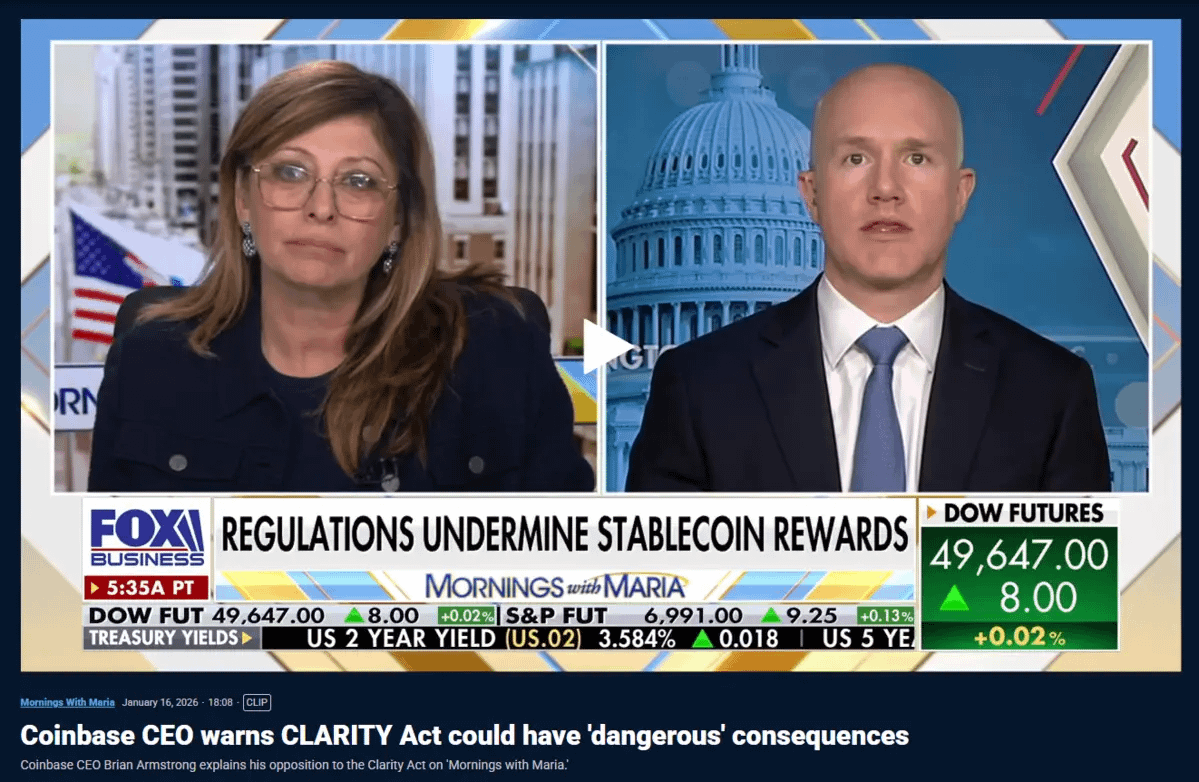
However, the reality is much simpler as banks are genuinely terrified of competition. While traditional bank accounts offer negligible interest rates, stablecoins are providing attractive yields of around 4 percent.
Banks understand that they cannot compete with those numbers, so they are looking for ways to use regulatory measures to eliminate competitors to protect their monopoly. This is essentially a battle of ideas where they want to keep people's money within outdated financial frameworks while cryptocurrencies are fighting for individual financial autonomy.
When economics textbooks become outdated
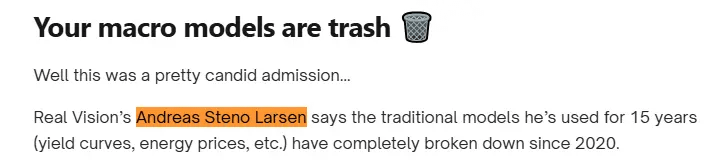
If you are trading based on the yield curve or energy prices, it may be time to reconsider your strategy. Indicators that were effective ten years ago have now broken down. Expert Andreas Steno Larsen recently acknowledged that the macro models he has been using for the past fifteen years have stopped working since 2020.
The root cause lies in the fact that the current economy is no longer operated by simple arithmetic but is strongly influenced by politics. We are living in an era where government decisions and geopolitical calculations impact the market more than the laws of supply and demand.
Forecasting far into six months has become impossible, and the only wise strategy right now is to focus on short-term analysis over the next two to three weeks.
The dead blockchains and the real value problem
In addition to macro factors, each person's portfolio also needs serious consideration. Yuval Rooz, CEO of Digital Asset Holdings, pointed out a significant flaw in the industry where the prices of many tokens have no mechanical relationship with the level of network usage. A blockchain may have no users at all, yet the token price can still soar due to pure speculation.
This is a dangerous game, and tokens will only be speculative instruments if they lack a specific programming method to capture value. The market needs models where network fees actually help to burn supply or lock in real value instead of just increasing price due to temporary emotions.
Bitcoin and identity crisis amid the storm
The market has just experienced sharp declines, causing many to question when this pain will end. Currently, Wall Street is treating cryptocurrencies like high-risk software stocks rather than digital gold. As tech stocks plummet, cryptocurrencies have also been dragged down mercilessly.
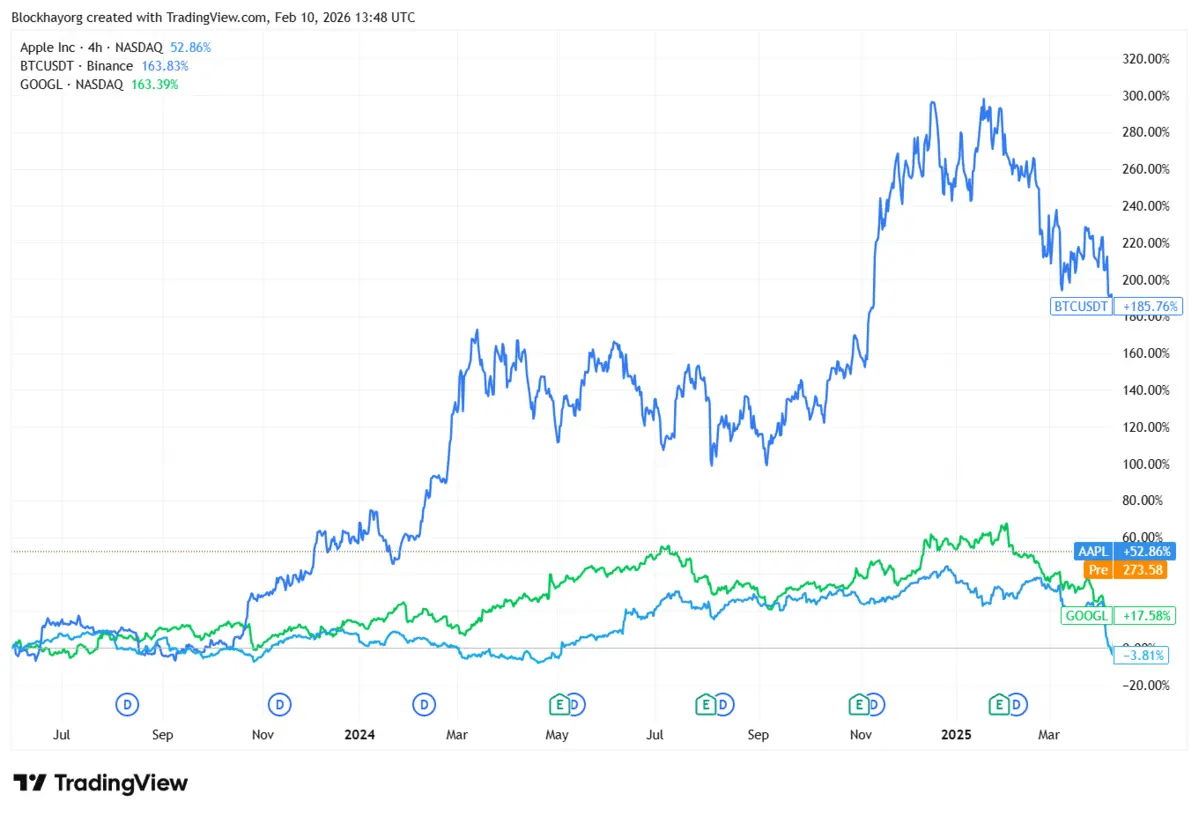
Still, there are glimmers of hope as Bitcoin is sitting on a solid historical support zone. The price range from $60,000 to $69,000 is serving as a strong defensive fortress.
History has shown that as soon as the price hits $60,000, buying pressure immediately appears and pushes the price back up. Although 2026 is forecasted to be volatile, as long as this defensive threshold is maintained, the bulls still have a chance to turn the tide.
#BTC #bearmarket
