

Fees are usually discussed as a cost problem. Too high, users complain. Too complex, users leave. But in systems that are used repeatedly especially for everyday financial activity fees play a much deeper role. They quietly shape how much people trust the system itself.
When users interact with a platform daily, they don’t analyze performance metrics or underlying architecture. They notice patterns. Are fees predictable? Do outcomes match expectations? Does the system behave the same today as it did yesterday? Over time, consistency matters more than optimization.
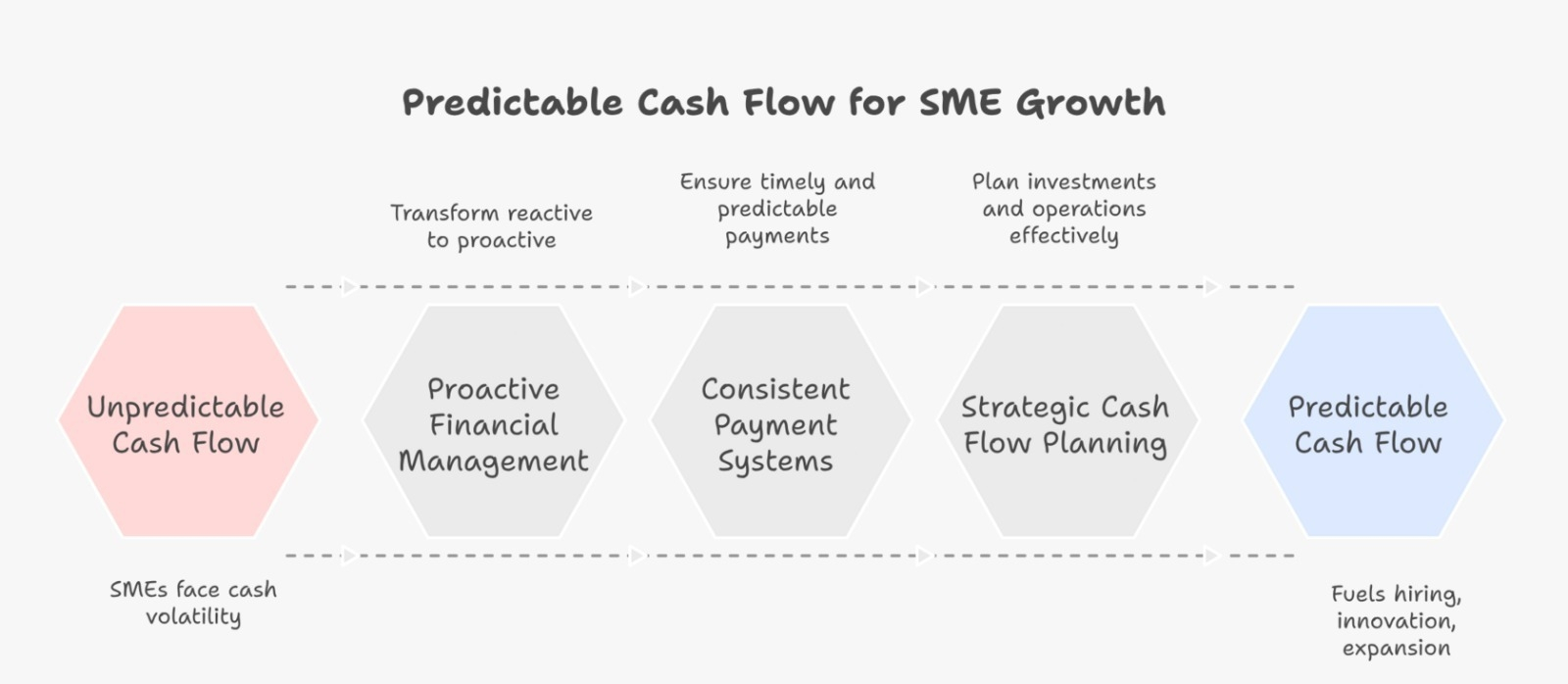
This is why fee design becomes a trust signal rather than just a pricing mechanism. Clear, stable fee behavior tells users that the system is not changing rules mid-action. It signals fairness. It reduces hesitation. Most importantly, it lowers the mental effort required to use the system correctly.
In high-adoption environments, this matters even more. Users are not experimenting they are relying. Every extra decision introduces friction and increases the chance of error. When fees vary unpredictably or require constant adjustment, users feel exposed. They may not articulate it but uncertainty translates into doubt.
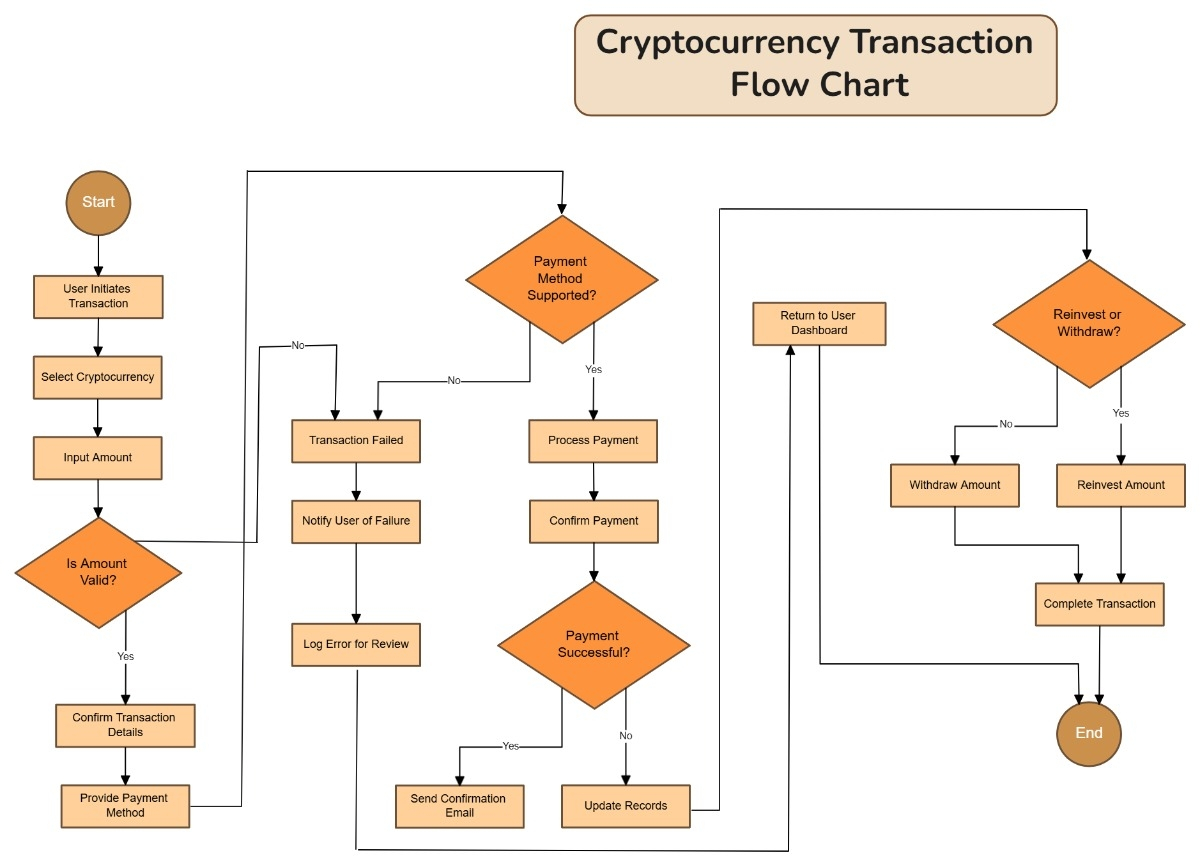
This perspective helps explain the design direction behind Plasma. By centering execution around stablecoins and abstracting fee complexity, the system removes unnecessary decisions from the user flow. The result isn’t just convenience it’s confidence. Users can act without second-guessing whether the system will behave differently this time.
Institutions respond to fee signals in a similar way, though at a different scale. Predictable fee structures simplify reconciliation, auditing and risk management. When costs are transparent and behavior is consistent, systems become easier to integrate into existing operations. Trust builds not because fees are low but because they are reliable.
What’s often overlooked is that trust isn’t created through explanation. Most users never read documentation. They learn through repetition. Each successful interaction reinforces the belief that the system will behave as expected next time. Fee design plays a central role in that learning loop.
In this sense, fees are not just an economic layer they are a behavioral one. They communicate how much the system respects the user’s time, attention and assumptions. When designed thoughtfully, fees disappear from focus, allowing the system itself to fade into the background.
And that’s usually the strongest signal of trust: when users stop thinking about the mechanism entirely and simply continue using it.

