

Most blockchains are designed by developers, for developers. They optimize for composability, experimentation, and internal crypto narratives then later try to “add adoption.” Vanar flips that logic entirely. Vanar is built with a consumer-first mindset, where real-world usage is not a future goal but the starting point.
From day one, Vanar positions itself as infrastructure meant to feel invisible to end users. The ambition is not to teach billions of people how blockchains work, but to build systems where users don’t need to care that a blockchain exists at all. This mindset is what separates hobbyist ecosystems from platforms capable of onboarding mass-market audiences.
Designed for Entertainment, Not Just Transactions
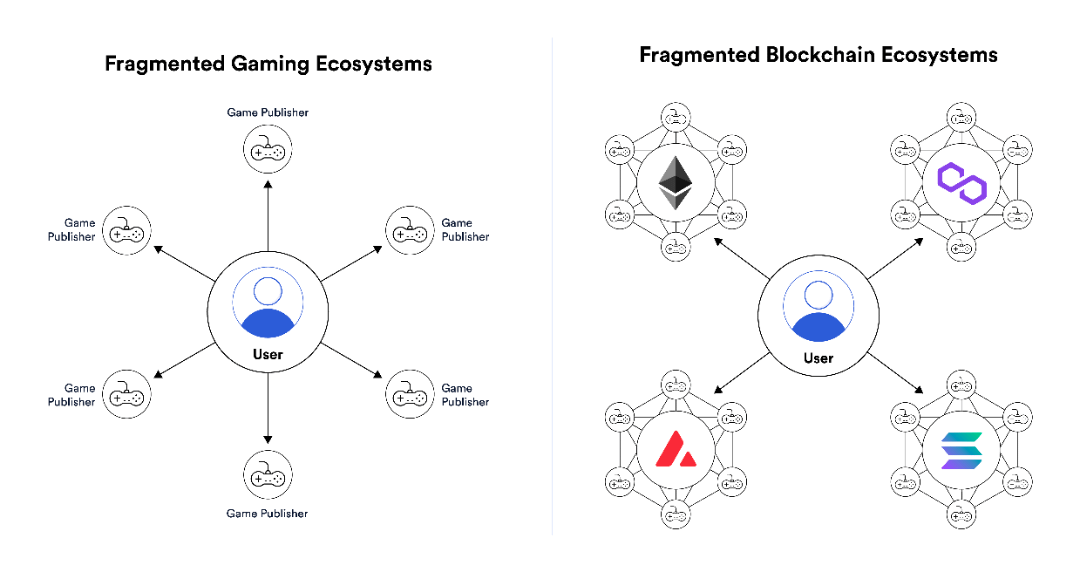
Vanar’s roots in gaming, entertainment, and brand ecosystems shape everything about its architecture. Unlike financial-first chains that later experiment with games or media, Vanar is optimized for interactive, consumer-driven environments where latency, UX, and scalability matter more than abstract decentralization metrics.
This is especially important in sectors like gaming and virtual worlds, where users expect real-time interactions and smooth experiences. If a system feels slow, complex, or expensive, users leave. Vanar’s design acknowledges this reality by focusing on performance and usability that aligns with mainstream digital platforms rather than crypto-native expectations.
An Ecosystem That Spans Multiple Consumer Verticals
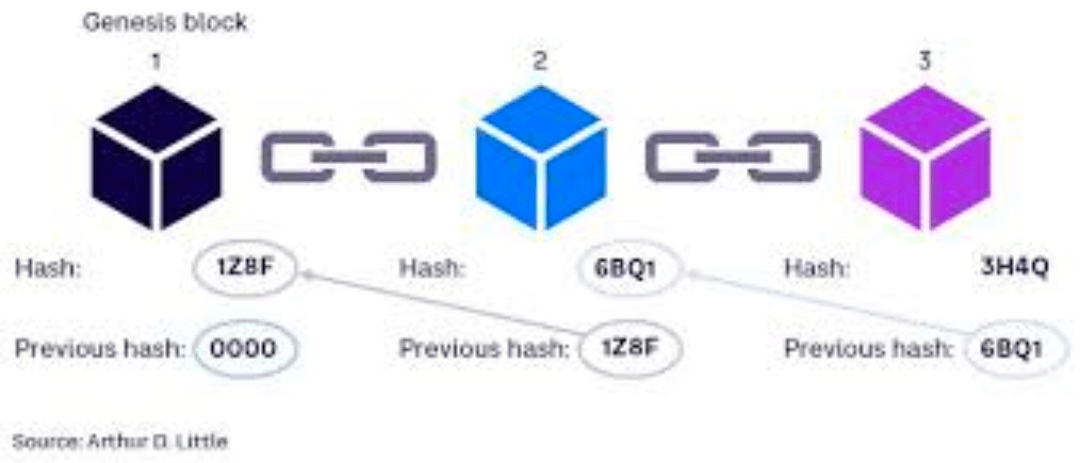
Vanar is not built around a single use case. Instead, it supports a range of consumer-facing verticals gaming, metaverse experiences, AI-driven applications, eco-focused initiatives, and brand integrations. This multi-vertical approach creates an ecosystem effect, where different products reinforce each other rather than competing for limited attention.
What matters here is not breadth for marketing purposes, but cohesion. Each vertical plugs into the same underlying infrastructure, allowing brands, developers, and creators to build experiences that feel familiar to Web2 users while benefiting from Web3 ownership and interoperability under the hood.
Virtua and VGN: Proof of Real Product DNA
One of Vanar’s strongest signals of credibility is that it already supports live, recognizable products. Virtua Metaverse demonstrates how immersive environments can be built with blockchain-based ownership without overwhelming users with complexity. Meanwhile, VGN focuses on gaming distribution and engagement, showing how blockchain can integrate into gaming ecosystems naturally rather than disruptively.
These products matter because they shift Vanar from being a “promising chain” to being an ecosystem with active use cases. In Web3, execution history often matters more than roadmaps, and Vanar’s portfolio suggests a team that understands shipping consumer products at scale.
Lowering the Barrier to Web3 Adoption
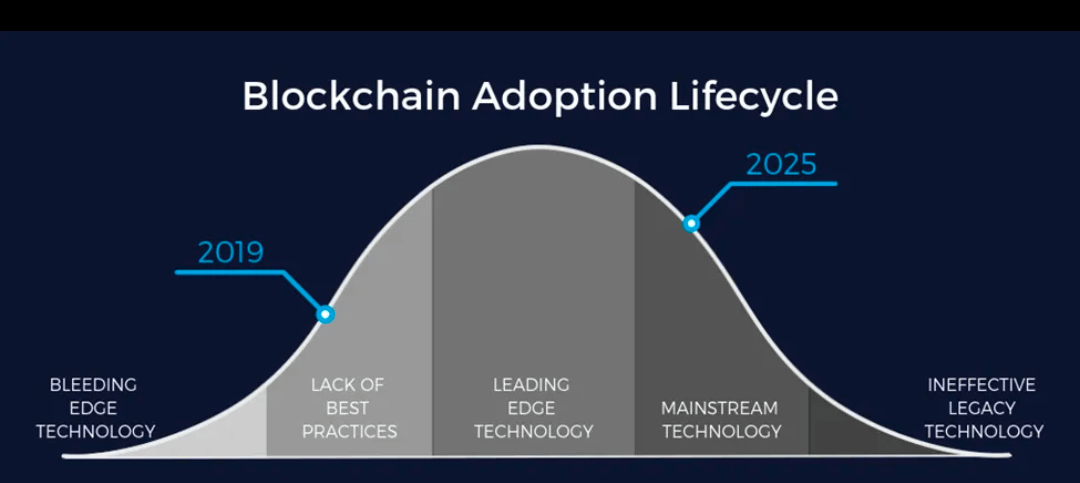
The biggest challenge in Web3 is not technology it is onboarding. Wallet management, gas fees, and unfamiliar flows create friction that most mainstream users simply won’t tolerate. Vanar’s strategy is to abstract these complexities away, allowing users to engage with applications in ways that feel intuitive and familiar.
This approach enables brands and creators to onboard users without forcing them to become crypto-native first. When blockchain becomes a background layer rather than the focal point, adoption accelerates naturally.
VANRY and Ecosystem Alignment
The VANRY token functions as the economic backbone of the Vanar ecosystem. Its relevance grows alongside network usage, developer activity, and consumer engagement. Rather than existing purely as a speculative asset, VANRY’s long-term value is closely tied to how successfully Vanar converts real-world engagement into on-chain activity.
As with any early-stage ecosystem, token dynamics such as distribution, unlock schedules, and adoption pace play an important role in market behavior. Understanding VANRY through the lens of ecosystem growth provides a clearer picture than short-term price narratives.
Why Vanar’s Approach Stands Out
Vanar is not competing to be the fastest DeFi chain or the most experimental protocol. Its edge lies in focus. By prioritizing entertainment, brands, and consumer-scale experiences, Vanar addresses a market that most blockchains struggle to serve effectively.
If Web3 adoption truly depends on reaching non-technical users, then infrastructure must adapt to user expectations rather than asking users to adapt to infrastructure. Vanar’s design philosophy reflects that understanding.
Looking Forward
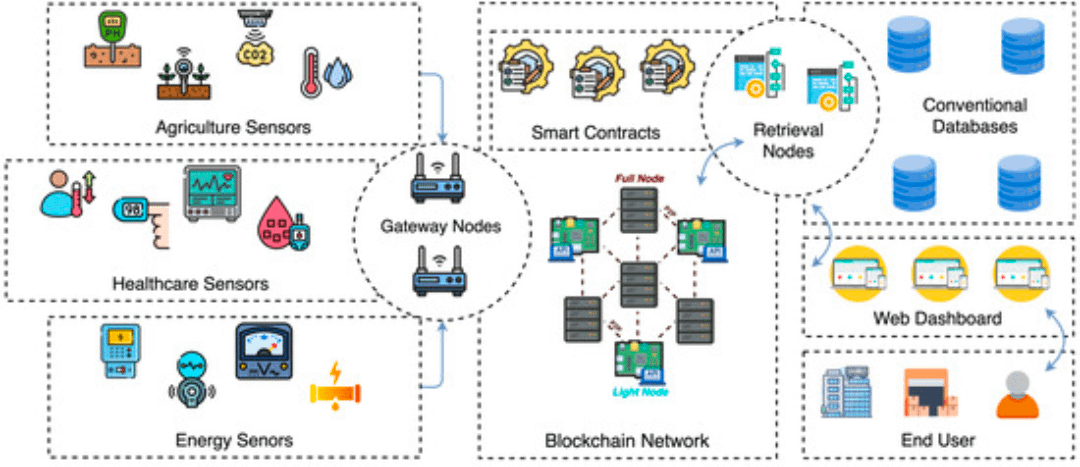
The next phase for Vanar is about compounding usage. More games, more brand integrations, more immersive experiences, and more proof that blockchain-powered applications can operate seamlessly at scale. As these layers build on top of each other, Vanar’s infrastructure becomes stronger through repetition, not speculation.
If Vanar continues executing on consumer-grade UX while maintaining scalable infrastructure, it has a realistic path toward becoming one of the foundational layers behind mainstream Web3 experiences used daily, often unnoticed, and widely accessible.
