

Most blockchain networks are built to impress first and adapt later. They launch as broad, general-purpose systems and only begin thinking about payments once congestion, fees, and user friction start showing cracks. Plasma takes the opposite route. It starts with a single, uncompromising assumption: if stablecoins are going to move real money at real scale, the rails must be purpose-built from day one.
Plasma isn’t trying to be everything. It is deliberately positioning itself as stablecoin settlement infrastructure the kind that continues working when volume spikes, when usage becomes repetitive, and when the network is no longer operating under ideal conditions. That distinction matters, because payments don’t fail gracefully. When settlement becomes slow, expensive, or uncertain, trust erodes immediately.
Payment-First Design, Not Payment as a Feature
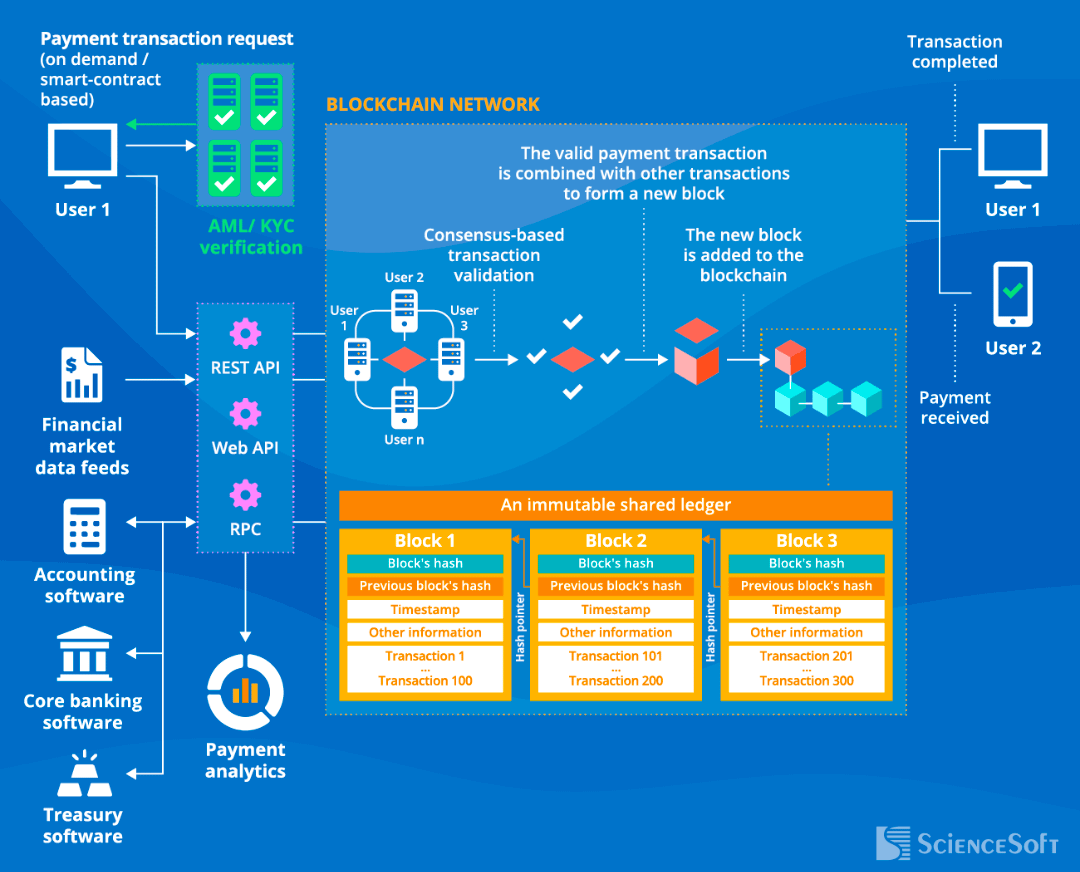
On most chains, stablecoins exist as just another asset class. They inherit the network’s limitations: volatile gas fees, congestion-driven delays, confusing onboarding flows, and a UX that constantly reminds users they are “using crypto.” Plasma’s design philosophy rejects that model entirely.
Here, stablecoin settlement is the core product. The EVM environment exists to support that product, not the other way around. Developers still get familiar tooling and contract logic, but under the surface the chain is optimized for predictable throughput, consistent costs, and behavior that makes sense for dollar-denominated transfers. This is how infrastructure moves from experimental to usable by aligning technical design with the economic reality of payments.
Stablecoin UX Without the Friction Tax
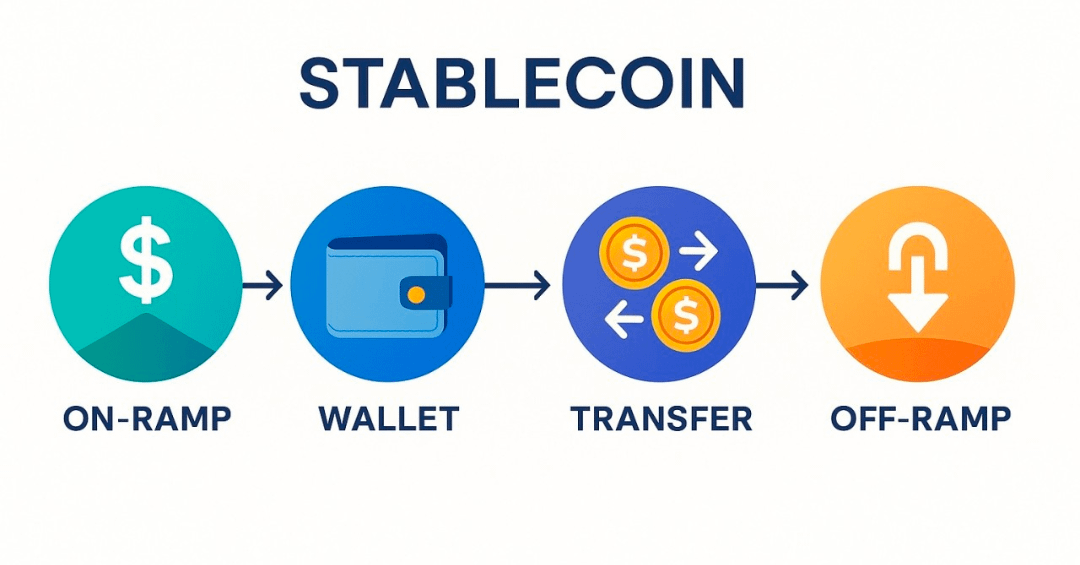
Every stablecoin user eventually runs into the same problems: needing a separate token for gas, watching fees spike during congestion, or waiting longer than expected for finality that still doesn’t feel absolute. These are not minor inconveniences they are adoption killers.
Plasma directly targets this friction by pushing toward stablecoin-native mechanics at the protocol level. Concepts like gasless transfers and stablecoin-first fee models are not cosmetic improvements; they fundamentally simplify onboarding. Users should not need to manage extra balances or understand fee markets just to move money. When stablecoins behave like money, apps can onboard non-crypto users without forcing them through crypto-specific rituals.
Finality as a Product Requirement
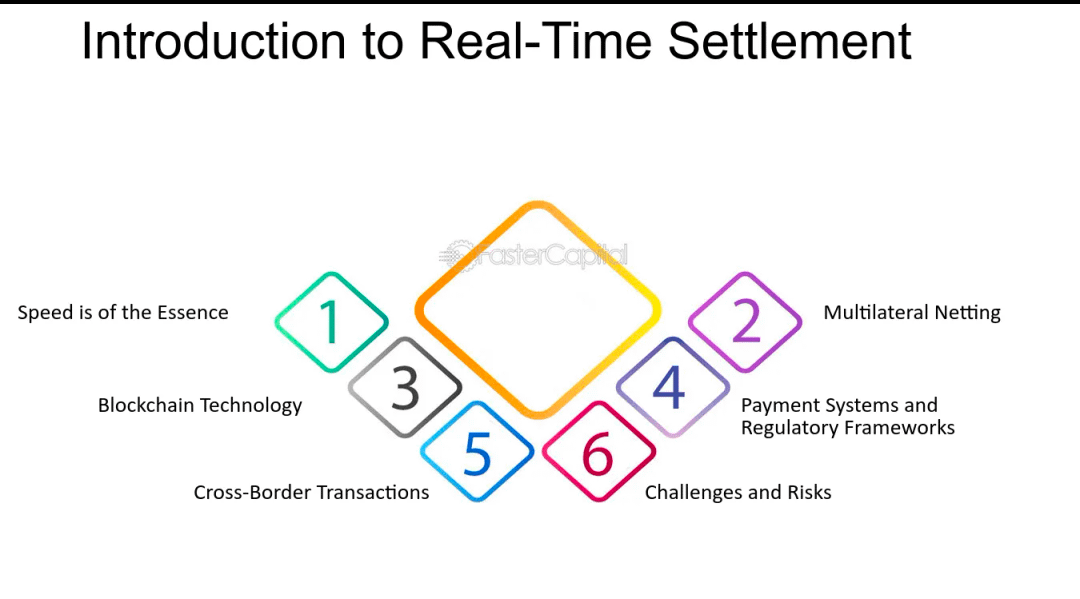
For payments, speed alone is not enough. What matters is certainty. Plasma’s emphasis on sub-second finality reflects a clear understanding of this reality. A transaction that settles quickly and decisively changes user behavior. Merchants can release goods instantly. Payroll-style flows can operate without buffers. High-frequency transfers stop feeling risky.
In settlement infrastructure, the difference between “probably confirmed” and “absolutely final” is the difference between hesitation and confidence. Plasma is optimizing for the latter, because payments scale on trust, not theoretical throughput.
Security Anchored in Long-Term Credibility
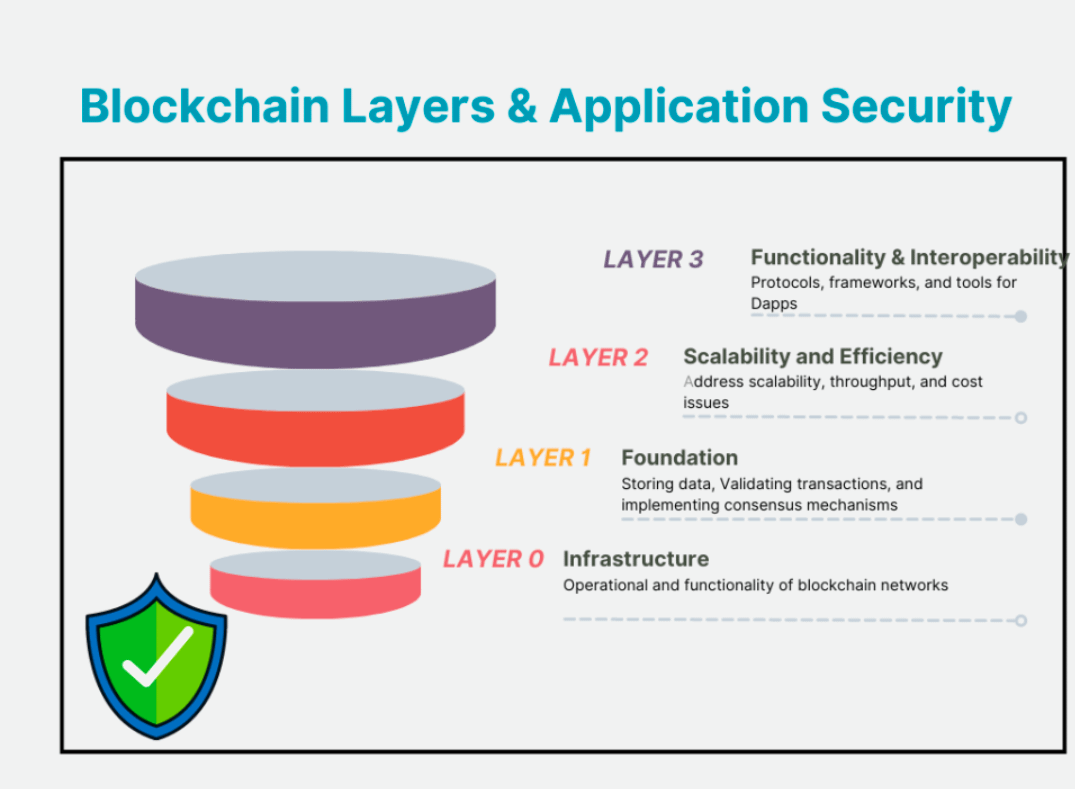
Plasma’s roadmap signals an ambition beyond short-term usage by framing its long-term security around Bitcoin anchoring. This is not about marketing alignment; it’s about credibility. Settlement infrastructure earns trust slowly, and anchoring to a widely trusted base layer strengthens the integrity of the chain’s historical state over time.
Importantly, this is positioned as a staged evolution, not a rushed dependency. That sequencing matters. Infrastructure that handles stablecoin volume must first prove it can operate smoothly under load before layering additional complexity. Plasma’s approach suggests patience a rare but necessary trait in payment-focused networks.
Sequencing Over Spectacle
Plasma’s development path is best understood as a sequence rather than a single launch event. First comes operational reliability: consistent block production, clean deployments, and a frictionless developer experience. Then come stablecoin-native behaviors becoming the default, not optional experiments. Only after that does deeper infrastructure bridging, anchoring, and expanded security compound the network’s value.
This progression is what separates durable payment rails from chains that rely on attention cycles. Real settlement networks grow through repetition, integrations, and habit formation, not through brief bursts of hype.
XPL and Ecosystem Alignment
XPL’s role makes the most sense when viewed through ecosystem alignment rather than short-term price narratives. If Plasma succeeds in clearing meaningful stablecoin volume, the token naturally sits close to the economic activity of the network. That makes supply schedules, unlock timelines, and adoption metrics especially important during early phases.
In infrastructure-driven networks, market behavior often reflects execution quality just as much as sentiment. Participants who track real usage signals tend to navigate these phases with more clarity than those who approach it purely as a speculative asset.
Why Plasma’s Direction Matters
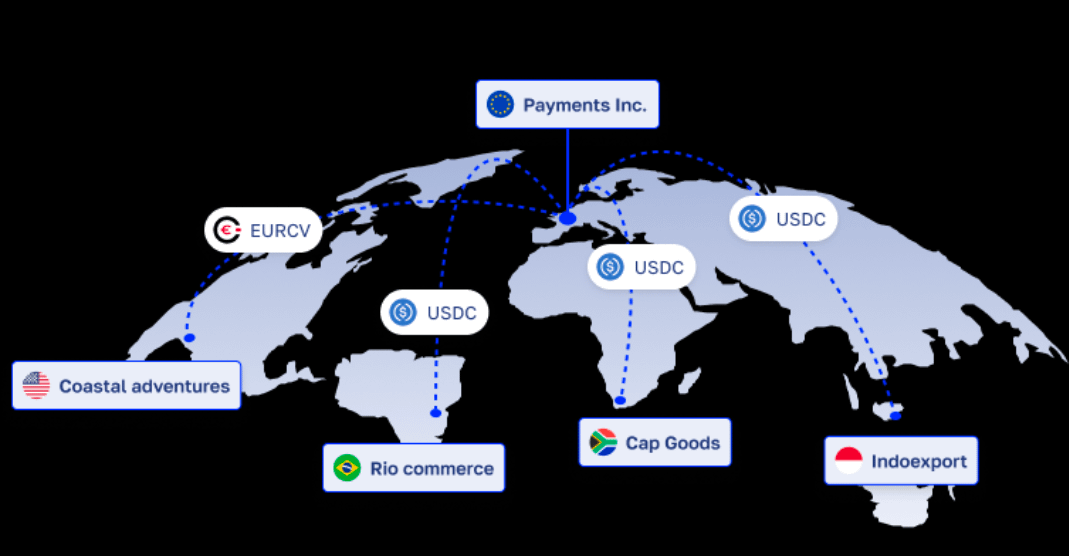
Plasma is not promising to dominate every category. Its value proposition is narrower — and stronger for it. Fast finality builds trust. Stablecoin-native fees remove friction. High-volume readiness enables daily, repeated usage. EVM compatibility accelerates developer adoption without forcing ecosystem fragmentation.
Together, these elements point toward a simple but powerful outcome: stablecoins that finally behave like reliable digital cash. If Plasma executes cleanly, users may never think about the chain itself — and that is exactly what successful payment infrastructure looks like.
Looking Ahead
The next phase for Plasma is about converting infrastructure into habit. More builders shipping real applications. More integrations defaulting to stablecoin-native flows. More proof that the network holds up under sustained volume without degrading the experience.
Payments don’t reward noise. They reward consistency. Plasma’s strongest advantage is its clarity of purpose, and if that focus translates into execution, it has a credible path toward becoming settlement infrastructure people rely on daily quietly, reliably, and at scale.

