

Most digital systems are designed to be used and forgotten. You open an app, complete a task and move on. But creative digital experiences work differently. Games, virtual worlds, entertainment platforms and brand spaces are meant to stay with people. They’re remembered, returned to and built upon over time.
When experiences are meant to be remembered, expectations change. Users don’t judge them by a single interaction. They judge them by continuity. Does the world feel the same when they come back? Do their actions still matter? Does the experience respect the time they’ve already invested?
This is where infrastructure quietly shapes memory.
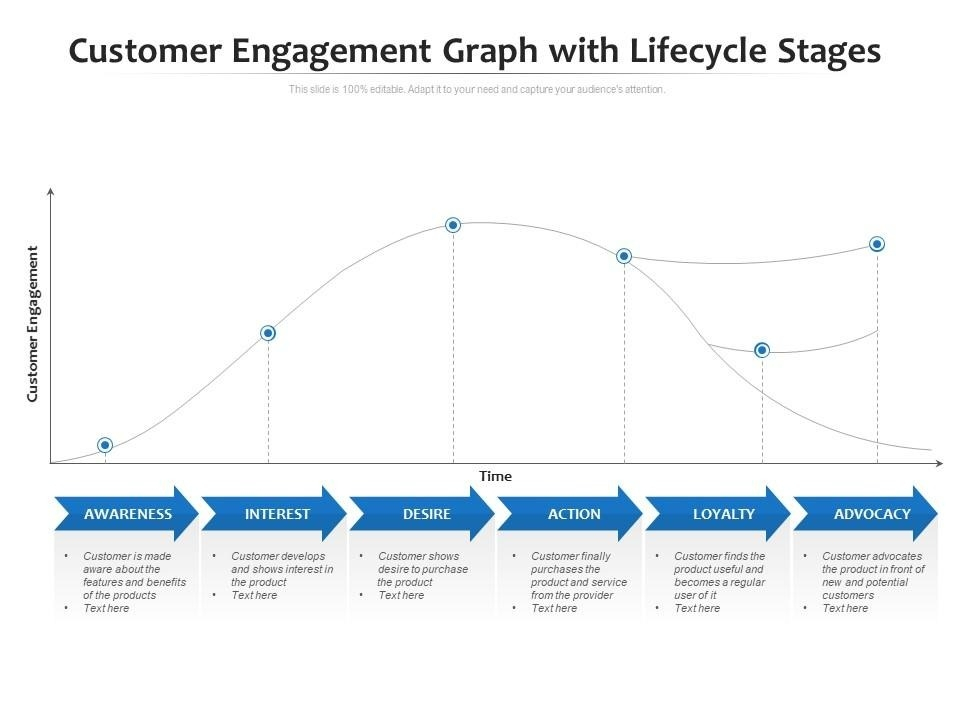
Creators working on long-running digital experiences think in arcs, not moments. Seasons replace sessions. Progress replaces transactions. Communities grow around shared history. If the underlying system behaves inconsistently, those memories fracture. A broken update, lost state or unexpected interruption doesn’t just cause friction it weakens the emotional thread that keeps users connected.
That’s why infrastructure for creative ecosystems can’t be designed only for execution. It has to support persistence. It needs to preserve context, handle evolution without disruption and allow experiences to change without erasing what came before. Users may never see these systems directly but they feel their effects every time something works the way they remember it.
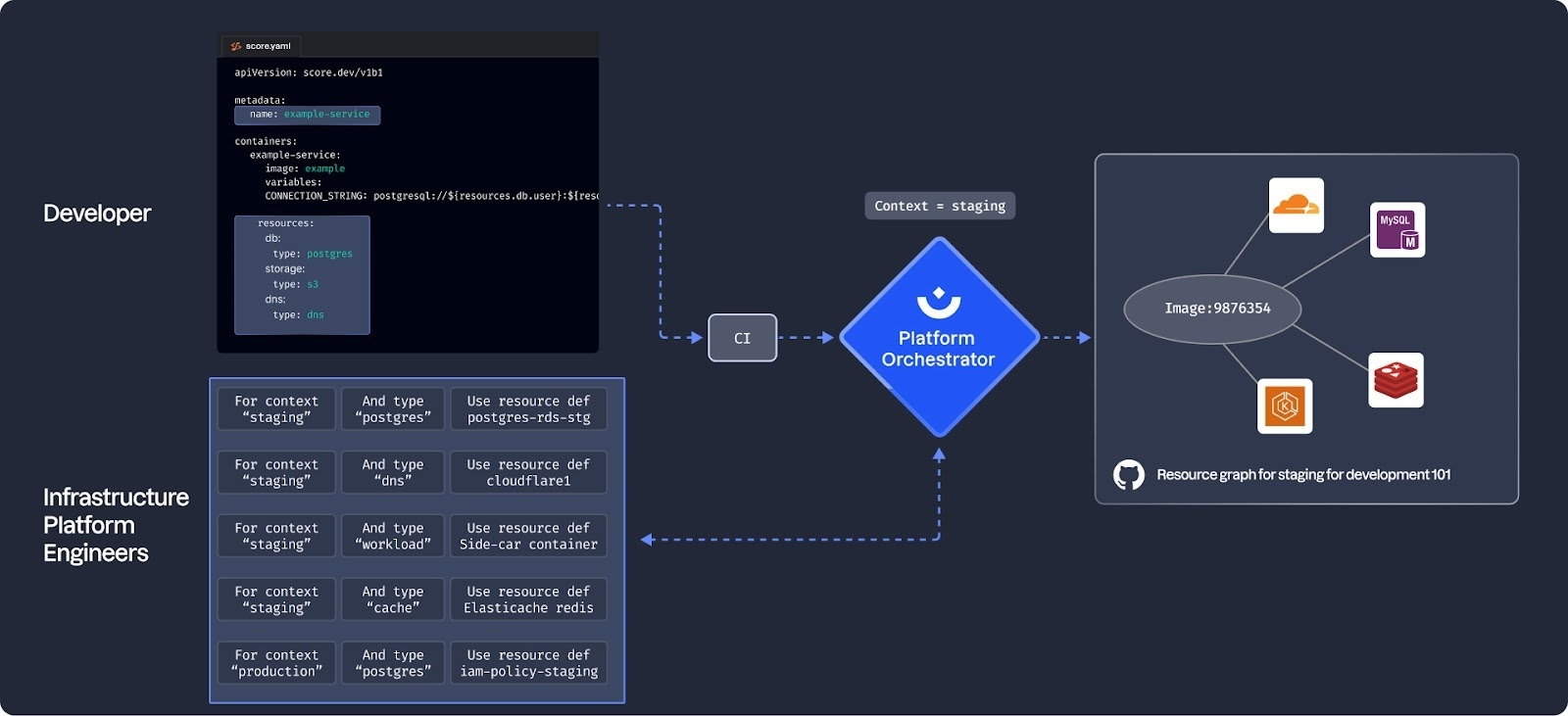
This mindset is very different from environments optimized purely for speed or efficiency. In remembered experiences, reliability isn’t about performance metrics it’s about trust over time. Users return because things feel familiar, even as they evolve. Creators keep building because the foundation doesn’t force them to reset or rebuild trust with every update.
This is where @Vanarchain fits naturally into the conversation. Its roots in gaming, entertainment and brand-driven platforms reflect environments where continuity matters more than novelty. These are spaces where users don’t just interact they invest attention, identity and time.
What’s often missed in Web3 discussions is that memory is a feature. Experiences that last need infrastructure that respects the past while supporting the future. When systems absorb change without breaking continuity, creativity compounds instead of resetting.
In the end, the most successful digital experiences aren’t the ones people try once. They’re the ones people remember. And behind every remembered experience is infrastructure that understands one simple rule: if users are meant to come back, the world they return to must still feel like home. #vanar
