
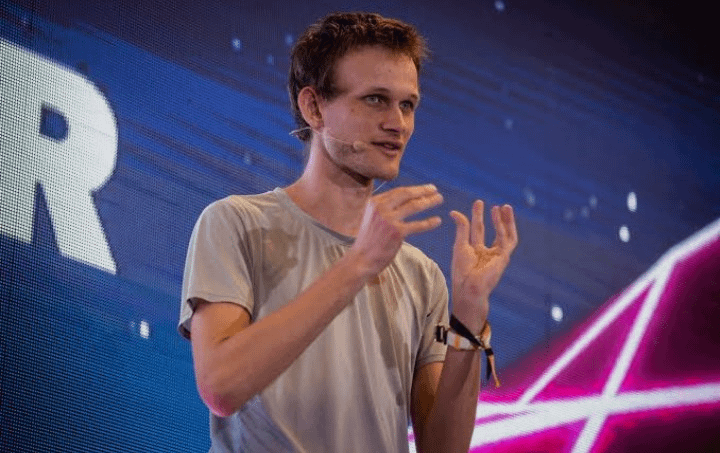
Vitalik Buterin wants a different direction for artificial intelligence. Instead of this crazy rush after the so-called AGI (Artificial General Intelligence), he says that the path has to be different: decentralization, verification, and privacy, just like the way Ethereum operates.
According to him, just saying "to work on AGI" is already starting off wrong, because it seems like a directionless race, just to see who gets there first. It's as if someone said that Ethereum is just about "working with finance" or "computing", without considering the values and the right direction.
Buterin thinks that AI and cryptocurrency are treated as too separate things, and that it is time to bring the two together. Instead of accelerating thoughtlessly, development should focus on systems that enhance people's freedom and provide security, without letting the world turn into chaos. He calls this 'defensive acceleration.'
Other market names have also commented. Joni Pirovich from Crystal aOS said that it is quite possible for Ethereum to become the main layer for AI-to-AI interactions. It's not about racing towards AGI, but rather creating safe tracks for autonomous transactions and investments. Midhun Krishna from TknOps.io mentioned that decentralized economies of agents will need programmable deposits, pay-per-use payments, and dispute resolution directly on the blockchain, in addition to governance with identity and reputation.
Buterin organized this idea into a four-part scheme, like a 2x2 chart:
- Tools for private and trustless AI interaction, such as local LLMs and zero-knowledge payments.
- Ethereum as an economic layer for AI, with payments, contracts between bots, and reputation standards.
- Local assistants that follow the philosophy 'don't trust, verify,' auditing contracts and interacting without relying on centralized systems.
- Prediction markets, quadratic voting, and new governance models.
All of this shows the difference in vision between him and Sam Altman from OpenAI. Altman believes he already knows how to reach AGI and that AI agents will soon enter the job market. Buterin, on the other hand, insists on cryptography-based security and decentralized coordination.
