
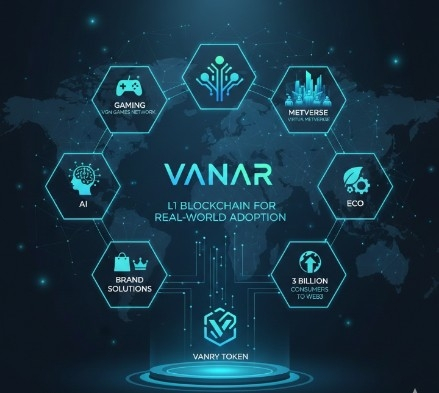
Vanar is positioned as a Layer 1 blockchain built specifically for real-world adoption, not just for crypto-native experimentation. That distinction matters because most blockchain projects fail at the exact point where real users are supposed to engage. Games struggle with onboarding friction, brands struggle with compliance and user experience, and developers struggle with fragmented tools. If the goal is to bring the next three billion consumers into Web3 through gaming, metaverse, AI, and brand integrations, then execution must be practical, structured, and measurable. The problem is not lack of technology. The problem is friction, complexity, and misaligned incentives.

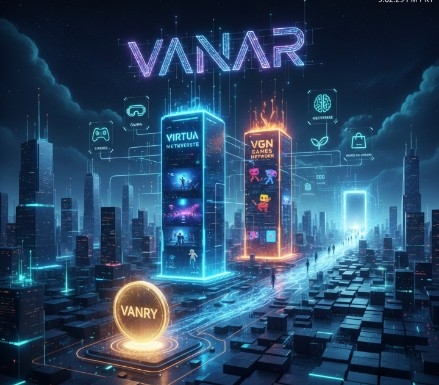
What is going wrong across most Web3 ecosystems is predictable. Onboarding requires wallets before value is demonstrated. Transactions cost unpredictable fees. Games rely too heavily on speculation rather than gameplay quality. Brands face unclear compliance pathways. Developers must stitch together infrastructure from multiple vendors. Even when chains are technically fast and cheap, the overall user journey feels slow and confusing. If Vanar, powered by VANRY, is to deliver real-world adoption through products like Virtua Metaverse and the VGN games network, then the focus must be operational discipline, not marketing narratives.
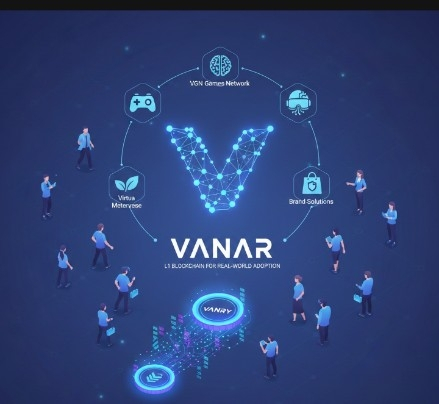
The first action is to define one measurable adoption goal and build everything around it. Do not attempt to optimize the entire ecosystem at once. Choose a specific outcome such as reducing time-to-first-transaction to under two minutes inside a game or enabling a brand NFT campaign where 70 percent of participants complete onboarding without external wallet downloads. Map the complete journey step by step from user discovery to asset ownership. Identify every click, confirmation, and delay. Remove anything that does not directly create value for the user.

The second action is to simplify onboarding using progressive account systems. Start users with instant access through email or social login so they can engage immediately. Create a custodial wallet automatically in the background. Only introduce self-custody when the user shows intent to hold significant value. This gradual transition lowers friction while preserving decentralization over time. The key is that the user should feel like they are using a normal app, not navigating blockchain infrastructure.
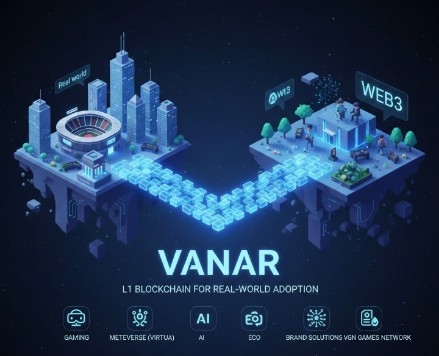
The third action is to stabilize transaction costs. For gaming and brand use cases, unpredictable gas destroys trust. Implement sponsored transactions or meta-transactions where the application covers fees for early interactions. Recover costs through in-game economics, subscription models, or premium upgrades. Display confirmations instantly in the interface while final settlement occurs in the background. Users care about responsiveness more than technical settlement details.
The fourth action is to integrate practical payment flows. If real-world adoption is the objective, fiat on-ramps must be embedded directly into applications. Users should be able to purchase assets or credits with cards or local payment systems and receive usable digital assets immediately. Stablecoin integration should be seamless, not technical. Withdrawal processes must be clear, with transparent status updates. Payment reliability builds trust with both consumers and brand partners.

The fifth action is to provide developers with structured toolkits. Do not expect developers to piece together documentation from scratch. Offer ready-made SDKs that cover asset minting, marketplace logic, in-game inventory management, AI integration hooks, and payment modules. Include complete reference implementations that can be deployed quickly. When developers can move from concept to live prototype in days instead of months, ecosystem growth accelerates.
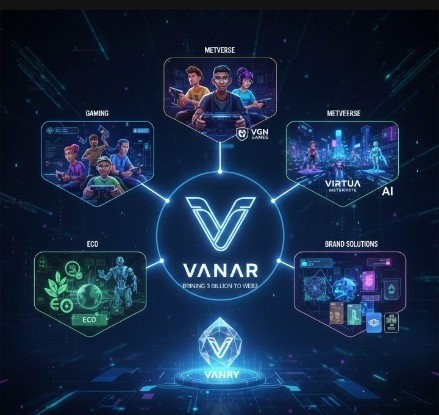
The sixth action is to separate gameplay speed from blockchain settlement. For gaming experiences on Vanar, real-time interactions should occur off-chain with periodic state commitments on-chain. This ensures smooth gameplay while maintaining asset integrity. Expose clear APIs that allow developers to decide which actions require full settlement and which can remain optimistic. Performance consistency is more important than theoretical throughput.
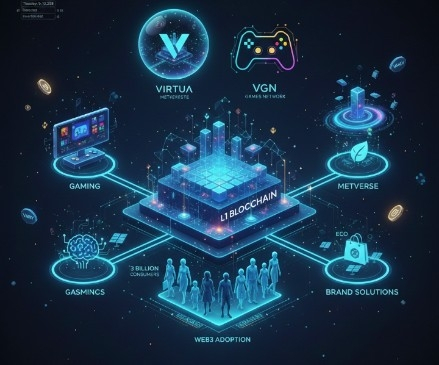
The seventh action is to structure VANRY token utility around functional value. The token should power transaction settlement, staking for network security, ecosystem incentives, and in-game economic participation. Avoid designing overly complex reward systems that create short-term speculation. Instead, focus on sustainable incentives such as staking rewards tied to ecosystem usage and developer grants tied to measurable adoption milestones.

The eighth action is to design brand integration playbooks. Brands require predictable outcomes. Offer pilot programs with clear objectives, such as engagement targets or asset distribution metrics. Provide white-label deployment options and compliance documentation to accelerate internal approval processes. Show brands exactly how blockchain enhances customer loyalty, data ownership, or interactive experiences without overwhelming them with technical language.
The ninth action is to prioritize security and compliance from the beginning. Publish audits. Implement monitoring systems. Offer optional KYC modules for applications operating in regulated environments. Provide transparent reporting on validator performance and network uptime. Real-world adoption requires institutional confidence, and that confidence depends on operational transparency.

The tenth action is continuous measurement and iteration. Track user activation rates, transaction completion times, retention percentages, and average revenue per user. Monitor how often VANRY is used within applications rather than simply held. Analyze failed transactions and onboarding drop-offs. Use these metrics to refine user flows and economic structures every month. Adoption grows when improvements are systematic.
There are common mistakes that must be avoided. Do not design primarily for crypto-native audiences while claiming mass adoption. Do not assume low fees alone will attract developers. Do not distribute large token rewards without vesting structures, as this often leads to volatility and ecosystem instability. Do not overpromise AI or metaverse capabilities without delivering clear, usable frameworks. And do not neglect documentation; unclear developer guidance slows everything.

A practical implementation sequence can be executed over three focused phases. In the first phase, optimize onboarding and transaction speed for one flagship application within the ecosystem such as a VGN game or a Virtua Metaverse activation. In the second phase, integrate fiat payment flows and finalize token utility structures within that product. In the third phase, expand outward by providing reusable SDKs and onboarding additional developers using the proven template.
To verify progress, measure time-to-value for new users, percentage of users completing at least one meaningful transaction, and 30-day retention. Track active wallets interacting with applications rather than total wallet count. Monitor staking participation to ensure validator incentives remain healthy. Use these metrics to guide funding allocation within the ecosystem.
