
@Plasma comes across as a project driven by restraint rather than reaction. Not the kind of patience that waits for market cycles to turn, but the discipline of designing for genuine demand instead of fleeting attention. Its direction is deliberately narrow: deliver stablecoin payment rails that perform reliably at scale—fast, consistent, and almost unremarkably dependable. The goal isn’t to remind users they’re interacting with crypto. It’s to make transferring stable value feel as routine as moving money through traditional systems.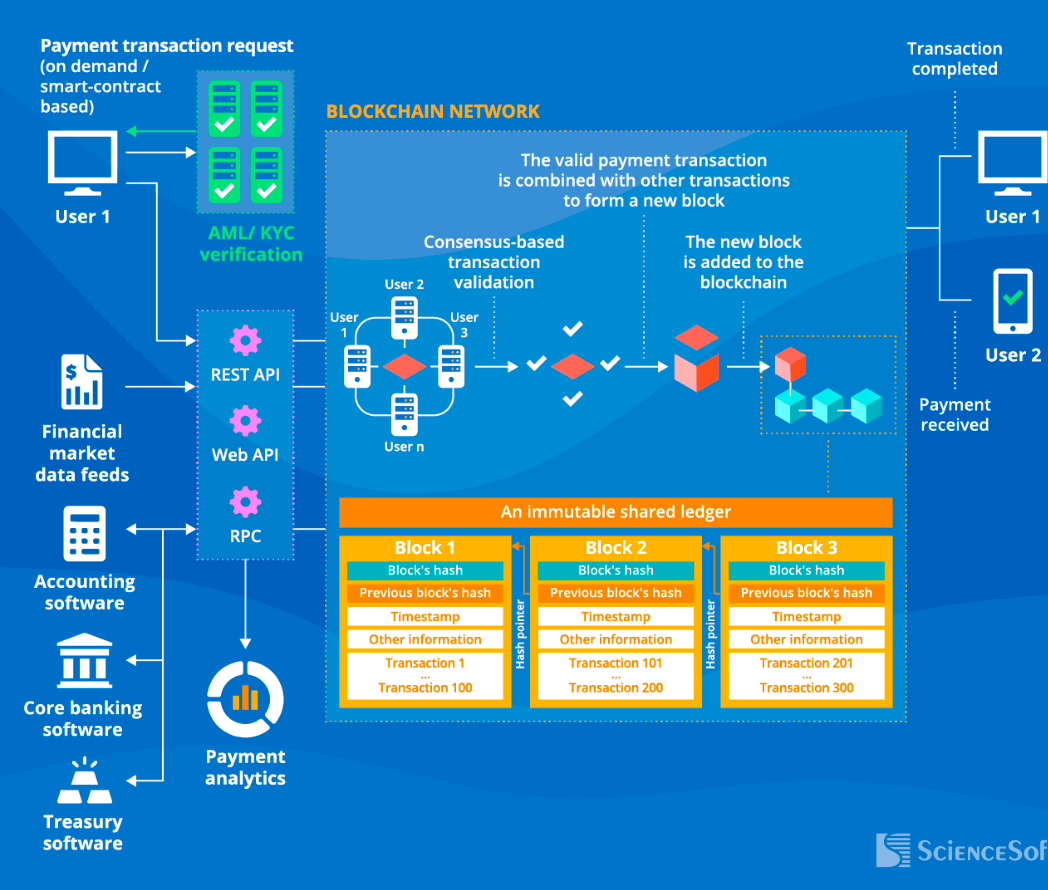
That focus is what sets Plasma apart early. Most blockchains start as broad platforms and later attempt to retrofit payments into their architecture. Plasma reverses that order. Stablecoin settlement is the foundation, and everything else exists to reinforce it. This distinction matters because payments are unforgiving. They expose inefficiencies quickly, amplify congestion, and punish unpredictability. Designing around them from the outset is fundamentally different from patching issues later.
From a technical standpoint, Plasma doesn’t try to disguise itself as a generic EVM chain with a new story layered on top. Instead, it’s an EVM environment purpose-built for stablecoin volume. Developers retain familiar tools and compatibility, reducing friction to build, while the underlying system is optimized for throughput, consistency, and deterministic execution. That balance is critical. Developers don’t want to rebuild their workflows, and users don’t want to learn anything new at all. EVM compatibility eases developer onboarding, while a payments-first architecture removes friction for users who only care that transfers are quick and inexpensive.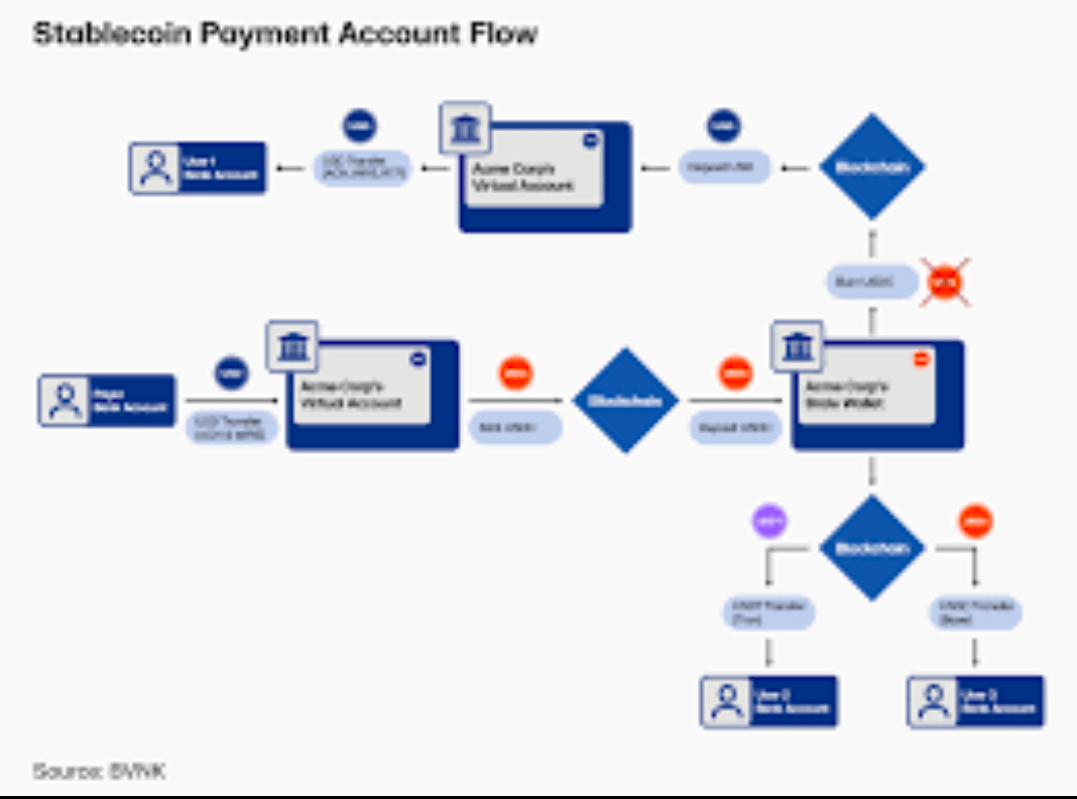
Where Plasma becomes particularly compelling is in how directly it addresses problems stablecoin users already experience. On many networks, stablecoin transfers inherit the chain’s weaknesses: unpredictable fees, the need to maintain separate gas tokens, inconsistent settlement times, or confirmations that don’t inspire confidence. Plasma smooths these rough edges by treating stablecoins as first-class assets at the protocol level. Gasless transfers and stablecoin-denominated fee models aren’t marketing slogans—they’re practical tools designed to reduce onboarding friction and eliminate unnecessary complexity.
Finality is another area where Plasma’s priorities are clear. In payment systems, the difference between “confirmed” and “final” is not theoretical—it defines whether users trust the system. Fast, decisive settlement changes how merchants, services, and individuals behave. Plasma’s emphasis on sub-second finality reflects an understanding that payment rails rely on certainty, especially for high-frequency use cases like merchant payouts, payroll, remittances, and recurring transfers where delays or reversals are unacceptable.
On the security front, Plasma’s longer-term plan to anchor to Bitcoin signals an ambition to become serious settlement infrastructure rather than a temporary execution layer. This isn’t about adding complexity prematurely—it’s about earning credibility over time. Positioning anchoring as a later-stage milestone suggests a preference for sequencing over spectacle. Stablecoin settlement is unforgiving, and deploying heavyweight security mechanisms before the system proves itself often undermines trust. A gradual approach prioritizes reliability first, then strengthens guarantees once real usage exists.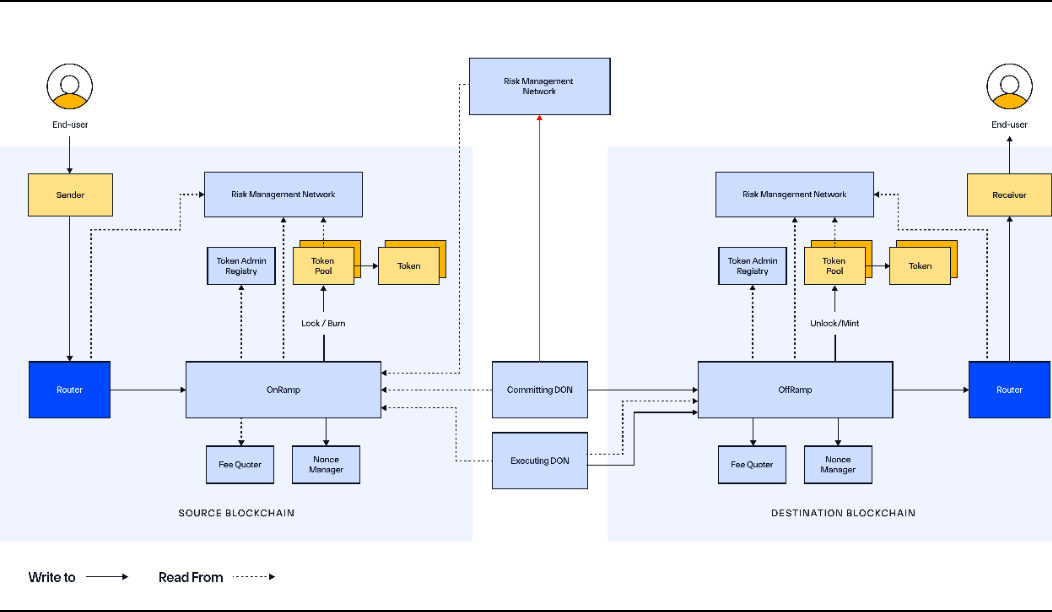
Viewed as a roadmap rather than a single launch, Plasma’s strategy becomes clearer. The initial phase centers on operational stability: reliable block production, smooth contract deployment, and a clean developer experience. The next phase normalizes stablecoin-native behavior, where gasless transfers and simple fee mechanics become default rather than optional. Only after that do deeper layers—bridging, anchoring, and expanded security—begin to stack meaningfully. This progression mirrors how durable payment systems are built: step by step, not in a rush to impress.
The role of the XPL token makes the most sense when framed around ecosystem alignment instead of pure speculation. If Plasma attracts real stablecoin volume, XPL naturally sits close to that economic activity. Its performance will reflect network growth, adoption velocity, and supply dynamics—particularly in early stages, when unlock schedules and distribution events can influence sentiment as much as product delivery. Treating the token casually often leads to surprises; tracking supply alongside usage usually offers a clearer signal.
From a product perspective, Plasma’s value proposition is straightforward. Rapid finality builds trust. Stablecoin-native fees lower barriers to entry. High-throughput design supports frequent, everyday transactions rather than occasional use. EVM compatibility accelerates ecosystem growth by letting developers ship with tools they already understand. Plasma isn’t trying to be everything. Its ambition is narrower—and stronger: a chain where stablecoins feel purpose-built for payments—fast, affordable, and certain—without requiring users to understand the machinery beneath the surface.
Looking ahead, Plasma’s challenge is turning infrastructure into habit. That means real deployments, not just demonstrations. Integrations that default to stablecoin-native rails rather than bolting them on. Measured progress on bridging and security that protects the network’s reputation. And, above all, visible proof that the chain can sustain high, consistent volume without degrading the user experience. That metric isn’t flashy—but for payment rails, it’s the one that matters most.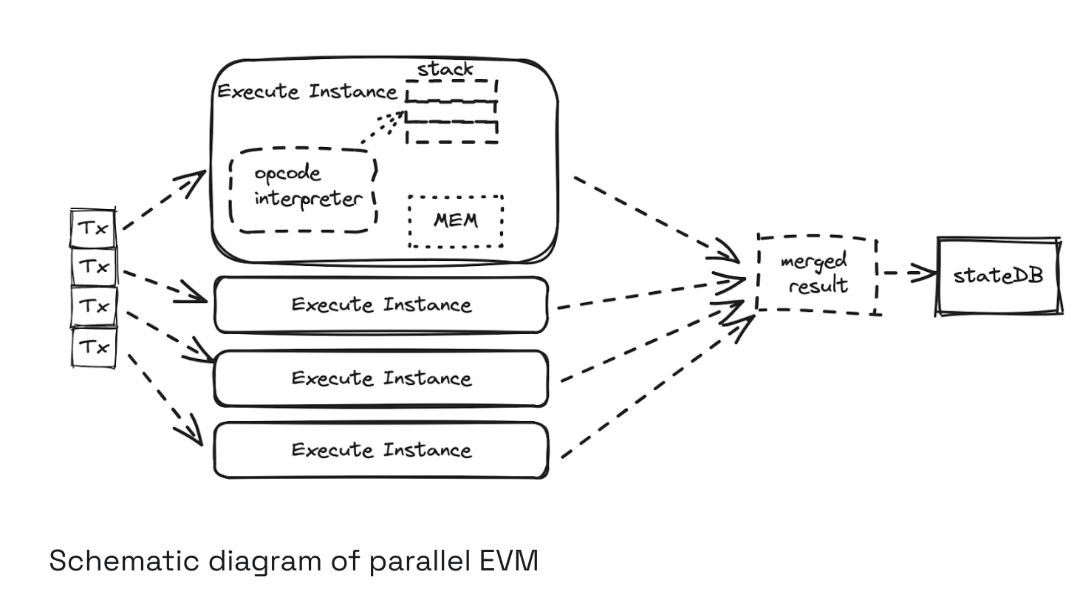
The central takeaway is focus. Plasma isn’t juggling competing narratives or chasing attention. It’s committing to stablecoin settlement as if it genuinely intends to compete in real-world payments. And real payments don’t reward noise—they reward consistency. If Plasma delivers fast finality, a smooth stablecoin experience, and a disciplined security roadmap while keeping developers comfortable, it has a credible path to becoming infrastructure people use daily without ever thinking about the chain itself. And that quiet invisibility is exactly what defines the best payment systems.

