
1️⃣ What Is Bitcoin?
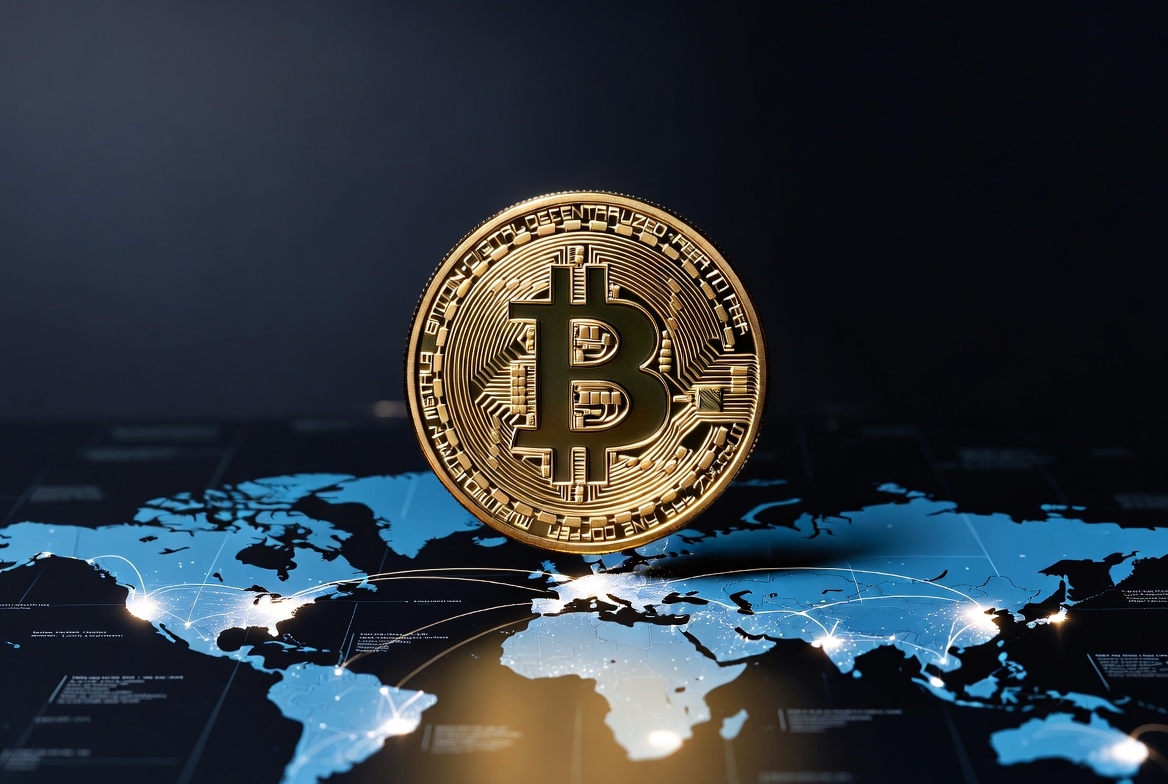
Bitcoin (BTC) is the world’s first decentralized digital currency, launched in 2009 by an anonymous creator known as Satoshi Nakamoto. Unlike traditional money issued by governments, Bitcoin runs on a distributed blockchain network where transactions are verified by thousands of independent computers. This removes the need for banks or central authorities and allows peer-to-peer value transfer globally.
Bitcoin is limited in supply — only 21 million coins will ever exist — which is one of the key reasons it’s often called digital gold.
2️⃣ How Bitcoin Works (Simple View)
Bitcoin operates on a technology called blockchain — a public, transparent ledger that records every transaction.
Here’s the basic flow:
A user sends BTC from one wallet to another
The transaction is broadcast to the network
Miners validate it using computing power
The verified transaction is added to a block
The block is permanently stored on the chain
Because every block is linked and secured by cryptography, altering past records is nearly impossible.
3️⃣ Why Bitcoin Has Value
Bitcoin’s value comes from a combination of factors:
✅ Fixed and scarce supply
✅ Global acceptance and liquidity
✅ Strong network security
✅ Institutional adoption
✅ Store-of-value narrative
✅ Hedge against currency debasement (for some investors)
Just like gold, Bitcoin is valued partly because it is scarce and costly to produce (through mining).
4️⃣ Bitcoin vs Traditional Money
Traditional Currency
Printed by central banks.
Inflationary (supply can increase).
Controlled by governments.
Requires intermediaries.
Algorithmically limited supply.
Borderless and censorship-resistant.
User-controlled wallets.
Peer-to-peer transactions.
Transparent monetary policy.
5️⃣ Bitcoin in Trading and Investment
Bitcoin is the most traded crypto asset and acts as the market leader. Many altcoins move in correlation with BTC direction.
Traders use Bitcoin for:
Spot investing
Futures trading
Hedging altcoin exposure
Portfolio diversification
Long-term holding (HODLing)
Key trading metrics include:
Volume
Funding rates
Open interest
On-chain flows
Exchange reserves
6️⃣ Risks of Bitcoin
Despite its strength, Bitcoin is not risk-free:
⚠️ High price volatility
⚠️ Regulatory uncertainty in some regions
⚠️ Emotional trading mistakes
⚠️ Leverage liquidation risk
⚠️ Security mistakes by users (lost keys, scams)
Risk management and proper wallet security are essential.
7️⃣ The Future of Bitcoin
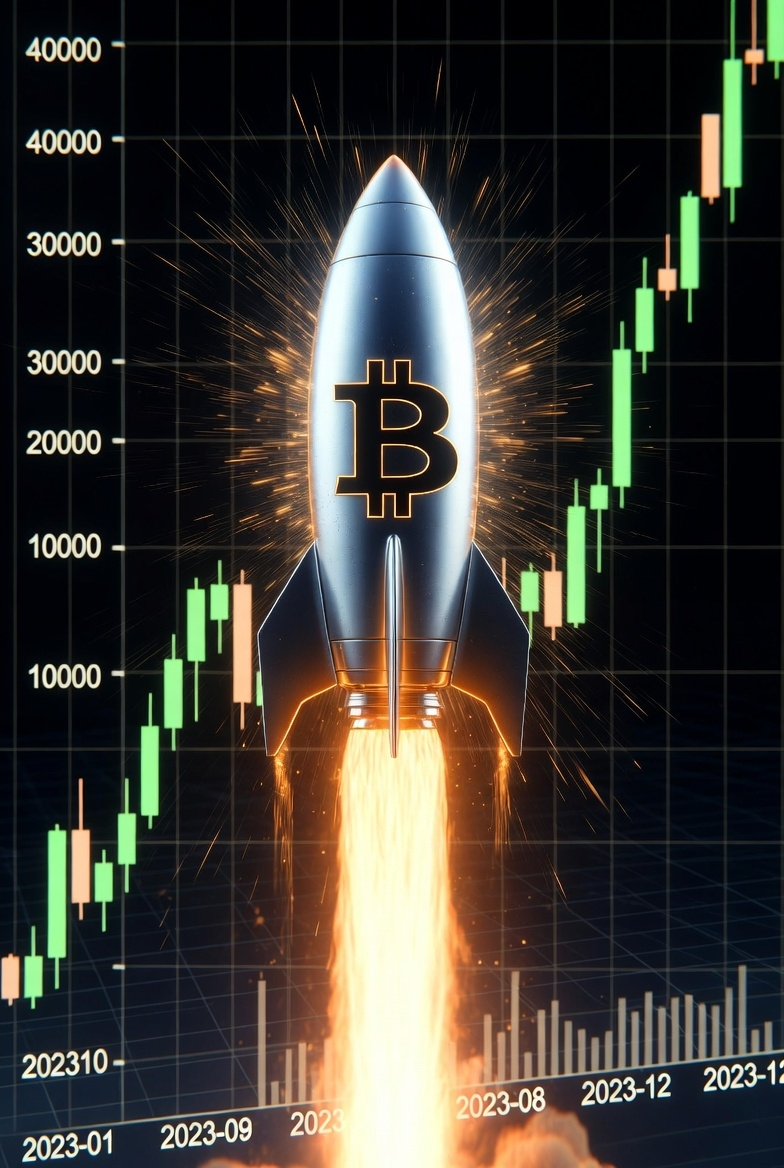
Bitcoin continues to evolve through:
Layer-2 solutions (like Lightning Network)
Institutional ETFs and products
Corporate treasury adoption
Nation-state interest.
Integration with payment systems Whether used as a store of value, trading asset, or hedge — Bitcoin has already changed how the world thinks about money.
#BitcoinDunyamiz #bitcoin #BitcoinETFs #BinanceBitcoinSAFUFund #BTCMiningDifficultyDrop
