
Most users never notice a blockchain when everything works. They only notice when something breaks. A delayed confirmation, a sudden spike in fees, or an interaction that simply fails is enough to push people away. For consumer oriented applications, these small disruptions matter more than headline metrics like peak TPS. Consistency is what keeps users staying, not theoretical speed.
Continuous activity exposes weaknesses quickly. Gaming logic, digital asset updates, and frequent micro transactions create constant pressure on the base layer. If execution fluctuates, developers are forced to design around bottlenecks, adding extra safeguards and workarounds. That added complexity slows innovation and increases costs long before adoption truly scales.
This is why stable throughput and predictable costs are becoming more important than raw performance claims. A chain that behaves the same under light and heavy usage provides a cleaner environment for builders. Applications can focus on experience instead of infrastructure, and users interact without thinking about what happens in the background. That invisible reliability is what turns Web3 products into something that feels mainstream.

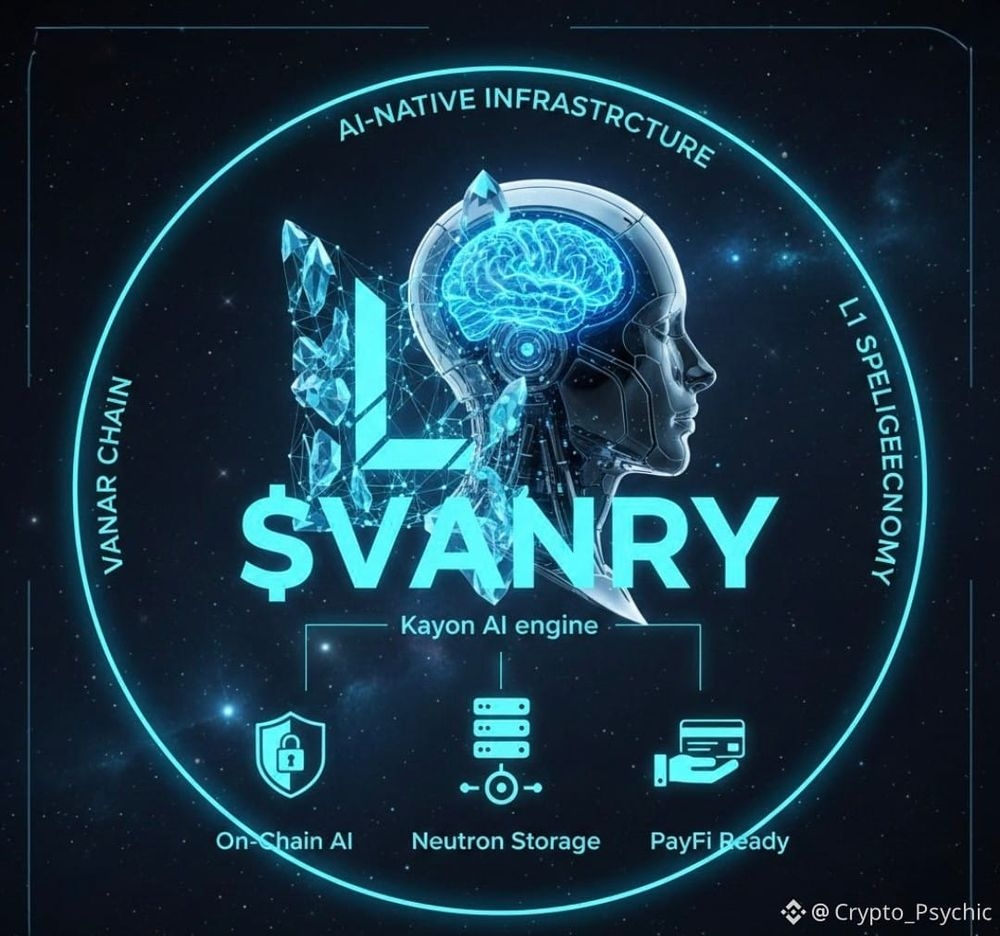
Vanar Chain inside the @Vanarchainecosystem is structured around this principle. Rather than chasing extreme benchmarks, the architecture supports steady execution for entertainment driven use cases where thousands of actions occur every minute. Transactions remain smooth, confirmation times stay consistent, and operational costs remain manageable for both developers and users. Within this system, $VANRY functions as the value layer that powers transfers, in app payments, and cross platform activity, tying the broader #Vanar environment into one unified economy.
Over time, the networks that feel effortless to use tend to outlast the ones that only look impressive on charts. Quiet stability often wins where flashy numbers fail.
