
If we get a five-wave move to the upside, price must continue higher and has to hold support on the next pullback.
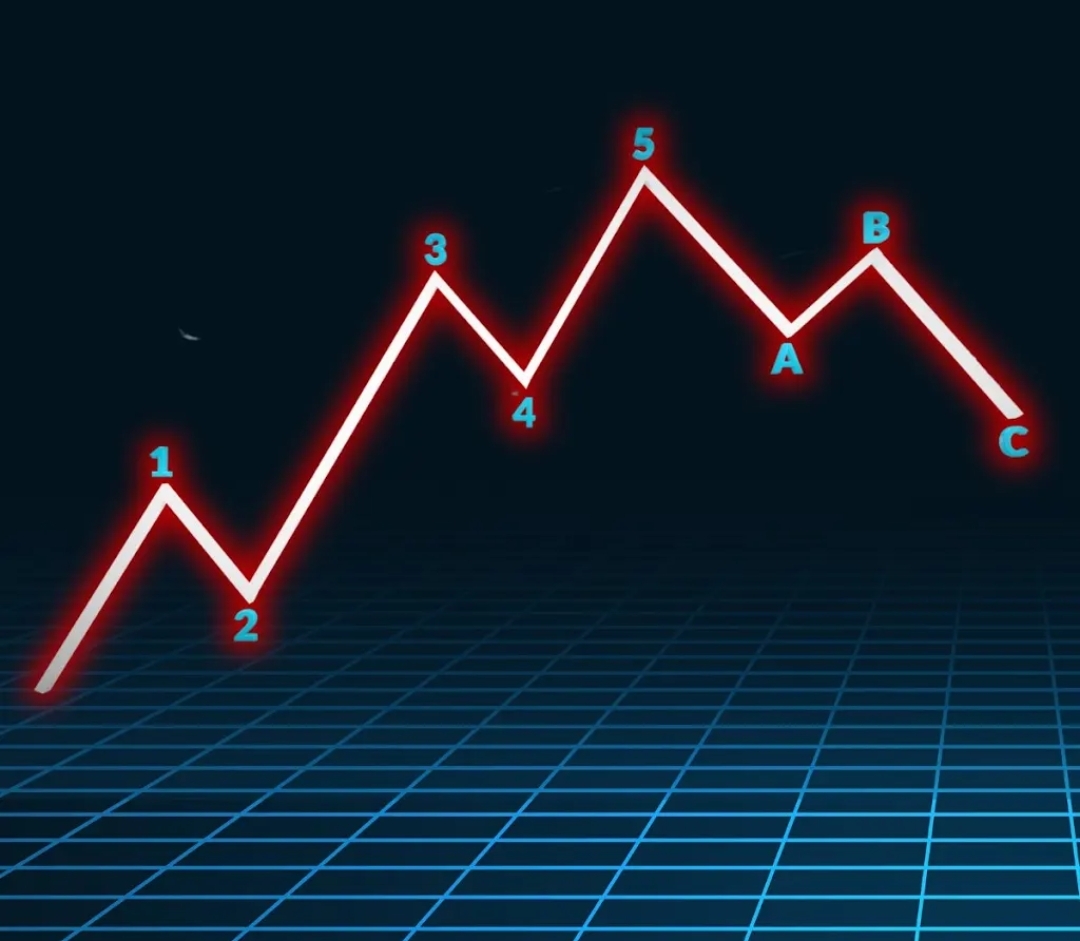
That's not how Elliott Wave works.
A five-wave move up is an important signal, but it is not a guarantee that a lasting low is already in place. What it tells us is that downside momentum has likely paused and that the market is attempting to change character.
The key part is what happens after the impulse.
If price follows the five-wave move with a controlled three-wave pullback that holds above the start of wave 1, the probability of a more durable low increases meaningfully. That's when structure starts to confirm.
If, however, price drops back below the start of wave 1, it simply tells us that the structure was not strong enough yet. In that case, the upside move gets reclassified as part of a larger corrective pattern, and the idea of a confirmed low is invalidated.
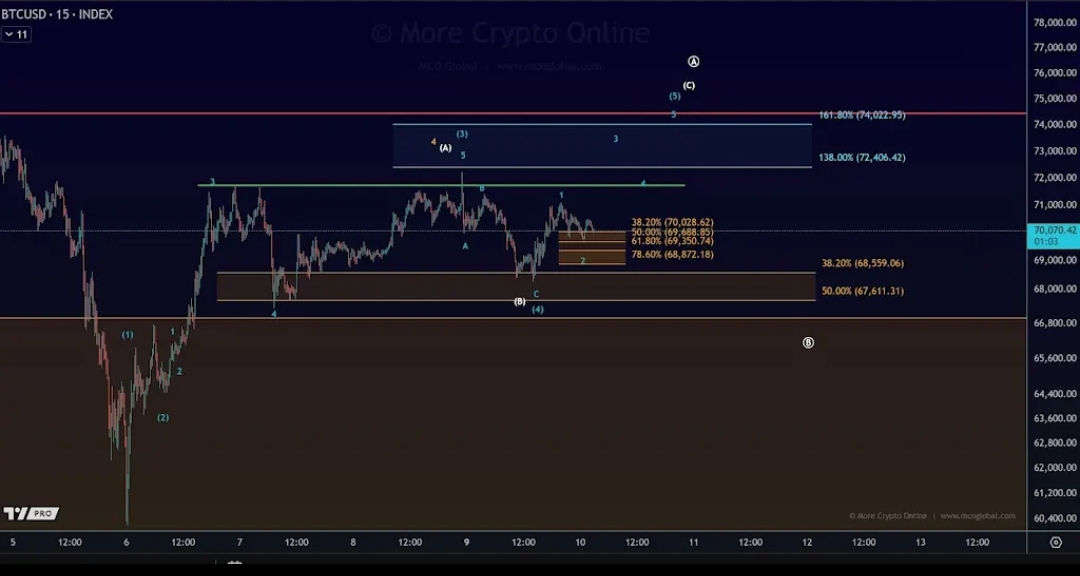
This is why Elliott Wave is not about being "right" or "wrong." It's about updating scenarios as new information comes in. A five-wave move improves the odds, but without follow-through, support levels can still break.
Confirmation comes from continuation, not from the impulse alone. The attached Bitcoin chart shows an example 5-wave move up in the making.


