


Liquidity is one of the most misunderstood words in trading.
It gets wrapped in:
fancy jargon
complex theories
“smart money” buzzwords
But liquidity is actually very simple.
And once you understand it,
price action suddenly makes a lot more sense.
Let’s break it down without hype 👇
🔸 1. What Liquidity Really Means
Liquidity is just orders.
Buy orders.
Sell orders.
Stop-loss orders.
Liquidations.
That’s it.
The market moves because orders exist.
No orders = no movement.
Price doesn’t move randomly.
It moves toward areas where many orders are clustered.
🔸 2. Where Liquidity Comes From
Liquidity mostly comes from retail behavior.
Retail traders tend to:
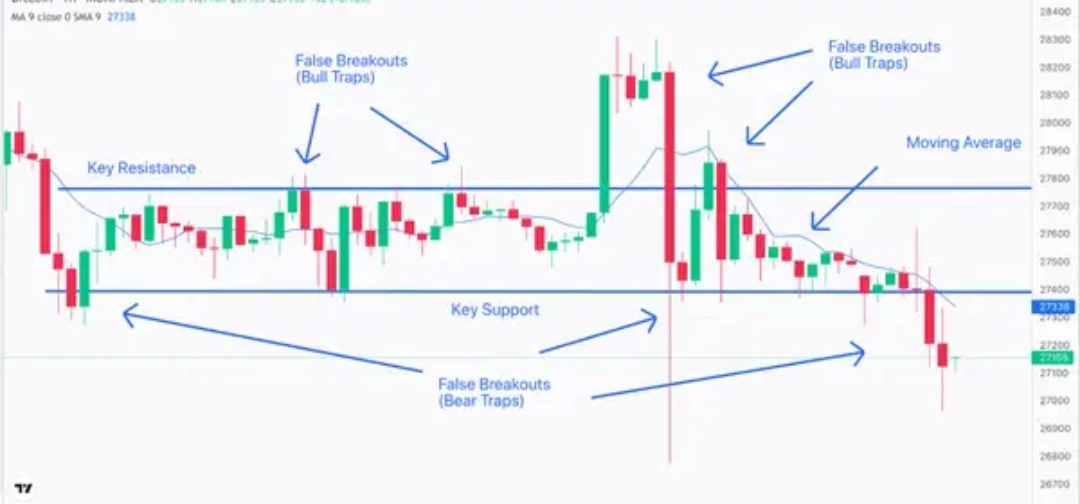
place stops at obvious levels
enter breakouts at obvious levels
put stops just above highs / below lows
think in round numbers
That creates predictable pools of orders.
Markets love predictability —
because predictability = liquidity.
🔸 3. The Most Obvious Liquidity Zones
Here’s where liquidity usually sits:
✅ Equal highs
Everyone shorts → stops above highs
✅ Equal lows
Everyone longs → stops below lows
✅ Range highs & lows
Breakout traders + trapped traders
✅ Trendline breaks
Stops and FOMO entries
✅ Round numbers
Human psychology loves them
If you can spot these,
you can often anticipate where price wants to go before it gets there.
🔸 4. Why Price Often Moves “Illogically”
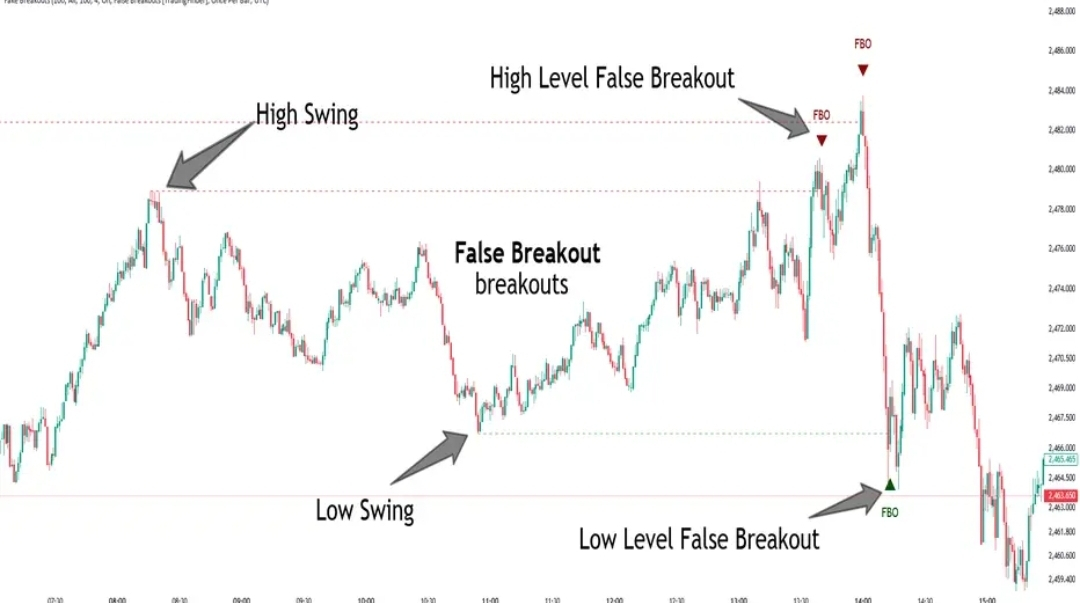
Ever seen price:
spike up suddenly
hit a level
reverse instantly
That’s not chaos.
That’s price:
👉 grabbing liquidity
👉 filling large orders
👉 then moving in the real direction
The grab looks aggressive because it needs speed to trigger stops.
After liquidity is taken,
movement often becomes smoother.
🔸 5. Liquidity Is NOT Direction
This is critical.
Liquidity tells you:
where price may go
It does NOT tell you:
where price will continue
Price may run liquidity just to reverse.
Or run it to continue.
That’s why liquidity alone is not a strategy —
it’s context.
🔸 6. Why Your Stop Keeps Getting Hit
Most retail stops are:
obvious
tight
predictable
So price doesn’t “hunt you” personally.
It moves to where:
many stops exist
many orders can be filled efficiently
If your stop is where everyone else puts it,
you’re standing in a crowd.
And crowds get run through.
🔸 7. How Professionals Use Liquidity
Experienced traders don’t chase liquidity blindly.
They:
identify liquidity zones
wait for price reaction
look for confirmation
enter AFTER liquidity is taken
They let impatient traders provide the fuel.
🔸 8. Simple Ways to Use Liquidity Practically
✔ Avoid placing stops at obvious highs/lows
Add logic + buffer.
✔ Be cautious entering at obvious breakouts
That’s where liquidity is thick.
✔ Expect volatility near equal highs/lows
Noise first, clarity later.
✔ Combine liquidity with structure
Liquidity + structure = high-quality context.
🔸 9. A Mental Shift That Helps a Lot
Stop asking:
“Why did price do this?”
Start asking:
“Where were the orders?”
Markets don’t move on emotions.
They move on order flow.
Liquidity isn’t manipulation.
It’s mechanics.
Price moves where orders exist.
And most orders sit where traders feel “safe.”
Once you understand this:
fakeouts make sense
stop-outs feel less personal
entries become more patient
structure becomes clearer
You stop reacting —
and start anticipating.
Educational content. Not financial advice.


