Blockchain technology has evolved far beyond its original use case as the foundation of Bitcoin. Today, it stands at the center of a rapidly transforming financial ecosystem, redefining how value is created, transferred, and stored. At the core of this evolution are Layer 1 blockchains—the base-layer networks that process and finalize transactions directly on their own chains. These foundational networks are driving the growth of decentralized finance (DeFi), digital asset tokenization, and global financial inclusion, while also attracting institutional interest and large-scale adoption.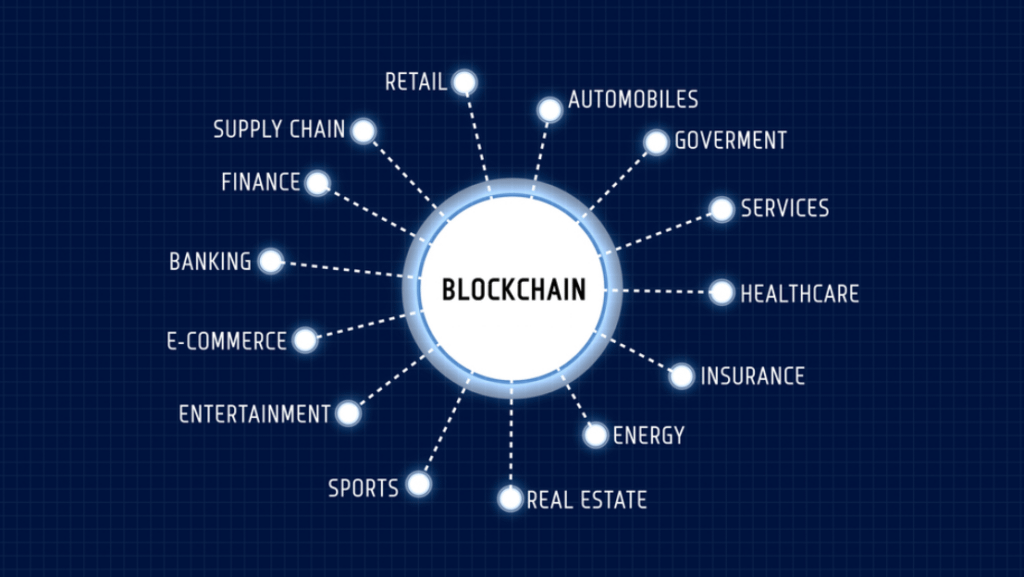
Projects such as @plasma, powered by the XPL token, are part of this broader movement that seeks to enhance the capabilities of Layer 1 blockchains and unlock their full potential. With scalability, decentralization, and security as guiding principles, Layer 1 solutions are becoming essential building blocks for the future of financial markets. #plasma
Understanding Layer 1 Blockchains
Layer 1 blockchains are the primary networks where transactions are validated and recorded. Examples include Bitcoin, Ethereum, Solana, Avalanche, Cardano, and emerging networks focused on performance and interoperability. Unlike Layer 2 solutions, which operate on top of existing blockchains, Layer 1 networks handle consensus, data availability, and security natively.
These blockchains are responsible for maintaining the integrity of decentralized systems. Their design choices—such as consensus mechanisms, block size, transaction throughput, and validator structures—directly influence network performance and user experience.
Scalability: Meeting the Demands of Global Finance
One of the most significant challenges in blockchain adoption has been scalability. Traditional financial systems process tens of thousands of transactions per second, while early blockchains struggled to handle even a fraction of that volume.
Modern Layer 1 blockchains are addressing scalability through innovations such as:
High-performance consensus mechanisms like Proof of Stake (PoS) and variations such as Delegated Proof of Stake (DPoS)
Parallel transaction processing and optimized virtual machines
Sharding and modular architectures
These advancements allow networks to support higher throughput without compromising decentralization. For DeFi platforms, this means faster trades, lower fees, and smoother user experiences. For projects like @undefined and the XPL ecosystem, scalable infrastructure enables the creation of complex financial products that can operate at global scale.
Decentralization: Preserving Trust and Transparency
Decentralization is the cornerstone of blockchain’s value proposition. By distributing control among thousands of independent validators or nodes, Layer 1 blockchains eliminate single points of failure and reduce reliance on centralized intermediaries.
This decentralized structure ensures:
Censorship resistance
Permissionless access
Transparent and verifiable transactions
In financial markets, decentralization levels the playing field. Anyone with an internet connection can access DeFi protocols, trade assets, or provide liquidity. This open access challenges traditional gatekeepers and introduces a more inclusive financial model.
Security: Protecting Digital Value
Security is non-negotiable in financial systems. Layer 1 blockchains secure billions of dollars in digital assets, making robust security mechanisms essential.
Key security features include:
Cryptographic encryption
Decentralized consensus
Economic incentives for honest behavior
Leading Layer 1 networks continuously upgrade their protocols to resist attacks and vulnerabilities. As institutional investors enter the space, confidence in these security models strengthens, reinforcing blockchain’s credibility as a foundation for global finance.
Enabling Decentralized Finance (DeFi)
DeFi represents one of the most transformative applications of Layer 1 blockchains. By eliminating intermediaries, DeFi platforms offer services such as lending, borrowing, trading, and yield generation directly on-chain.
Layer 1 blockchains enable DeFi by providing:
Smart contract functionality
Low-latency transaction processing
Reliable data availability
Ethereum pioneered the DeFi movement, while networks like Solana and Avalanche introduced high-speed alternatives. Newer ecosystems, including those associated with @undefined and XPL, aim to combine performance with accessibility, helping DeFi reach mainstream users.
Tokenization of Real-World Assets
Layer 1 blockchains are also driving the tokenization of real-world assets such as real estate, commodities, equities, and bonds. Tokenization converts physical or traditional financial assets into digital tokens that can be traded on blockchain networks.
Benefits include:
Fractional ownership
Increased liquidity
Reduced settlement times
Lower operational costs
By enabling asset tokenization, Layer 1 blockchains bridge traditional finance and decentralized ecosystems. This integration opens new investment opportunities and creates more efficient capital markets.
Advancing Global Financial Inclusion
Billions of people worldwide remain unbanked or underbanked. Layer 1 blockchains provide an alternative financial infrastructure that bypasses traditional banking systems.
Through mobile wallets and decentralized applications, individuals can:
Store and transfer value
Access credit and savings tools
Participate in global markets
For emerging economies, blockchain-based finance can reduce dependency on unstable local currencies and expensive intermediaries. Projects like @plasma, supported by XPL, contribute to building accessible and affordable financial tools for underserved communities.
Transforming Cross-Border Payments and Remittances
Cross-border payments are often slow, costly, and opaque. Layer 1 blockchains offer near-instant settlement with minimal fees, making them ideal for international transfers.
Key advantages include:
Real-time settlement
Transparent transaction tracking
Lower costs compared to traditional systems
Remittances play a vital role in many economies, and blockchain-based solutions can significantly increase the amount of money that reaches recipients. This efficiency positions Layer 1 blockchains as a strong alternative to legacy payment rails.
Challenges Facing Layer 1 Blockchains
Despite their promise, Layer 1 blockchains face several challenges:
Scalability vs. decentralization trade-offs
Energy consumption concerns
Regulatory uncertainty
User experience complexity
Potential solutions include:
Transitioning to energy-efficient consensus models
Modular blockchain designs
Improved wallet interfaces and onboarding processes
Collaboration with regulators to establish clear frameworks
Continuous innovation is helping Layer 1 networks overcome these obstacles.
Long-Term Impact on the Global Financial Ecosystem
Layer 1 blockchains are not merely incremental improvements—they represent a paradigm shift. Over time, they may:
Redefine how assets are issued and traded
Replace outdated settlement systems
Enable programmable money and automated compliance
As blockchain infrastructure matures, financial markets will become more open, efficient, and interconnected.
Institutional Adoption and New Opportunities
Institutional investors are increasingly entering the crypto space, attracted by the growth of Layer 1 ecosystems, tokenization, and DeFi. Major financial institutions are exploring blockchain-based settlement systems, custody solutions, and digital asset offerings.
This influx of capital accelerates innovation and strengthens market legitimacy. For projects like @undefined and the XPL token, institutional interest can drive ecosystem expansion and long-term sustainability.
Conclusion
Layer 1 blockchains are laying the foundation for a new financial era—one defined by decentralization, transparency, and global accessibility. By powering DeFi, enabling asset tokenization, improving cross-border payments, and fostering financial inclusion, these networks are reshaping how the world interacts with money.
As technological advancements continue and adoption grows, Layer 1 blockchains will play an increasingly central role in the global financial system. With visionary projects such as @Plasma and the evolving $XPL ecosystem, the future of finance looks more open, efficient, and inclusive than ever before. #Plasma