
When I first looked into Vanar, the thing that stood out wasn’t the AI narrative, the ecosystem names, or even the transaction numbers. It was something much quieter, almost boring enough to ignore: the way the chain refuses to let fees behave like a free market.
That’s an unpopular stance in crypto, and I think Vanar is right to take it.
Most blockchains treat fees as a price discovery mechanism. Whoever values block space more in that moment pays more. In theory, that’s elegant. In practice, it turns infrastructure into a live auction where costs fluctuate based on speculation, congestion, and mood. Traders tolerate that. Products don’t.
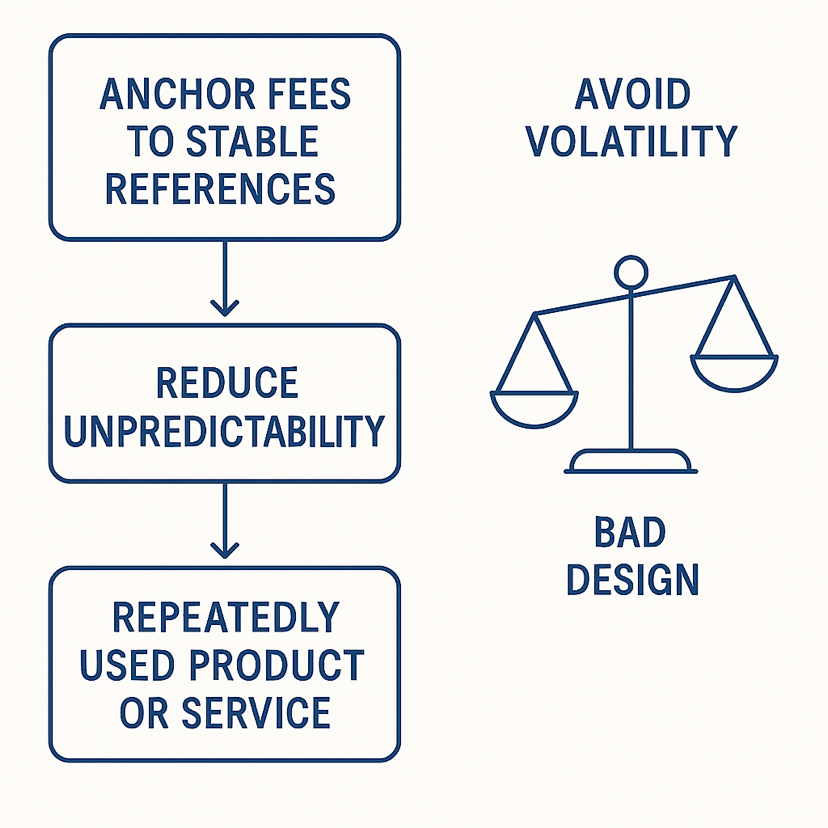
Vanar’s decision to anchor fees to stable references and actively recalibrate them at the protocol level is not neutral. It’s an opinion. It says that unpredictability is not a feature, it’s a liability. And it willingly gives up a certain kind of economic “purity” to eliminate that liability.
I agree with that trade-off.
If you’re building something meant to be used repeatedly — a game economy, a digital marketplace, or an automated service — you cannot design around volatility. You can’t tell users “sometimes this action costs nothing, sometimes it costs ten times more.” That’s not decentralization. That’s bad product design.
Looking at Vanar’s on-chain activity reinforces this perspective. The sheer volume of transactions and blocks doesn’t scream speculative frenzy. It suggests repetition. Small actions happening over and over again. That’s exactly the kind of pattern you’d expect when fees stop being something you need to think about.
Here’s where my opinion gets sharper: I think most crypto users underestimate how hostile fee auctions are to real adoption. They’ve normalized friction because they’ve learned to work around it. Normal users don’t. They just leave.
Vanar seems to be built by people who’ve accepted that reality.
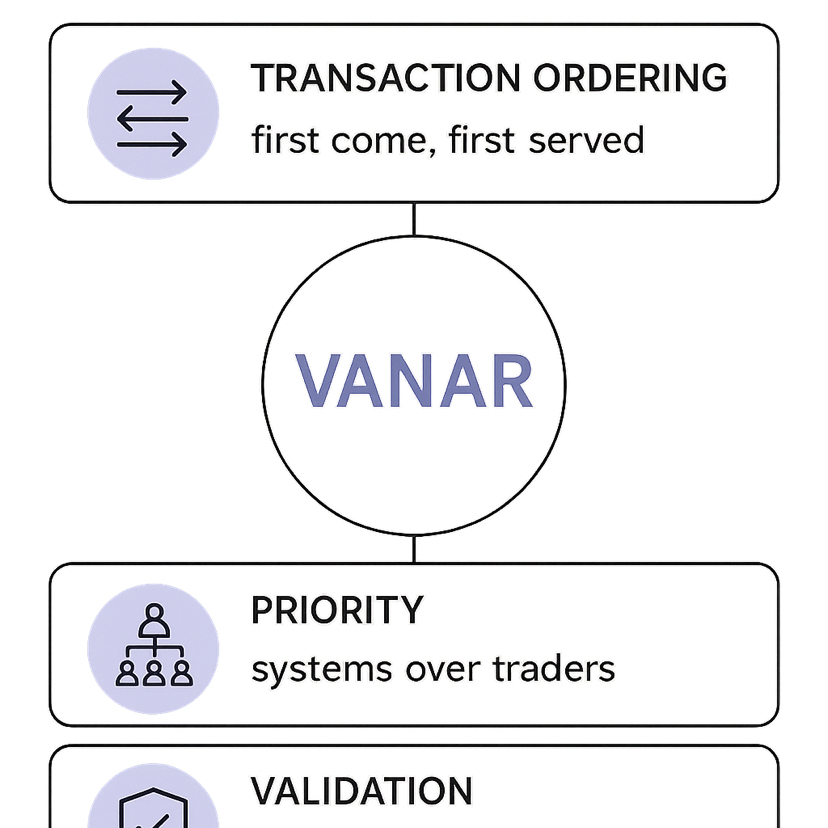
This philosophy bleeds into other design choices too. Transaction ordering on Vanar avoids priority bidding. First in, first out. No racing. No gas wars. That’s a terrible experience if you’re trying to front-run or snipe arbitrage. It’s an excellent experience if you’re running automation or background processes that need consistent execution.
Again, Vanar chooses systems over traders. Deliberately.
The validator model is another place where this opinionated stance shows. Vanar doesn’t pretend that immediate, full permissionlessness is the highest good. Validation is structured to emphasize responsibility and uptime, with decentralization evolving through staking and reputation rather than instant openness.
I know that makes some people uncomfortable. But pretending all use cases value the same form of decentralization is dishonest. Enterprises, brands, and consumer platforms care far more about accountability than ideology. Vanar is clearly optimizing for that audience, not for maximal applause from crypto purists.
Even Neutron, which often gets framed as an AI or data innovation, fits this same pattern when you strip the buzz away. It’s not about intelligence. It’s about memory. About making context small, verifiable, and reusable. That’s not exciting — it’s useful. Systems need to remember what happened before they act again. Most chains don’t help with that at all.
And yes, this approach has downsides. Managed fees require governance. Stable execution requires oversight. Reputation-based systems can ossify if they’re not carefully designed. Vanar is betting that these risks are easier to manage than the chaos of fully market-driven infrastructure.
I think that’s a reasonable bet.
$VANRY reflects this same restraint. It doesn’t dominate the narrative. It doesn’t pretend to be the reason everything exists. It pays for execution, secures the network, and moves where usage goes — including across chains. That’s not exciting tokenomics. It’s aligned tokenomics.
My honest take is this: Vanar will never be the loudest project in the room. Its design decisions actively prevent that. But if blockchains are going to support real products instead of endless speculation, more of them will need to make the same unpopular choices.
And Vanar has already made them.
Whether that earns attention or not is secondary. Infrastructure that works doesn’t need to win arguments. It just needs to keep running.
