

When you look at Vanar closely, it doesn’t feel like a project trying to win attention. It feels like something shaped by experience by people who have already seen how awkward blockchains can be once you move past demos and try to serve real users. Instead of asking how to impress crypto natives, Vanar seems to ask a quieter question: what would this look like if users never had to care that it’s a blockchain at all?
Most Layer 1s still assume a certain kind of user. Someone who understands gas, tolerates variable fees, and accepts that sometimes the system behaves in strange ways. Vanar flips that assumption. It treats those behaviors as friction, not as rites of passage. The goal isn’t to educate users into crypto habits, but to design infrastructure that adapts to normal product expectations.
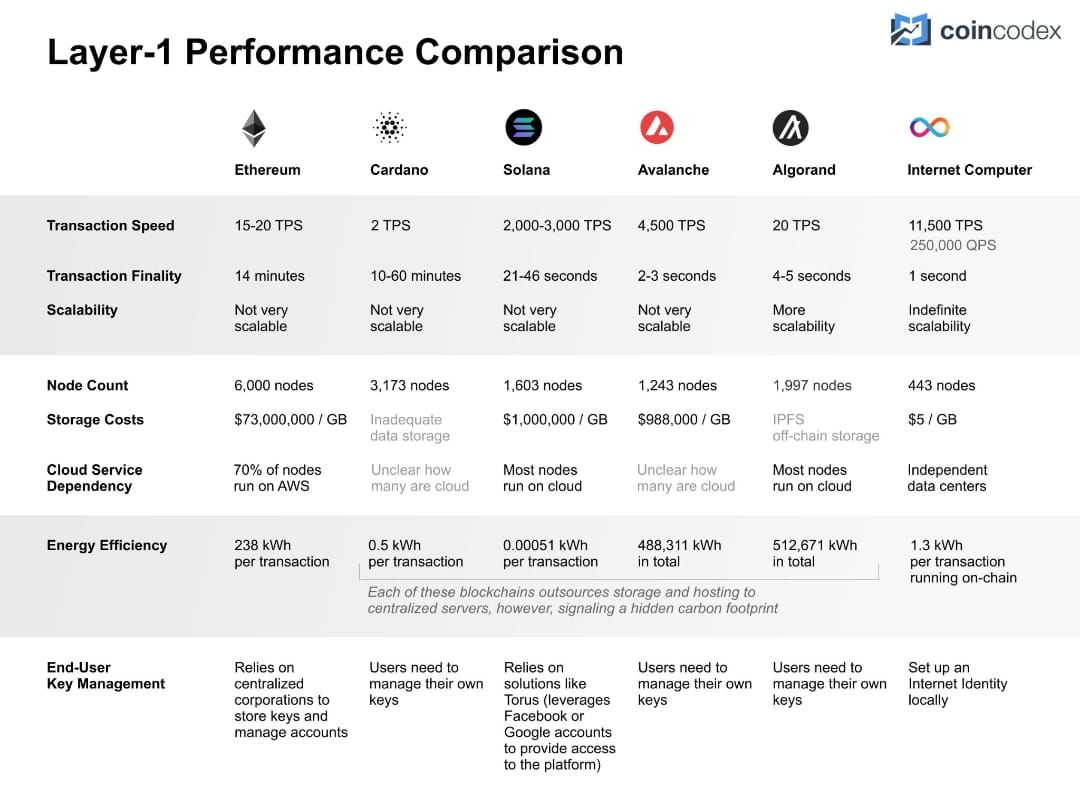
That mindset shows up clearly in Vanar’s approach to fees. Fixed, predictable transaction costs aren’t exciting in a marketing sense, but they’re transformative for builders. Games, consumer apps, and branded experiences live and die by predictability. When costs behave randomly, design breaks. By anchoring fees to a stable value and handling volatility behind the scenes, Vanar is making a statement: cost uncertainty should never leak into the user experience.
Onboarding follows the same logic. Vanar doesn’t treat wallets as a sacred starting point. The emphasis is on letting people enter through familiar flows and encounter blockchain benefits only when they actually matter. That approach can make purists uncomfortable, but it mirrors how every successful technology has scaled in the past. Nobody learned how the internet worked before using it. They just used it.
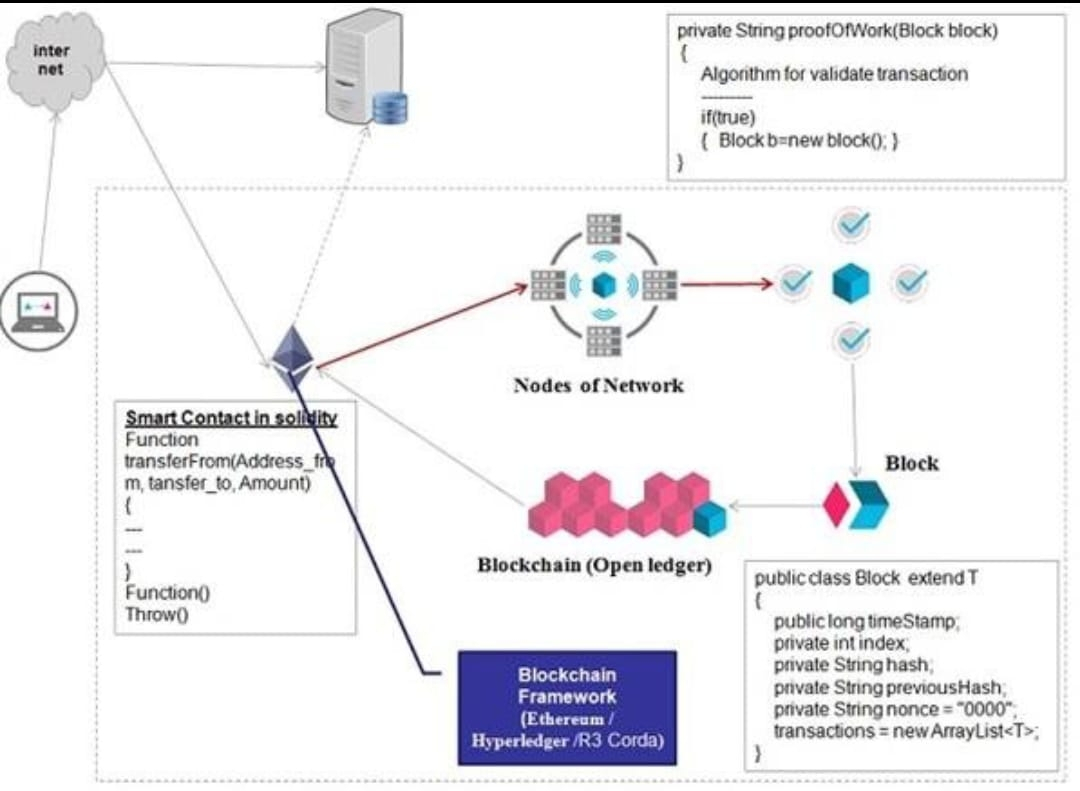
Where Vanar starts to feel more ambitious is in how it thinks about data. Instead of viewing the chain as a place where information goes to be stored forever, Vanar is exploring how on-chain data can remain usable over time. Concepts like Neutron and Kayon point toward a system that remembers things in a way applications can work with — enabling automation, compliance logic, and AI-driven behavior without forcing everything off-chain. If that direction holds, the chain becomes less like a ledger and more like a memory layer.
The on-chain activity supports that story. High transaction counts and large numbers of addresses don’t look like speculative bursts. They look repetitive and routine. That’s exactly what you’d expect from ecosystems built around games, digital goods, and background actions — environments where users interact frequently and nobody wants to think about fees every time they click.
The $VANRY token fits into this picture without drama. It exists to power the system, secure it, and align participants. It doesn’t need to be the star of the experience. In fact, the best outcome for a consumer-first chain is that most users barely notice the token at all. When infrastructure works well, it fades into the background.
What ultimately separates Vanar from many other chains isn’t a single breakthrough feature. It’s the accumulation of small, pragmatic choices that all point in the same direction. Stable costs instead of auctions. Familiar onboarding instead of forced crypto literacy. Data that’s meant to be reused, not just archived. These aren’t the decisions you make when your audience is other blockchains. They’re the decisions you make when your audience is players, fans, brands, and developers who just want reliable systems.
If many L1s still feel like experiments, Vanar feels like infrastructure that’s trying to grow up early. That doesn’t guarantee success. But if Web3 ever becomes something people use without thinking about it, it’s hard to imagine that happening without more projects making the same kinds of unglamorous, user-first decisions Vanar is making now.
#vanar #Vanar $VANRY @Vanarchain
