

When I think about Plasma, I don’t think about it as a chain trying to win market share. It feels more like a team asking a narrower, harder question: what would stablecoin payments look like if they were designed as core infrastructure instead of an add-on feature? That framing changes almost every decision that follows.
Most blockchains still treat payments as something that happens on top of the system. The base layer is optimized for flexibility, experimentation, or DeFi composability, and payments inherit whatever UX comes along for the ride. Plasma flips that. It starts from the assumption that stablecoins are already doing real work in the world, and that the infrastructure underneath them should behave more like plumbing than a playground. Quiet, predictable, and reliable.
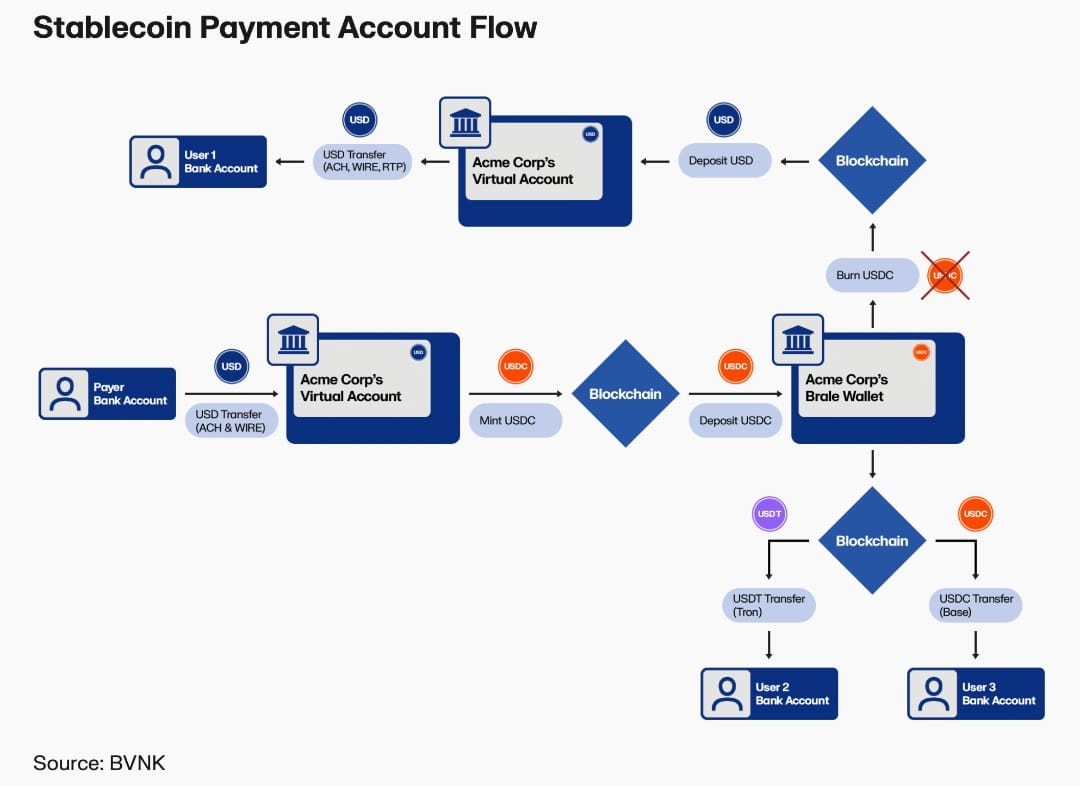
That perspective explains why Plasma doesn’t obsess over headline-grabbing metrics. A few transactions per second and one-second blocks don’t sound impressive in crypto terms, but they start to make sense when you look at what those transactions represent. The on-chain patterns feel repetitive and routine, closer to people paying people than traders chasing yields. That kind of activity doesn’t spike; it accumulates.
The gasless USDT design is where Plasma’s thinking becomes most visible. Instead of treating gas abstraction as a marketing trick, Plasma narrows the promise. It doesn’t say everything should be free. It says the most common action on the network sending a dollar-denominated stablecoin should not force users to touch a volatile asset first. That choice quietly lowers the barrier for entire classes of users who only think in fiat terms. It’s not about convenience alone; it’s about who the system is realistically accessible to.
Plasma’s decision to stay fully EVM-compatible reinforces that same pragmatism. There’s no attempt to reinvent execution or push developers into unfamiliar environments. Using a mature stack like Reth isn’t exciting, but it is credible. For infrastructure that wants to be trusted by institutions and payment platforms, familiarity matters more than novelty. People don’t want to experiment with settlement rails; they want them to work.
Fast finality plays a similar role. It’s easy to talk about it as speed, but speed isn’t the real win. Finality is about certainty. In payments, uncertainty creates friction everywhere—buffers, delays, reconciliation steps, and manual checks. Shrinking the time spent waiting for “is this actually settled?” makes the system feel less like crypto and more like real-time software. That’s a subtle difference, but at scale it’s enormous.
The Bitcoin anchoring narrative fits into this picture as well. It’s less about raw security and more about legitimacy. Stablecoin settlement lives in a sensitive political and regulatory space. By tying its credibility to Bitcoin’s neutrality, Plasma is signaling where it wants long-term trust to come from. Whether that holds under pressure is still unproven, but the intent is clear: don’t anchor credibility to fast-moving governance or short-term narratives.
What ultimately makes Plasma feel serious is how unexciting the activity looks. There’s no obvious hype cycle in the transaction flow, no sharp bursts followed by silence. Just steady usage that repeats. Payments that work don’t generate stories; they generate habits. That kind of boring consistency is difficult to fake and hard to manufacture through incentives alone.
The $XPL token sits behind all of this in a deliberately understated role. It secures the network, aligns validators, and supports long-term growth, even as the user experience tries to hide it wherever possible. Plasma isn’t pretending native tokens aren’t necessary. It’s just acknowledging that end users shouldn’t need to care. The token is machinery, not interface.
None of this removes the hard questions. Gasless systems still need funding. Stablecoin-first design still runs into issuer control and regulatory realities. Plasma hasn’t escaped those trade-offs; it has chosen to confront them at the protocol level instead of exporting them to users. That’s a quieter ambition than “changing finance,” but it may be a more realistic one.
If Plasma succeeds, most people using it won’t know its name. They’ll just notice that sending stable value feels routine, predictable, and uneventful. In a space obsessed with excitement, Plasma seems comfortable aiming for something else entirely: becoming invisible infrastructure that people rely on without thinking about it.

