
Most days money moves quietly in the background. Salaries arrive. Invoices are paid. Suppliers settle accounts. When everything works nobody notices the system underneath. Only when something is delayed or unexpectedly expensive do we become aware of how fragile money movement can feel. This quiet dependency is where stablecoins have slowly found their real role not as speculative instruments but as financial plumbing.
What often gets overlooked is that many blockchains were not designed for this kind of invisibility. They were built to showcase possibility. Smart contracts. Tokens. New forms of coordination. Stablecoins were added later riding on infrastructure that was meant to do many things at once. Plasma approaches the problem from the opposite direction. It begins with a simple almost boring question: how should money move if the only goal is reliability?
A helpful comparison is public transport. A good transit system is not exciting. It does not try to impress. It succeeds when trains arrive on time so consistently that people stop thinking about them. Plasma feels closer to that mindset. Sub second finality is not about speed for its own sake. It is about certainty. When settlement is clear and predictable people can plan. When they can plan they can scale.
This matters more than it seems. In finance, uncertainty quietly adds cost everywhere. Companies hold extra capital just in case. Operations teams add manual checks. Risk managers slow processes to stay safe. When settlement becomes dependable, those pressures ease. Liquidity moves more freely. Systems simplify instead of becoming heavier.
Even ideas like gasless stablecoin transfers make more sense when viewed this way. They are not convenience tricks. They reflect how real financial workflows already think. When someone sends dollars they expect costs to be measured in dollars. Plasma aligns its mechanics with that reality instead of asking users to adopt abstract habits that exist only for the system’s benefit.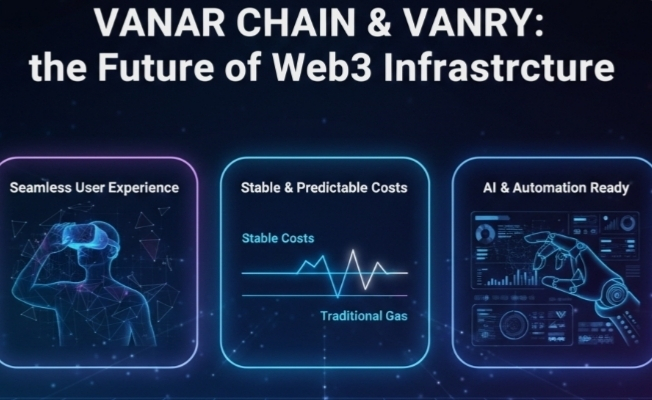
The security model follows the same thinking. Anchoring trust to Bitcoin is not about branding or narrative. It is about inheritance of credibility. Serious financial systems care less about how things work on a good day and more about what happens when assumptions are tested. Bitcoin acts as a reference anchor mostly invisible but always present as a source of final trust.
Looking at the wider picture Plasma fits into a broader shift across crypto. Speculation rises and falls but stablecoin usage continues to grow especially in regions where banking is slow restrictive or unreliable. In those places stablecoins are not ideological tools. They are practical ones. Payroll. Remittances. Treasury flows. These use cases do not demand novelty. They demand consistency.
Plasma’s real significance may be philosophical rather than technical. It treats money movement as infrastructure not entertainment. It assumes adoption comes from quiet reliability not excitement. From systems that work so well that people forget they are there.
That may be the clearest sign of maturity in this space. When blockchain stops asking to be noticed and starts behaving like infrastructure it moves closer to the role money has always played in real life. Essential. Invisible. Trusted.


