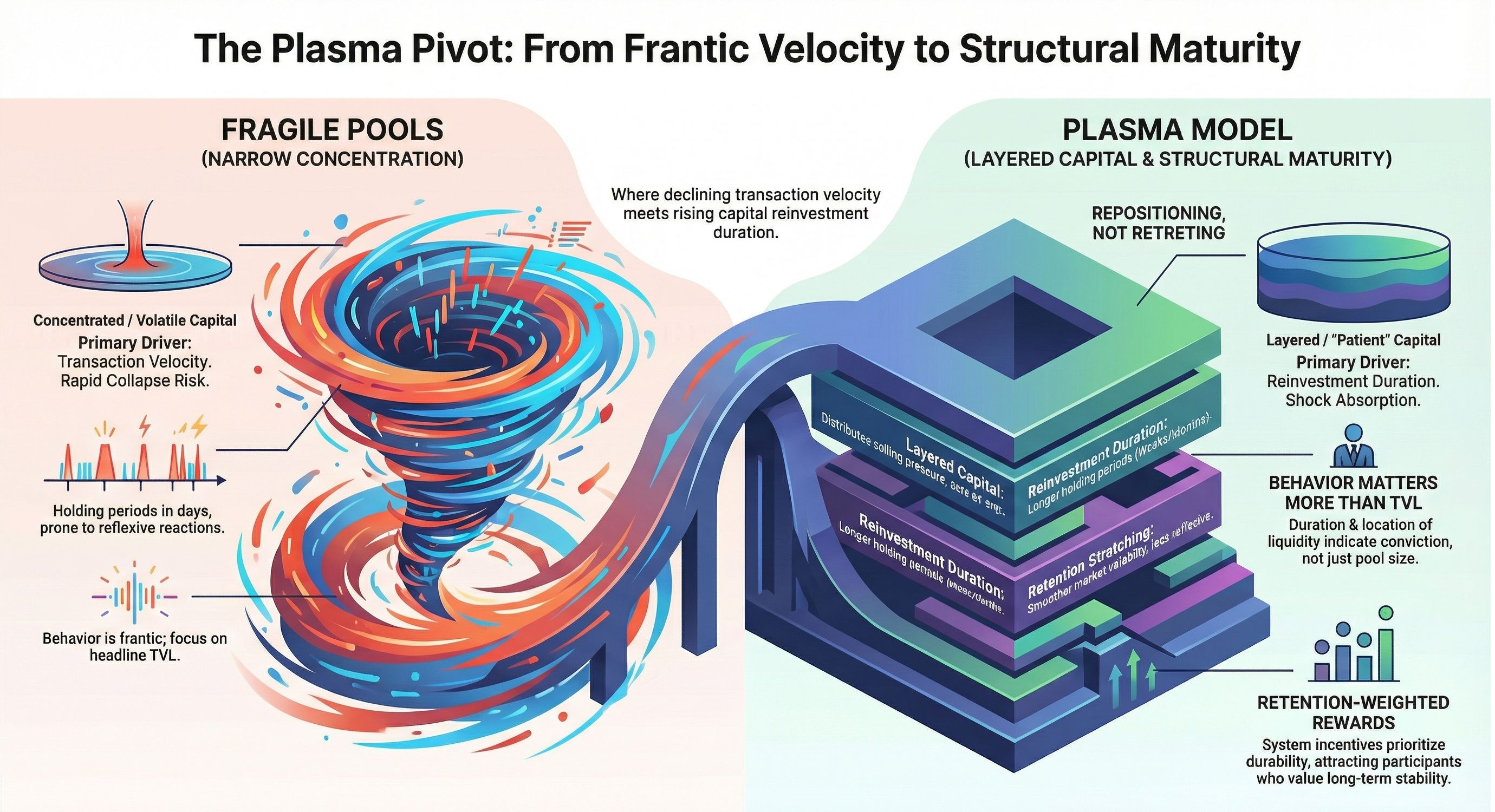
The Market Is Repositioning, Not Retreating
Lately, when I look at @Plasma order books, I don’t see panic. I see distance.
Liquidity has stepped slightly away from the midpoint. The books feel thinner near the spread, and at first glance that can look like hesitation. But to me, it feels more like a widened stance. Capital hasn’t vanished. It’s observing.
When bids and asks sit a little further out, I read that as recalibration. Participants are not scrambling. They’re measuring risk more carefully. That kind of pause has a different texture than fear. It’s quiet. It’s deliberate.
If this holds, it tells me the market is adjusting its posture, not retreating.
On-Chain Behavior Is Slowing in a Healthy Way
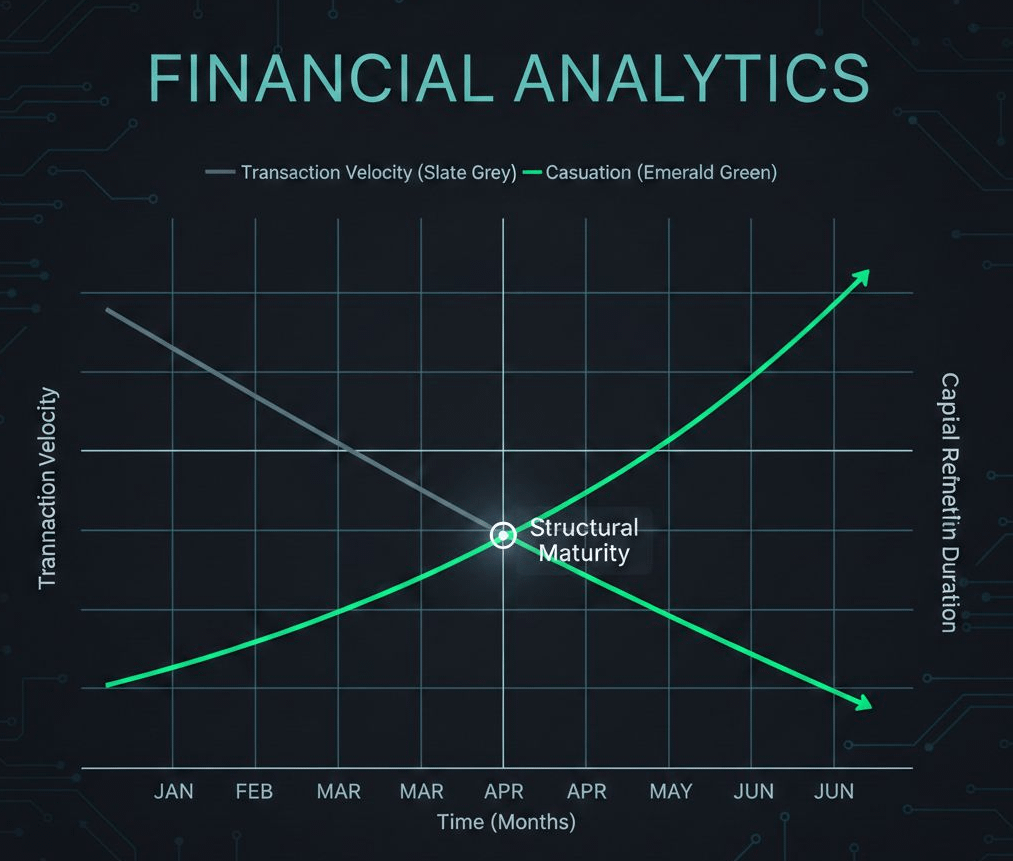
On-chain, I’ve noticed something similar. Transactions continue to flow, but the churn has eased. Wallets that once rotated liquidity quickly are holding positions longer.
Retention periods stretching from days into weeks matter. Duration changes behavior. When capital moves less frantically, price reactions often become less reflexive. That doesn’t eliminate volatility, but it can smooth the edges during stress.
Plasma’s incentives are part of this. They reward durability more than constant repositioning. Although this modification appears minor, it fundamentally alters the underlying structure of the pools.
The performance of this structure under conditions of a sharp downturn has yet to be determined.Still, early signs suggest patience is replacing velocity.
How This Reshapes Plasma Pools
When I think about parked capital, I think about shock absorption.
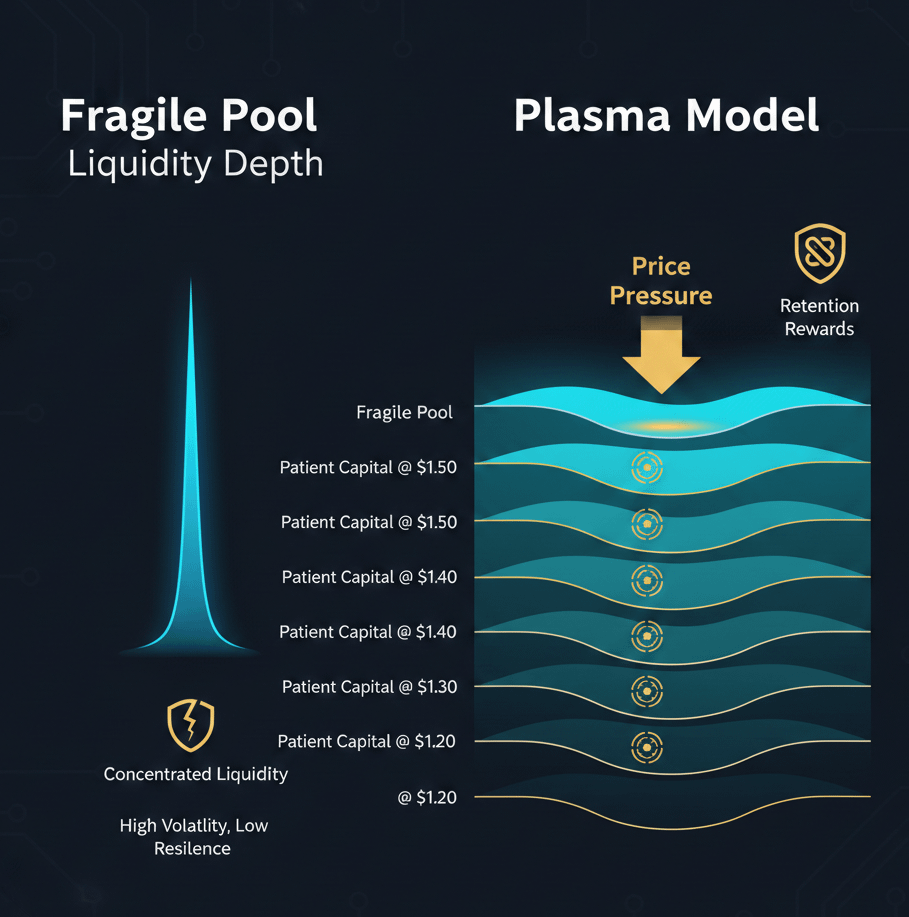
Liquidity that lingers across multiple price levels distributes pressure more evenly. Instead of empty gaps, there are layers. If selling picks up, price meets resting capital along the way rather than slicing through thin air.
Retention-weighted rewards reinforce this structure. Stability begins to attract participants who value stability. This process becomes self-perpetuating over time.
But I don’t ignore the risk. If incentives misalign or broader markets turn sharply, parked liquidity can leave quickly. Confidence can evaporate faster than it forms. Market structure is steady until it is tested.
The Shape of Liquidity Matters More Than the Size
I’ve stopped focusing only on headline TVL. Size alone doesn’t tell me much.
What matters more is where liquidity sits and how long it stays. A large pool concentrated near a narrow band can be fragile. A smaller pool with layered, patient capital can feel stronger.
I pay attention to quiet intervals. When activity slows and capital doesn’t rush for the exits, that says something. Conviction reveals itself in stillness more than in spikes.
Trust in markets is earned through duration. Price can recover quickly. Confidence usually cannot.
What This Means for XPL Contributors
If I’m contributing to XPL I watch behavior more than volume. Sustained participation during uneventful weeks tells me more than a sudden surge of transactions.
Longer retention windows hint at emerging structural confidence. Participants are not just chasing yield. They’re evaluating the foundation and deciding it’s steady enough to stay.
There are real risks. Incentives can distort behavior. Macro swings can overwhelm local structure. Liquidity that feels stable today can thin out tomorrow.
Still, what I’m seeing underneath the surface feels different. The system doesn’t look frantic. It looks measured.
For me, maturity in a market shows up when capital chooses to stay during the quiet stretches. When liquidity waits, I don’t assume weakness. I look for what it’s preparing for.