
Most blockchain projects obsess over speed.
Plasma obsesses over collapse.
That contrast isn’t cosmetic—it’s philosophical.
While the broader crypto space competes on transaction counts and latency benchmarks, Plasma starts from a more uncomfortable assumption: systems don’t fail occasionally, they fail inevitably. The only real question is whether users retain control when that moment arrives.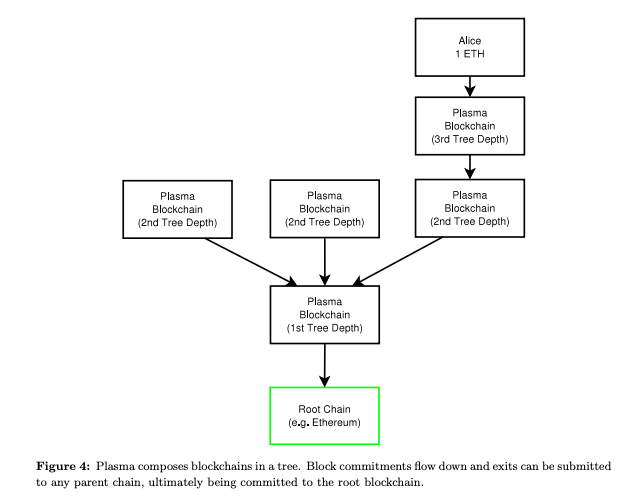
Plasma isn’t designed to look impressive during demos. It’s designed to remain credible during breakdowns.
Stablecoins Aren’t a Feature — They’re the Mission
The market has already spoken, even if narratives haven’t caught up.
Crypto’s dominant use case isn’t speculation, governance experiments, or complex DeFi loops. It’s simple, relentless demand for stable value transfer.
Plasma embraces that truth directly. Stablecoins aren’t treated as secondary assets that happen to exist on the network—they are the reason the network exists at all.
Instead of forcing users through bridges, native gas tokens, and fragmented onboarding paths, Plasma focuses on the most fragile moment in the entire lifecycle: entering the system. By connecting real-world payment rails straight into usable stablecoins, Plasma removes the “crypto learning curve” entirely.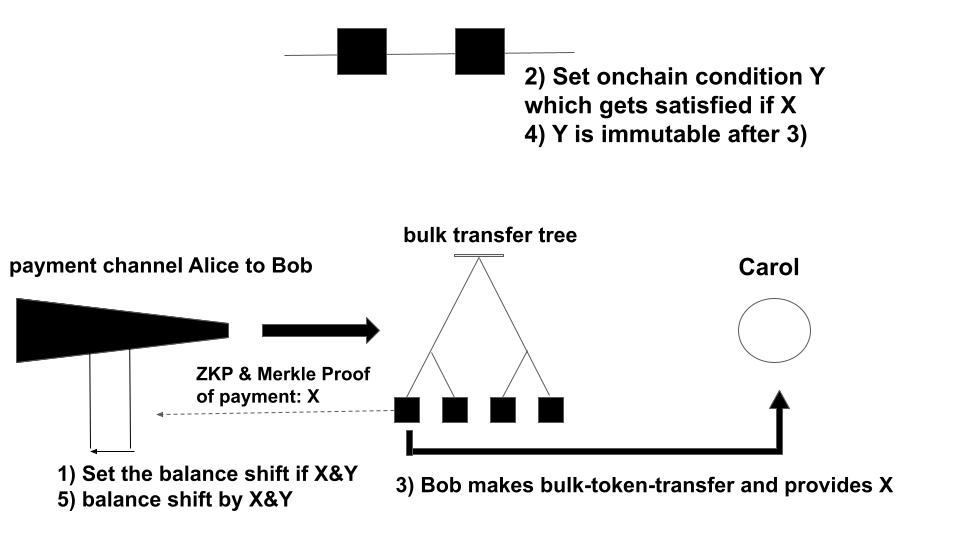
Value doesn’t arrive confused.
It arrives ready.
That shift quietly changes everything. When accessing stablecoins feels like accessing money rather than “using crypto,” adoption stops being aspirational and starts being natural.
Gasless by Design, Not by Gimmick
Gas fees aren’t just a cost—they’re a psychological barrier.
Plasma removes that barrier completely. Users don’t manage gas tokens. They don’t pre-fund wallets just to interact. The protocol absorbs that complexity behind the scenes.
This isn’t about pleasing power users. It’s about removing the last excuse for friction. At scale, even minor inconveniences become adoption killers. Plasma chooses invisibility over cleverness.
The best user experience is the one nobody notices.
The Real Differentiator: Enforced Exits
Here’s where Plasma stops sounding like a payments network and starts sounding like an ownership framework.
Most scaling systems function smoothly as long as operators behave and infrastructure remains cooperative. But decentralization isn’t proven during normal operation—it’s proven during failure.
What happens when operators go offline?
When withdrawals are paused?
When coordination breaks down?
Plasma answers these questions upfront.
Execution can happen off-chain for efficiency, but asset ownership remains anchored on the base layer. If the system stalls or operators misbehave, users don’t appeal, vote, or wait. They exit—unilaterally and permissionlessly.
This isn’t a contingency plan.
It’s the contract.
Why Plasma Was Ignored Before—and Why It Isn’t Now
Plasma never disappeared because it failed. It faded because it refused to lie.
Early Plasma designs required users to understand exit windows, challenges, and tradeoffs. At the time, the ecosystem preferred convenience—even if that convenience quietly replaced guarantees with trust.
Other systems offered instant gratification. Plasma offered accountability.
Years later, after repeated incidents of frozen withdrawals, paused bridges, and “temporary” restrictions becoming permanent, that honesty no longer feels inconvenient. It feels necessary.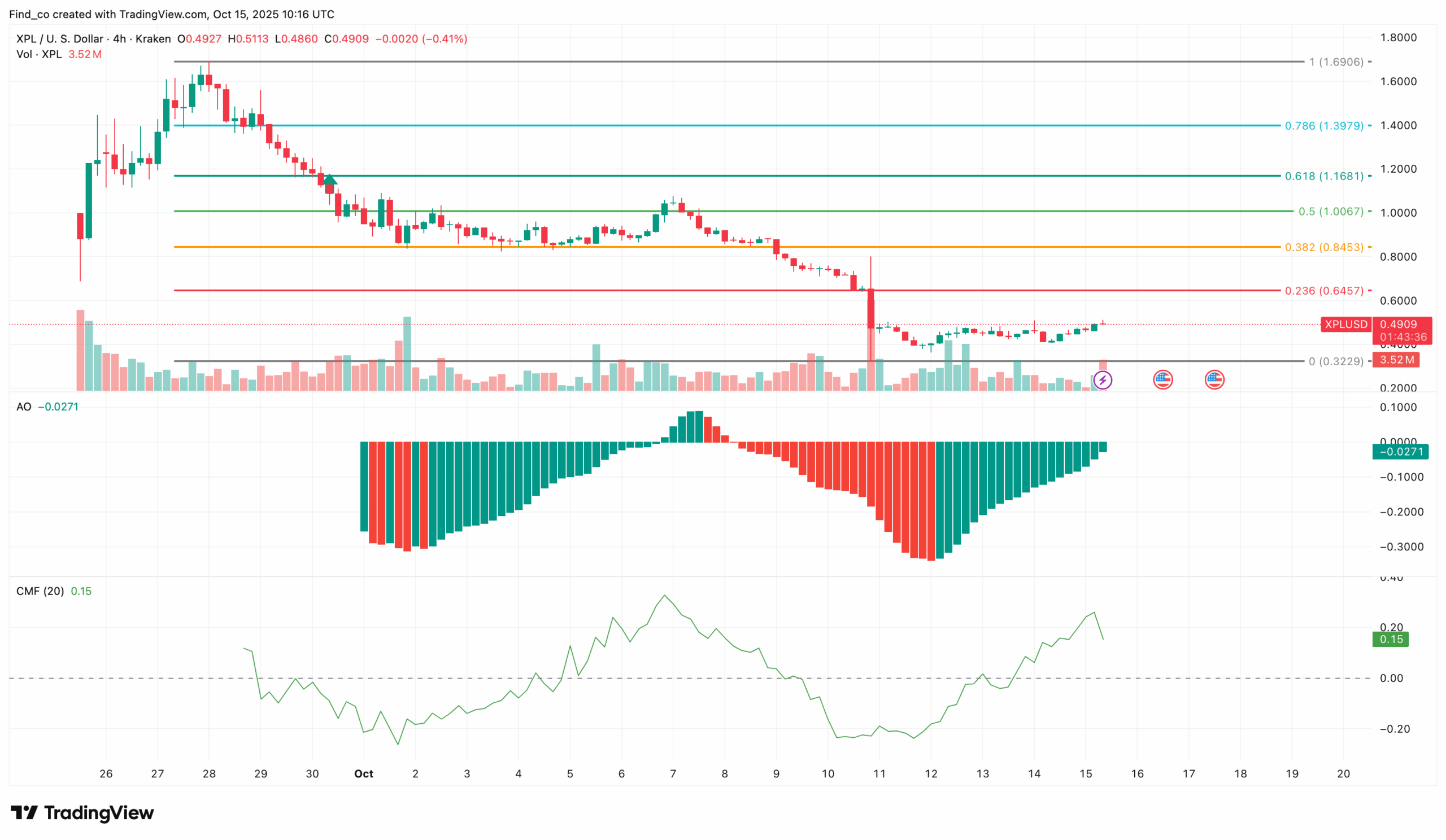
Centralization Doesn’t Arrive Loudly
Loss of control rarely comes with alarms.
It shows up as maintenance notices.
Risk flags.
Short-term safety measures.
By the time users realize they need permission to access their own assets, the system has already failed.
Plasma exists to prevent that realization from ever happening.
If exit is always available, ownership is real.
If it isn’t, performance metrics are decoration.
Redefining What Scaling Actually Means
Plasma challenges the industry’s definition of scaling.
Not:
How fast can transactions settle?
How many TPS can we advertise?
But:
Can users recover funds without coordination?
Does the system survive partial failure?
Are exits enforceable even when trust collapses?
If those answers aren’t solid, scaling is superficial.
Final Thought
Speed improves comfort.
Exit guarantees define sovereignty.
Plasma was built around that distinction long before it became fashionable. As stablecoins continue moving from speculative tools to financial infrastructure, systems that assume failure instead of denying it will outlast those built on optimism.
The strongest infrastructure is quiet when everything works—and unstoppable when it doesn’t.

