
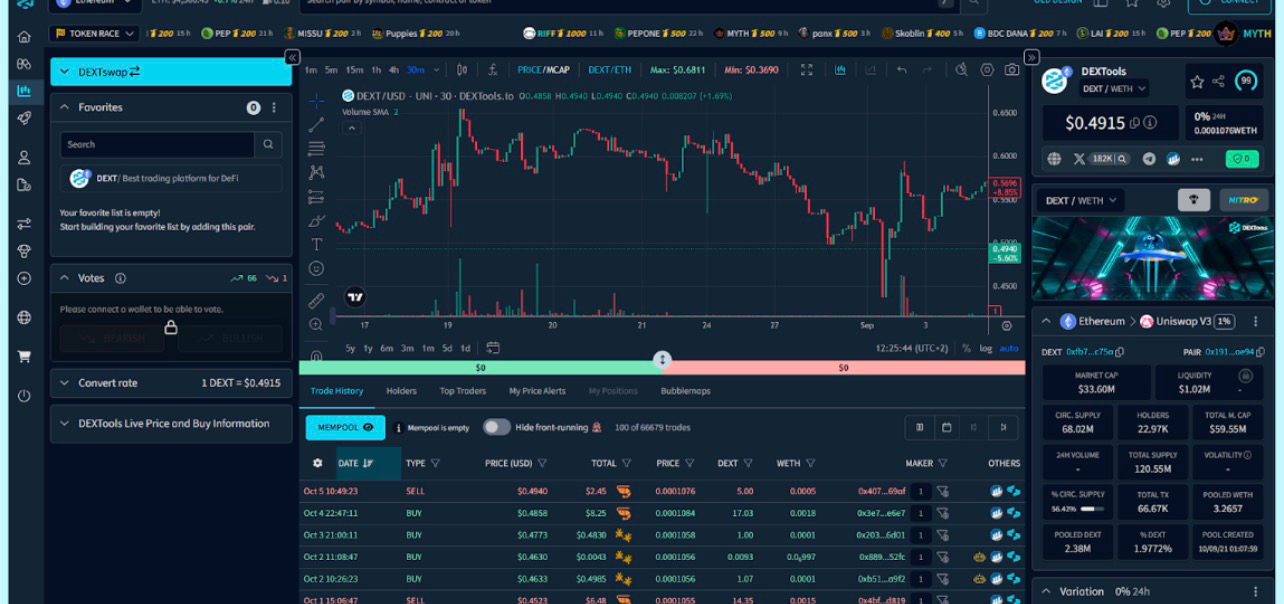
One thing a downtrend makes very clear is the difference between activity and usage. Activity is easy to create. Incentives, airdrops, and speculation can generate huge transaction numbers for a short period of time. But usage is different. Usage means people come back because they need the network, not because they’re being paid to be there.
That distinction is why I keep watching @Plasma .
Plasma’s direction suggests the goal isn’t to create bursts of activity, but to support consistent value transfer. Payments and stablecoin flows don’t rely on hype cycles. They rely on reliability. If a network can handle that kind of demand smoothly, usage tends to stick.
Another thing worth considering is how markets misprice infrastructure. During bullish periods, the loudest projects often receive the most attention. But during bearish periods, attention shifts toward what actually works. Performance, uptime, and predictable costs suddenly matter more than narratives.
That’s where infrastructure-first projects have an advantage. They don’t need constant excitement to stay relevant. They just need to keep running.
For $XPL , the key factor isn’t short-term volatility—it’s whether real transaction flow keeps building over time. If usage compounds, value tends to follow eventually, even if the market takes time to notice.
In crypto, the loudest signals are rarely the most important ones.
Sometimes the quietest trends are the ones that matter most.

