
Again these 'beautiful' numbers... The NBU has updated its forecast for 2026–2028: they say inflation will be 'moderate', and the economy will 'gradually grow'. By 2028, they promise a coveted 5%.
But let's be honest: does anyone of you feel those 7.5% or 5% when you enter the supermarket? 🍎🥚
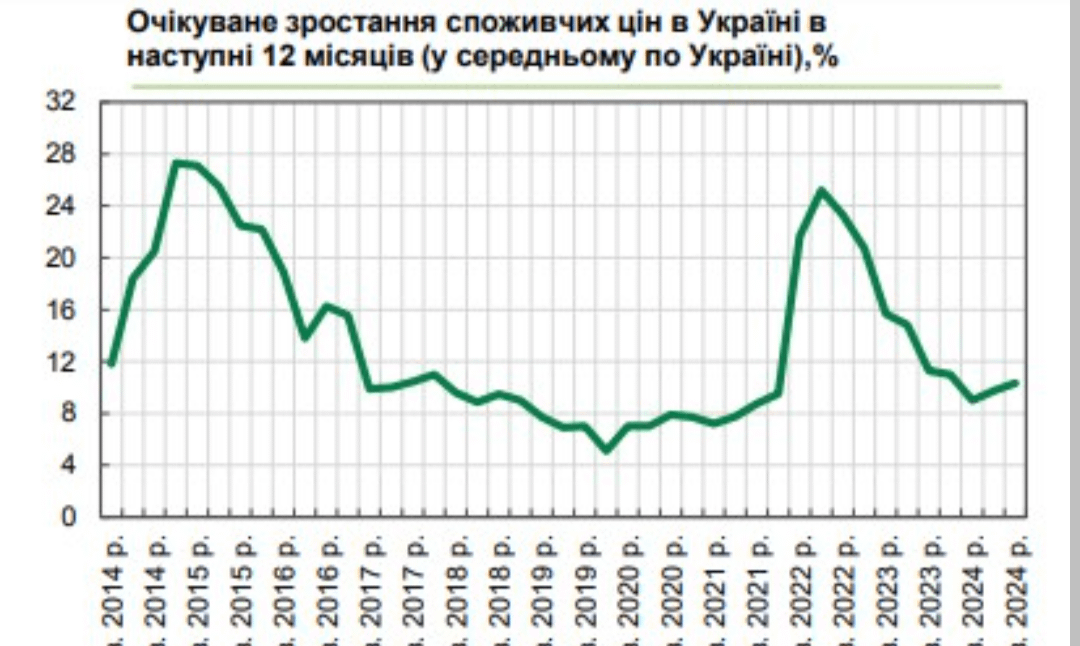
On paper, everything is smooth, but in reality, the math is entirely different. Personal inflation always hits harder than the average indicators across the country. When vegetables and utilities rise by tens of percent, the regulator's reports look like a parallel reality.
Will the crypto law help us, which everyone is so eagerly waiting for?
Many hope that the legalization of virtual assets will become a 'lifeline'. Let's take off the rose-colored glasses:
Prices in stores will not drop. The law does not affect the cost of logistics, fuel, or bread.
Taxes will follow. Legalization is not only recognition but also reporting to the tax authorities. The state will want its percentage from each of your profits.
What is the real profit for us then?
✅ Hedging risks. While the hryvnia seeks a bottom in forecasts, stablecoins (USDT/USDC) remain the best way to secure purchasing power. The law will allow us to do this legally, without the fear of blocks due to financial monitoring.
✅ Exit from the 'gray zone'. We will be able to officially bring funds into the economy, buy large assets (cars, real estate) with crypto-income without unnecessary questions from banks.
✅ Investment lift. Crypto is perhaps the only asset capable of outpacing real inflation by multiples, while bank deposits barely cover the depreciation of money.
Forecasts are good, but one must control their own finances. The crypto law will not lower prices, but it will give us a legal 'backup airport' and tools for capital protection.


