
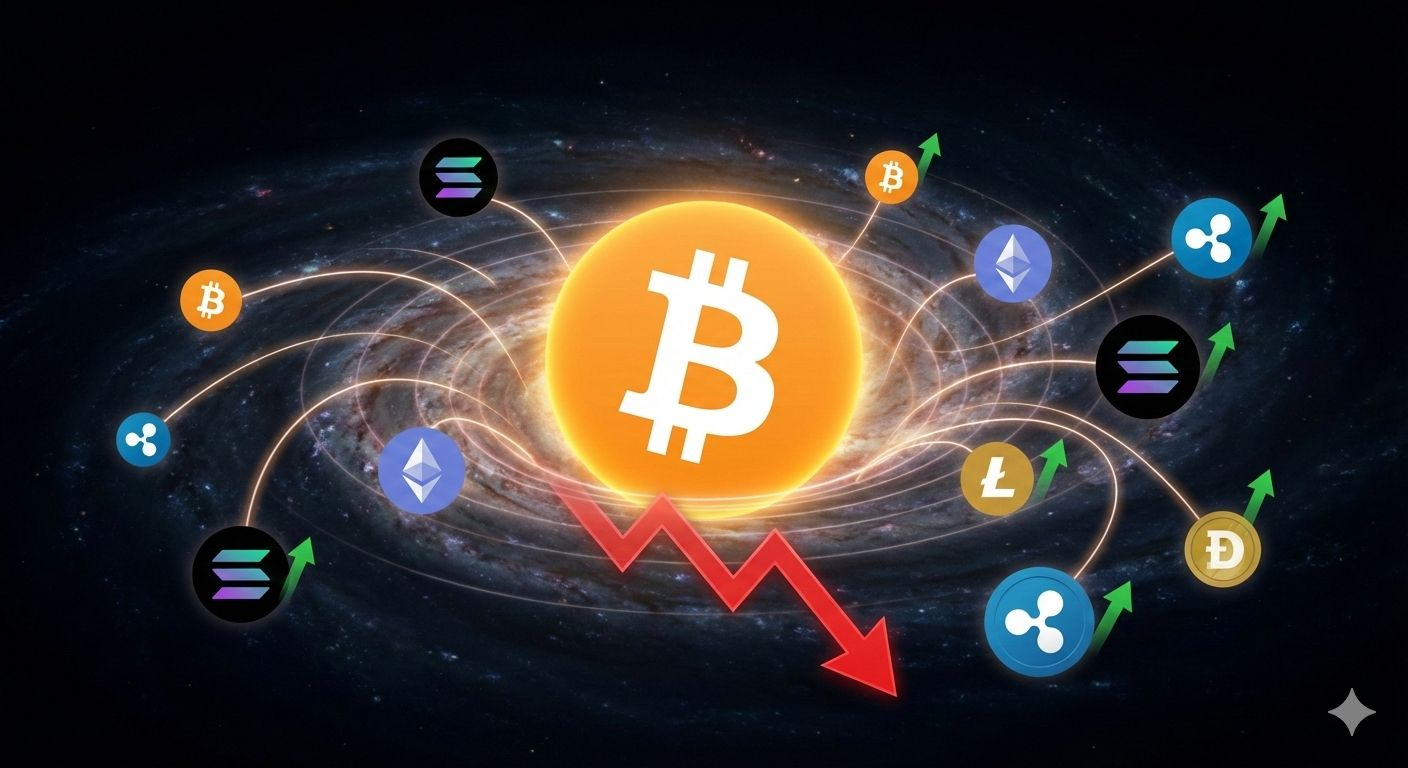
The crypto market is a wild ride, isn't it? One minute it's up, the next it's down, while also famous for its "follow the leader" behavior and usually, when $BTC stumbles, the rest of the market falls with it. We saw this recently when BTC dipped to $64,000, causing a wave of panic. However, as BTC recovered to over $70,000, some coins didn't just follow, they had already started "pumping" while Bitcoin was still down.
If you’ve ever wondered how a coin can go green in a sea of red, here are the four main reasons why some tokens defy the gravity of the King of Crypto.
1. BTC and the "Altcoin Seesaw" (Capital Rotation)
When Bitcoin’s price stabilizes or takes a small dip after a big run, investors often move their money into smaller, high-risk coins to find bigger profits. This is known as Capital Rotation.
Think of it like a "Seesaw": investors sell their BTC to lock in gains, then pour that cash into smaller coins. Because these smaller tokens have lower liquidity (less money available), even a small amount of buying pressure from "Bitcoin profits" can cause their price to skyrocket instantly.
Why it matters for pumps
(I) Short term squeezes can push some coins higher as shorts get closed.
(II) Liquidation cascades can produce rapid rotation into anything seen as a safe or oversold play.

2. ETH and the Power of Narratives (News & Tech)
Ethereum (ETH) can move on its own because it is more than a currency. It is a large technology platform with many products and users. A token can rise even when Bitcoin is falling if it has strong narrative hype or important news. Events like major upgrades, mainnet launches, new partnerships, or trends such as AI and Real World Assets can create a local bull market around $ETH and related tokens. Because Ethereum has an active and growing ecosystem, positive developments inside it can push prices higher even on days when Bitcoin is weak.
Practical takeaways
(I) Watch project level news for ETH and layer two activity.
(II) Volume spikes on chain or big exchange flows often precede independent ETH strength.


3. SOL and the FOMO Factor (Market Manipulation)
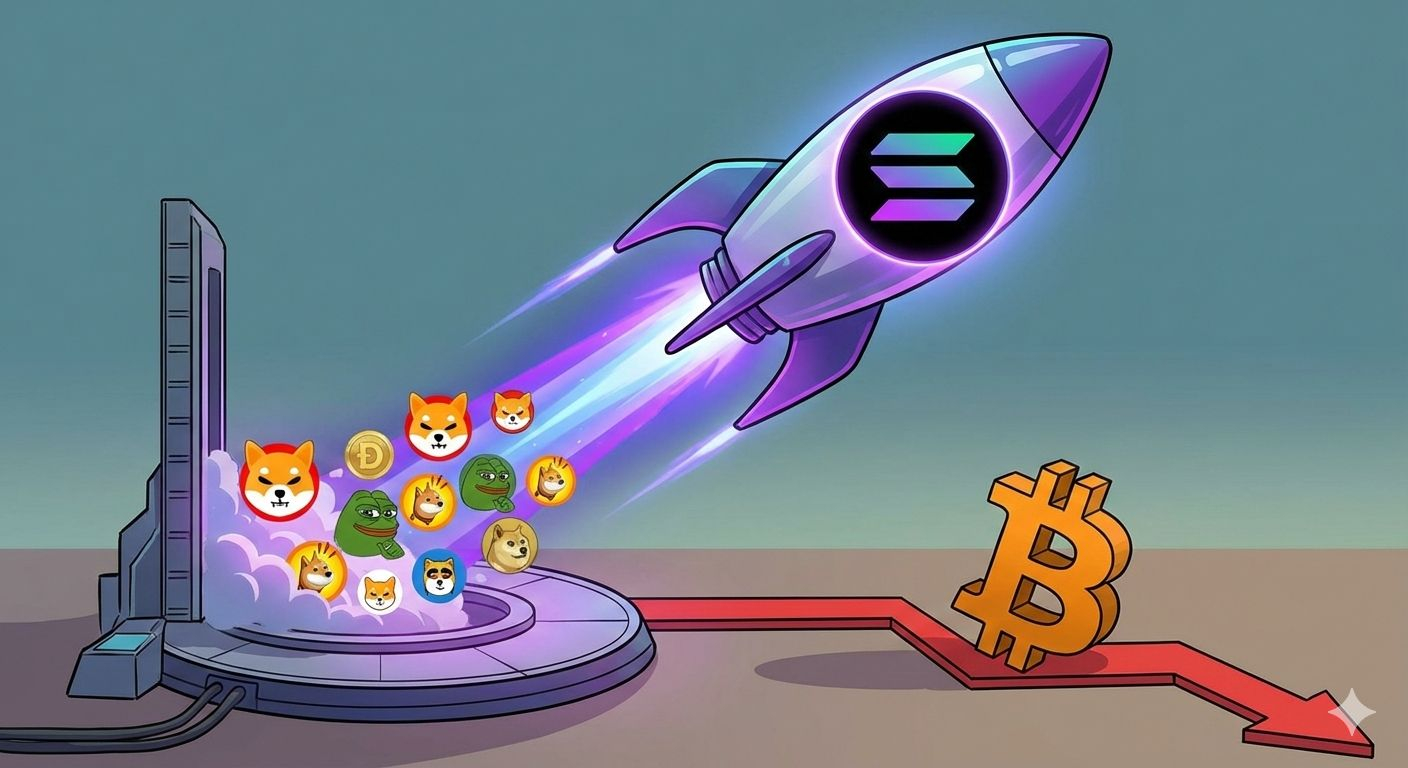
Sometimes, price jumps are driven more by psychology than technology. Solana is a prime example, where "Whales" (large investors) and social media hype create FOMO (fear of missing out). This is often fueled by the memecoin craze; because investors must purchase $SOL to trade these new, trendy tokens, demand for SOL skyrockets regardless of Bitcoin’s performance. While this creates rapid "rocket ship" growth, these moves can be risky "Pump-and-Dump" tactics. Beginners should remain cautious, as prices often crash quickly once the social media hype fades and large holders sell their shares.
How to spot these moves early
(II) Follow project roadmaps and airdrop watch lists.
(II) Track sudden upticks in on chain activity or new token listings.

4. Other Altcoins: Niche Scenarios & Safe Havens
Other altcoins often rally for reasons that have little to do with Bitcoin. Token listings, influencer endorsements, airdrops, and sector specific booms in areas like AI or gaming can spark local rallies. Sometimes market makers or large holders push money into thinly traded pools to create headlines, and low liquidity can amplify price moves. Niche scenarios such as a delisting rally can also occur when loyal holders buy remaining supply after an exchange removes a token. Profit taking from Bitcoin often rotates capital into altcoins seeking higher returns, a phase commonly called Altcoin Season. During Bitcoin drawdowns some investors move into perceived safe havens, for example gold backed tokens or stable value assets, which can rise in relative terms. This constant rotation and variety of catalysts means there is often a bull market somewhere, even when Bitcoin is flat or falling. Traders should check volume and real catalysts before assuming a pump is sustainable.
Checklist for traders and writers
(I) Confirm if the pump is backed by volume or just thin liquidity.
(II) Look for real catalysts like listings, upgrades, or airdrops.
(III) Watch for quick exits by whales after they get the headline.
(IV) Keep position size small if correlation to Bitcoin is weak.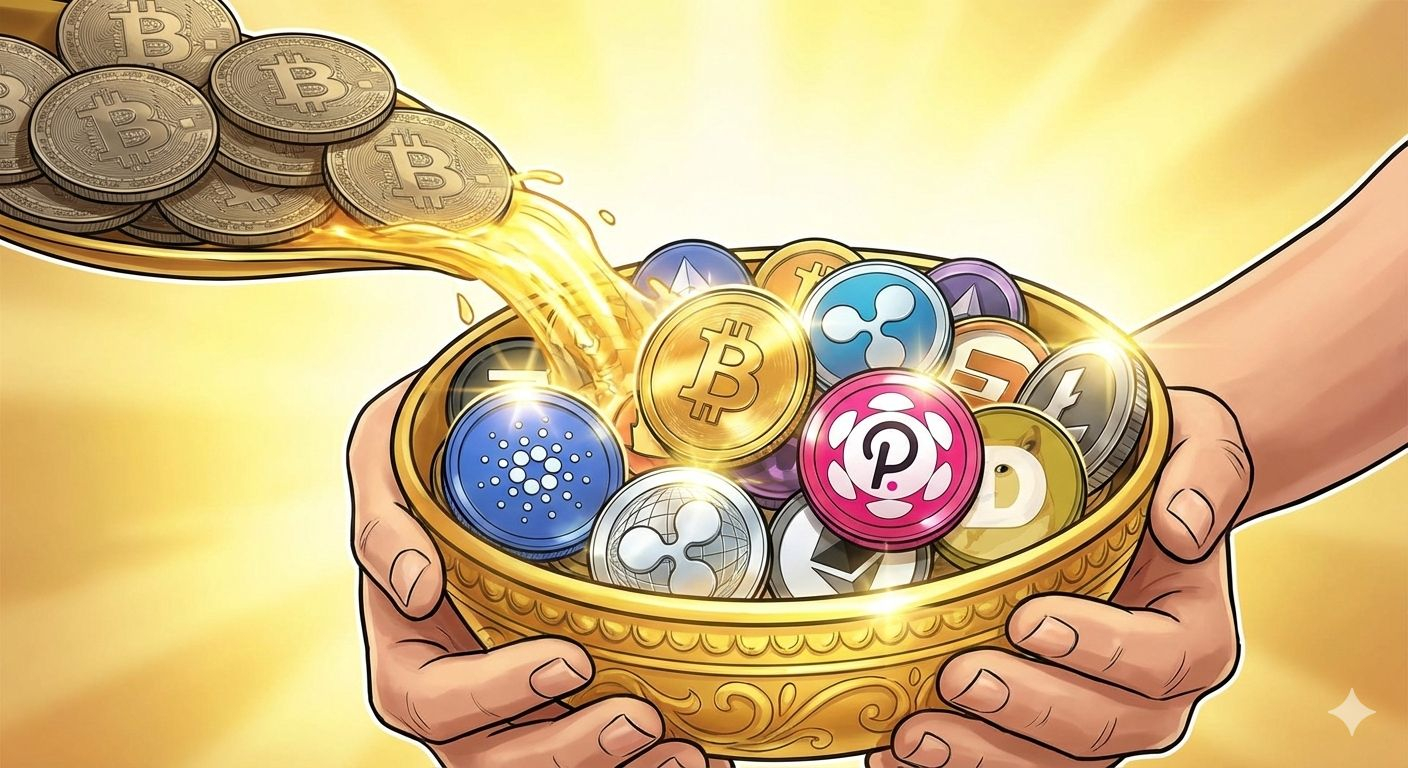
Conclusion
In summary, while Bitcoin remains the sun of our financial solar system, it is not the only force at play. Through capital rotation, news-driven narratives, whale activity, and niche market scenarios, altcoins have found ways to carve out their own paths.
However, a word of caution for every crypto enthusiast, independent pumps are often short-lived. Prices frequently revert to match the broader market once the hype dies down. By understanding these four pillars, you can move from being a confused observer to a strategic participant in the ever-evolving world of digital assets.