

Introduction
Blockchain has proven it can move value without intermediaries. What it has not proven yet is that it can support regulated financial activity at scale. Most networks optimize for openness and speed, while real finance optimizes for confidentiality, accountability, and legal certainty.
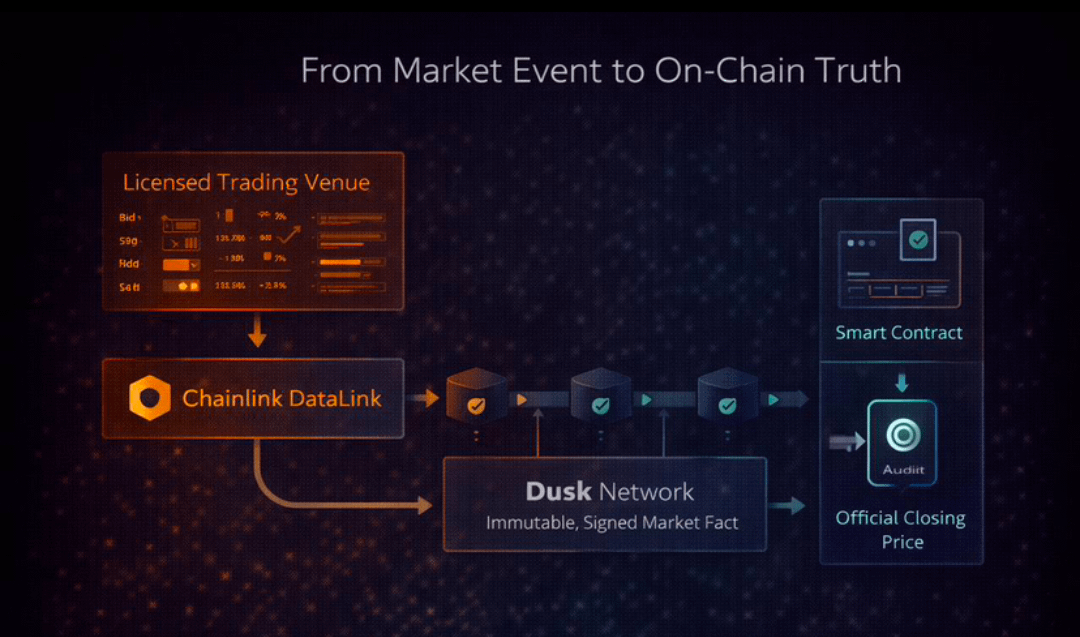
Dusk Network is designed around this gap. Instead of forcing financial institutions to adapt to crypto-native assumptions, Dusk adapts blockchain architecture to financial reality. Its goal is not anonymity for its own sake, but confidentiality with provable compliance.
Privacy as a Requirement, Not a Feature
In real financial systems, privacy is not optional. Salaries, invoices, trades, and settlements cannot be fully transparent without creating systemic risk.
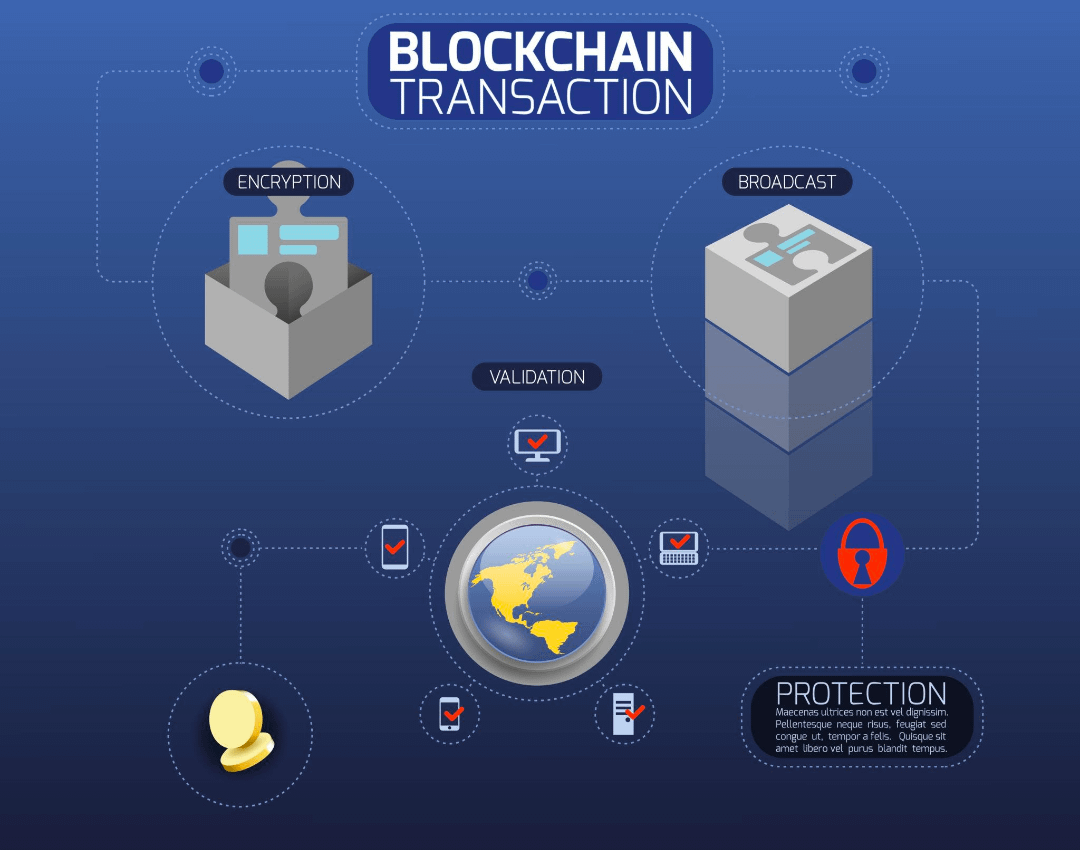
Dusk treats privacy as a base-layer requirement. Transaction data can remain confidential by default, while cryptographic proofs ensure that balances, transfers, and contract execution remain valid. When disclosure is required — by regulators, auditors, or counterparties — information can be revealed selectively without exposing the entire transaction history.
This model mirrors how finance already works: private by default, auditable when necessary.
Payments Designed for Regulation
Most blockchain payment systems avoid regulation. Dusk builds directly around it.
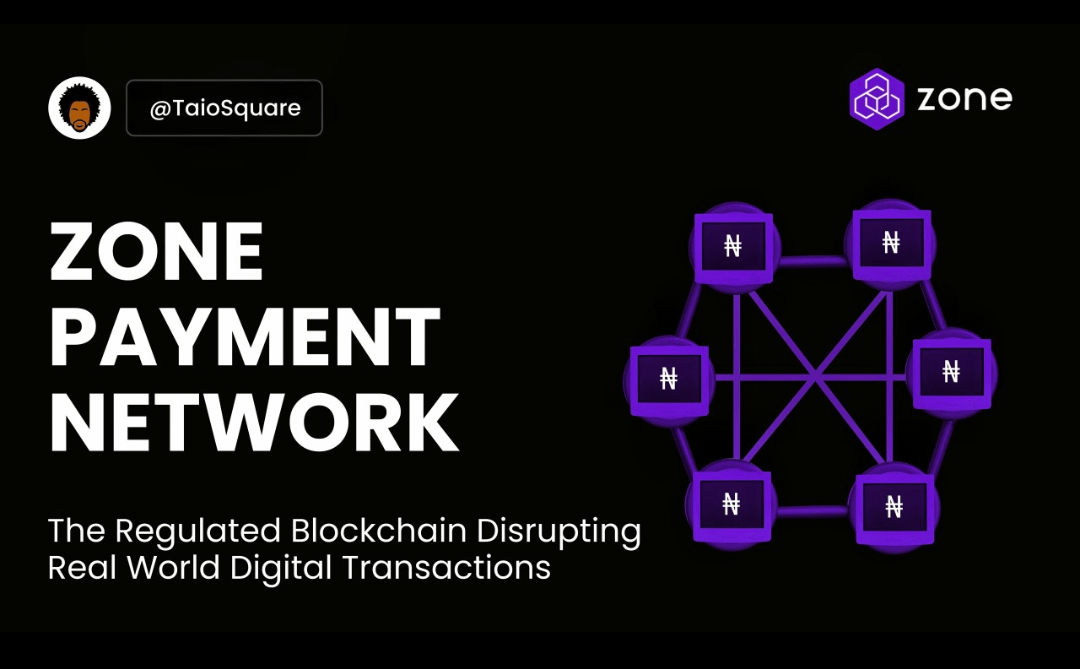
Through its payment infrastructure, Dusk enables blockchain-based transfers that can be legally recognized under existing financial frameworks. Payments settle on-chain, but compliance requirements such as auditability and oversight are preserved.
This approach shifts blockchain payments from experimental tools into systems that can realistically be used by businesses, payment providers, and financial institutions — especially in regulated jurisdictions.
Smart Contracts Without Full Transparency
Traditional smart contracts assume public execution. While this works for open protocols, it fails for many financial use cases where contract logic or data must remain confidential.
Dusk introduces an execution environment where smart contracts can operate privately. Contract state and logic do not need to be publicly exposed, yet execution correctness can still be proven. This enables use cases such as private financial agreements, regulated asset issuance, and institution-only workflows — all on a public blockchain.
Settlement-Centric Architecture
Rather than treating all transactions equally, Dusk places settlement at the center of its design.
Execution, privacy, and settlement are separated into distinct layers. This allows the network to upgrade smart contract functionality or privacy mechanisms without disrupting the settlement layer that financial systems depend on for finality and certainty.
This design closely resembles traditional market infrastructure, where exchanges, clearinghouses, and settlement systems serve different roles.
Staking Designed for Longevity
Dusk’s consensus and staking model is designed to prioritize long-term participation over short-term punishment.
Instead of aggressive slashing, validators that violate protocol rules are temporarily removed from participation. This reduces the risk of catastrophic penalties while maintaining network security. Token issuance is gradual, spread over decades, reinforcing a long-term economic model rather than rapid dilution.
Staking becomes a stability mechanism, not a speculative game.
Real-World Assets With Real Constraints
Tokenization without enforceability offers little value to institutions.
Dusk supports asset models where ownership rules, transfer permissions, and legal constraints are enforced at the protocol level. Assets can represent real-world instruments while respecting investor eligibility, jurisdictional rules, and corporate actions.
This makes on-chain assets compatible with real legal systems — not just symbolic representations of them.
Why This Approach Is Different
Most blockchains attempt to scale adoption by increasing throughput or lowering fees. Dusk takes a different path: making blockchain compatible with how finance already operates.
It does not try to remove rules from finance. It tries to encode them.
By doing so, Dusk positions itself not as a replacement for financial institutions, but as infrastructure they can realistically build on.
Conclusion
Dusk Network is not designed to win crypto narratives. It is designed to solve a structural problem: the absence of compliant, confidential settlement infrastructure on public blockchains.
By combining privacy, auditability, modular execution, and legally aware asset models, Dusk offers a framework where on-chain finance can move beyond experimentation and toward real economic integration.
If blockchain is to support serious finance, it will need systems like this — not louder protocols, but quieter, more disciplined infrastructure.
