Vanar Chain is positioned as an L1 public chain specifically designed for agents and AI workloads, differing from the traditional blockchain logic of 'designed for human transactions'.
Core concept: Do not let agents adapt to the chain, but let the chain adapt to agents.
It provides end-to-end intelligent infrastructure, supporting Web3 AI applications, PayFi, RWA tokenization scenarios, with the native token $VANRY running throughout the entire ecosystem for interaction and secure staking.
1. Vanar Stack five-layer architecture (core architecture)
Vanar Chain achieves a full-process closed loop of 'memory-inference-execution-implementation-settlement' through a five-layer modular system:
First Layer: Vanar Chain (Modular L1 Foundation Layer)
AI Native Design, high throughput, low cost, strong compatibility
Fully EVM compatible, developers can directly use Solidity tools to build applications
Built-in UDF storage, supporting on-chain AI reasoning and contextual storage
Fully decentralized data processing, no need for centralized servers/IPFS
Secure Foundation: Consensus + Staking safeguards the assets and data of agents
Second Layer: Neutron (Semantic Memory/Intelligent Data Storage Layer)
Converts unstructured data (PDFs, contracts, invoices, rules, etc.) into on-chain 'seeds'
Provides long-term context, reusable, shareable, and verifiable agent memory
Supports Fetch.ai ASI:One, enhancing context generation and agent collaboration capabilities
Third Layer: Kayon (Context AI Reasoning Layer/On-chain Reasoning Engine)
On-chain AI reasoning, no need for external oracles or off-chain computation
Decision-making process is traceable, can generate natural language/visual explanations
Meets corporate audit, risk control, and compliance needs, addressing the shortcomings of agents that cannot articulate clearly
Fourth Layer: Axon (Intelligent Automation Layer)
Receives Kayon reasoning results, converts them into secure, controllable on-chain automated operations
Collaborates with Flows, supporting automated execution across multiple industries
Fifth Layer: Flows (Industry Application Adaptation Layer)
Adapts underlying capabilities to specific scenarios (games, supply chains, PayFi, RWA, etc.)
Lowers development barriers, promoting the implementation of agent applications
2. Key Technical Features of the Underlying Layer
Consensus Mechanism: PoR + PoA Dual Consensus
PoR (Proof of Reputation): Validator reputation as the basis for access and rewards, combined with DPoS delegation mechanism
PoA (Proof of Authority): The foundation initially selects highly trusted nodes to ensure efficient operation of the network
EVM compatible
Supports Solidity and Ethereum development tools, enabling rapid migration/building of smart applications
Fully decentralized data processing
Agent memory, decision-making links, and execution records are stored directly on-chain
Avoids trust loss and data inconsistency associated with off-chain storage
Network node layering
RPC Nodes: High-frequency queries, instruction calls
Validator Nodes: Transaction validation, block encapsulation, security assurance
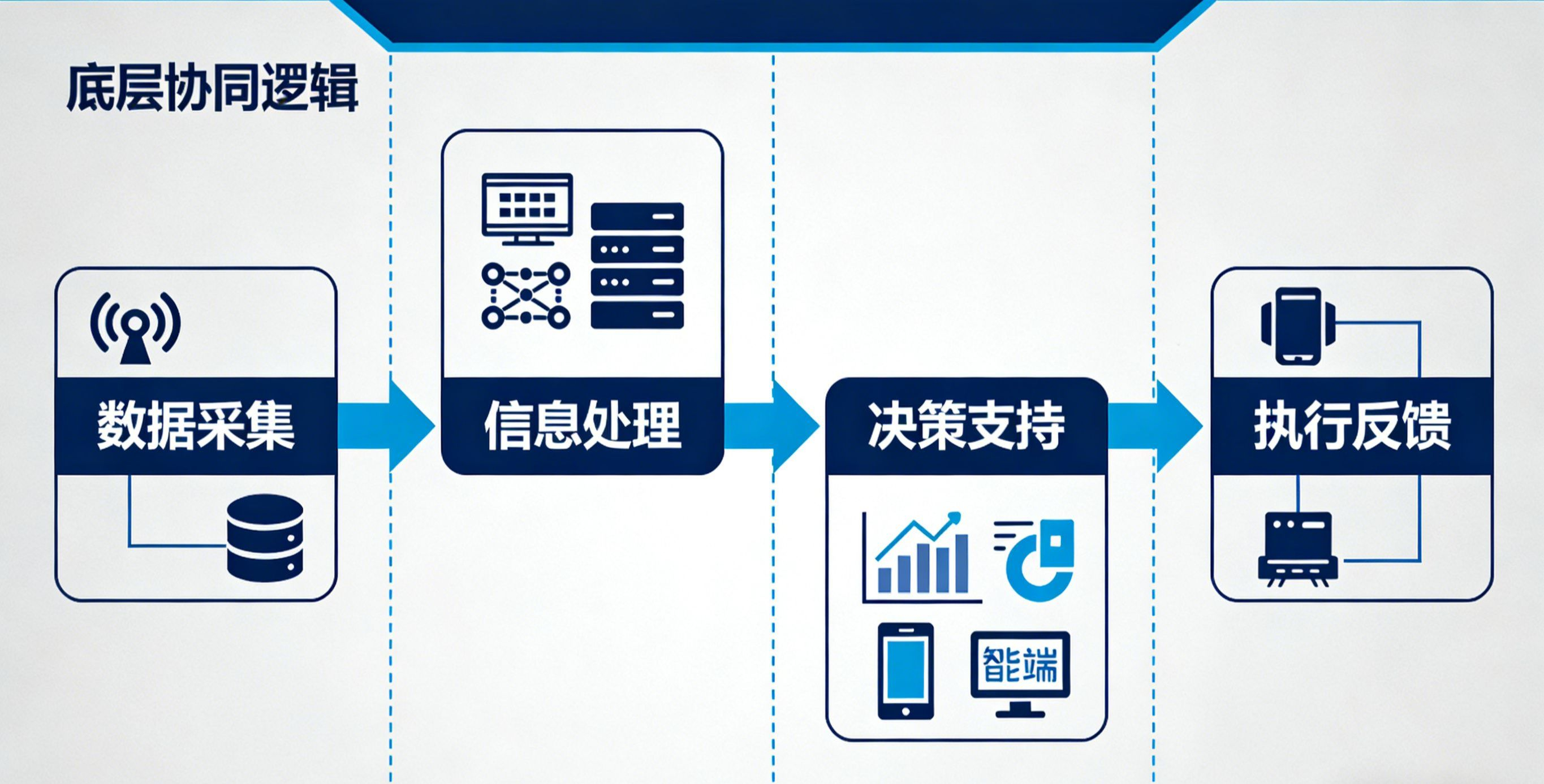
3. Underlying Collaborative Logic and Processes
Data Access and Storage: Neutron converts external data into on-chain callable 'seeds', forming the long-term memory of agents
On-chain Reasoning and Decision-Making: Kayon completes AI reasoning based on Neutron data, recording the complete decision-making link
Automated Execution: Axon executes secure operations, Flows adapts to industry rules
Security and Consensus: The foundational layer verifies through PoR+PoA, $VANRY staking ensures security
Ecosystem Adaptation: EVM compatibility + toolchain supports rapid development of agent applications
4. Core Advantages and Value
AI Native Integration: Five-layer system supports agents on-chain from the underlying level
Modular Layering: Collaboration between modules, scalable, avoiding later plugin stitching
Efficient Compatibility: Fully EVM compatible, lowering development barriers
Decentralized Data: Trustworthy, verifiable, stored on-chain
Security and Scalability: PoR+PoA consensus ensures network and asset security
Core Value: Providing full-process underlying support for the next wave of 'automated workers' in Web3, removing friction for agents on-chain, enabling agents to work stably in the long term, and promoting the large-scale implementation of AI-driven decentralized applications.