

Hello everyone, recently my attention has been captivated by a public chain called Plasma, especially its native token XPL.
I am not an expert; I am just an ordinary participant who enjoys exploring blockchain technology. Today, I want to share my personal views on this project.
I think the uniqueness of this project lies in its 'axis' being charming. Unlike other public chains that want to embrace all applications in the world, it has focused on one point from the very beginning: to become a stablecoin, especially USDT, the best payment and settlement layer.
This positioning is very clever and ambitious. Everyone is aware of the current size of the stablecoin market, and existing blockchain networks struggle to handle massive, high-frequency, low-cost stablecoin transfers. Plasma is here to address this pain point. Essentially, it is a Layer 1 blockchain tailored for stablecoins.
Its technical architecture is quite interesting. It adopts an improved BFT consensus mechanism, aiming for 'second-level' transaction finality. At the same time, it maintains full EVM compatibility. What does this mean? It means it has the determination to pursue high performance without shutting out Ethereum's vast developer ecosystem and mature applications, allowing developers and users to migrate over with almost no cost. This combination, in my opinion, is pragmatic and attractive.
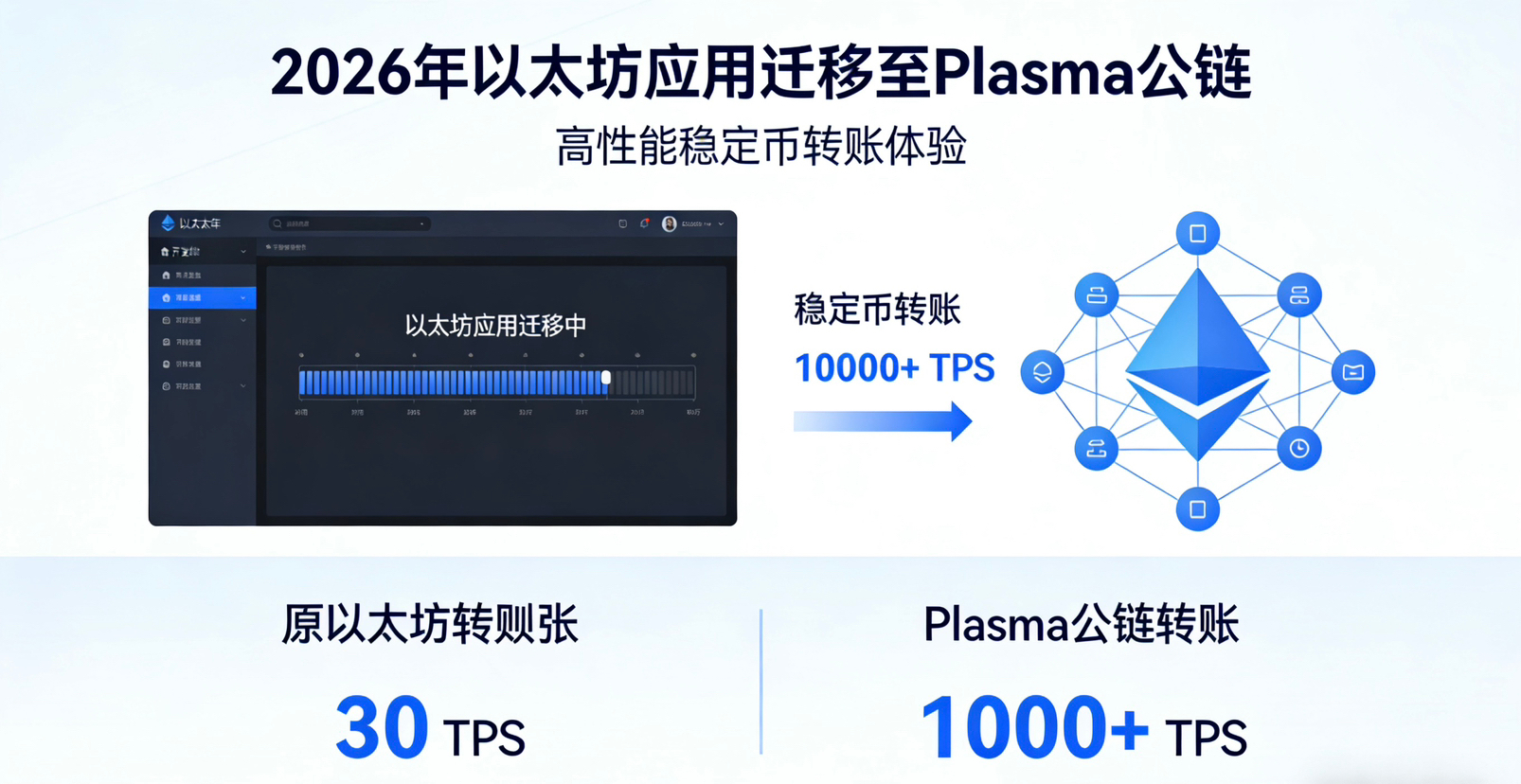
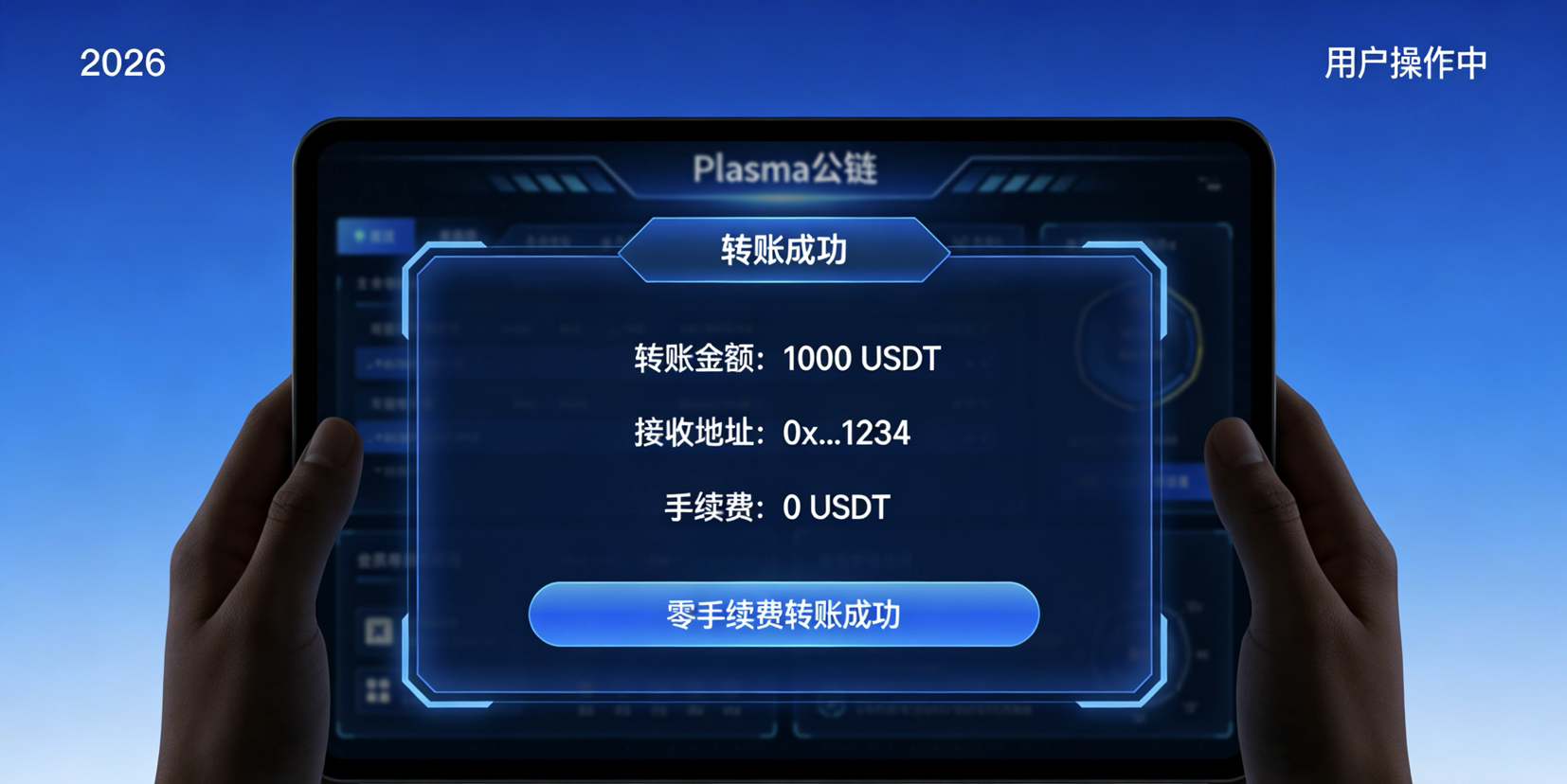
However, what truly makes me say, 'Wow, it can be done this way?' is its 'zero-fee USDT transfer' design. When we transfer on other chains, we usually need to hold some native tokens for Gas fees, which inadvertently sets a barrier for new users. Plasma, through a system called 'Paymaster,' directly pays the standard USDT transfer Gas fees for users. Users can transfer USDT without needing to prepare other tokens. This small improvement in experience could play a crucial role in driving mass adoption, especially in scenarios like cross-border remittances. Of course, there’s no free lunch; this cost will be subsidized and covered through other economic activities of the protocol.
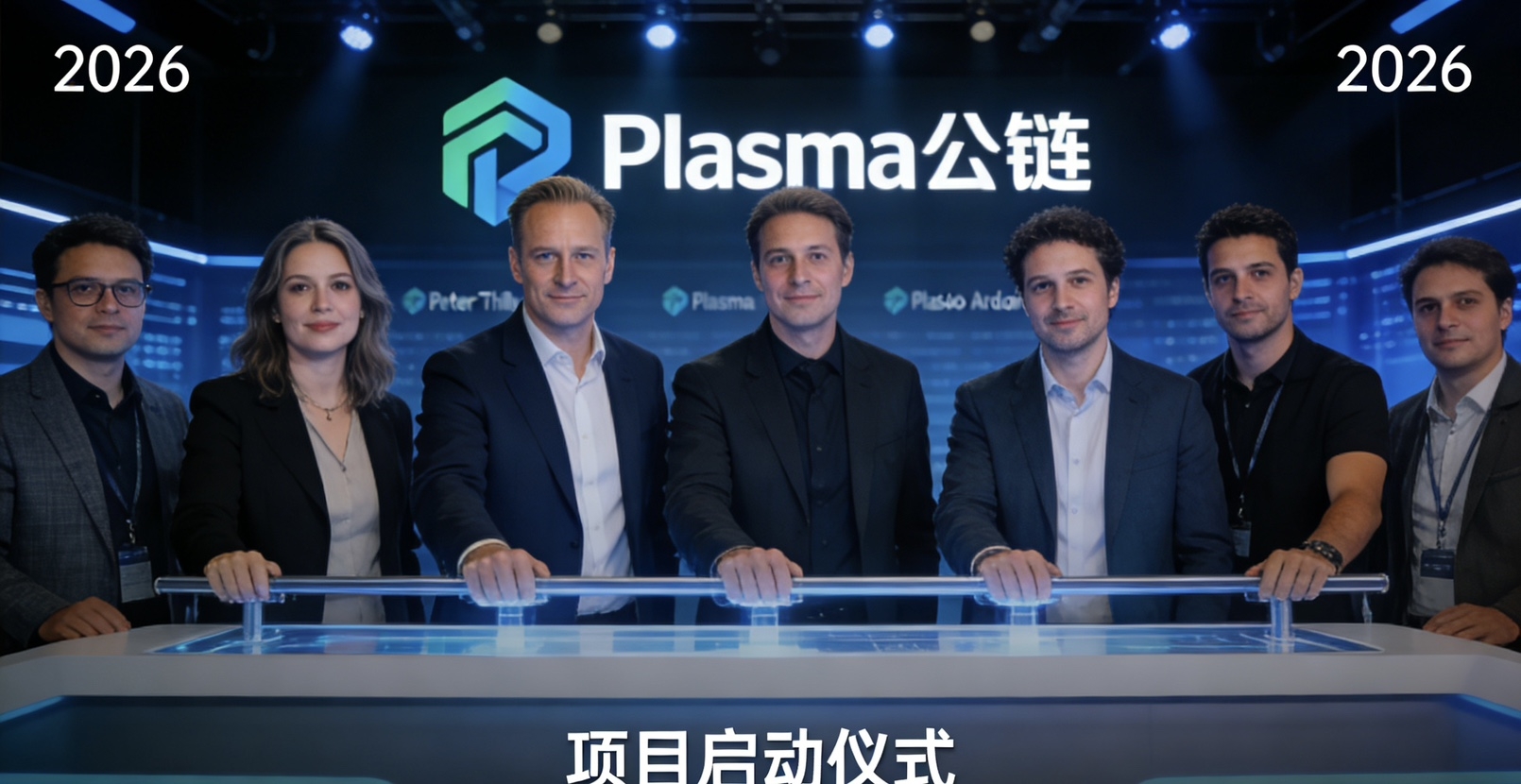
Let’s talk about its background. Personally, when observing a project, I pay great attention to the supporters behind it. The early backers of Plasma are impressive, including Peter Thiel's Founders Fund, Framework Ventures, and even Paolo Ardoino, the CEO of Bitfinex and Tether. This is not just a matter of money; it conveys the recognition of traditional fintech giants and top stablecoin issuers for this direction in the industry. Particularly, Peter Thiel, as a co-founder of PayPal, his endorsement makes me feel that Plasma's vision for payment infrastructure might genuinely resonate with some industry veterans.
Ultimately, the success of a project is determined by the market vote with feet. When XPL launched on the mainnet last September, it came with over $2 billion in stablecoin liquidity, and in a short time, the total value locked (TVL) on-chain surged to the level of billions of dollars. This 'launching at peak' performance, although aided by initial liquidity support and incentives, does indeed prove that there is a genuine and urgent demand in the market for an efficient dedicated stablecoin channel.
Therefore, my view is that Plasma (XPL) has chosen a path that seems narrow but is actually profound. It does not pursue being broad and comprehensive but seeks to excel in the singular field of 'stablecoin payments.'
This extreme focus is both its greatest advantage—able to quickly establish technical barriers and user experience advantages—and could also become a future challenge—whether the richness of the ecosystem can support the long-term value of its tokens. Regardless, as a project focused on solving real financial efficiency issues, it has already earned our continued attention.

