

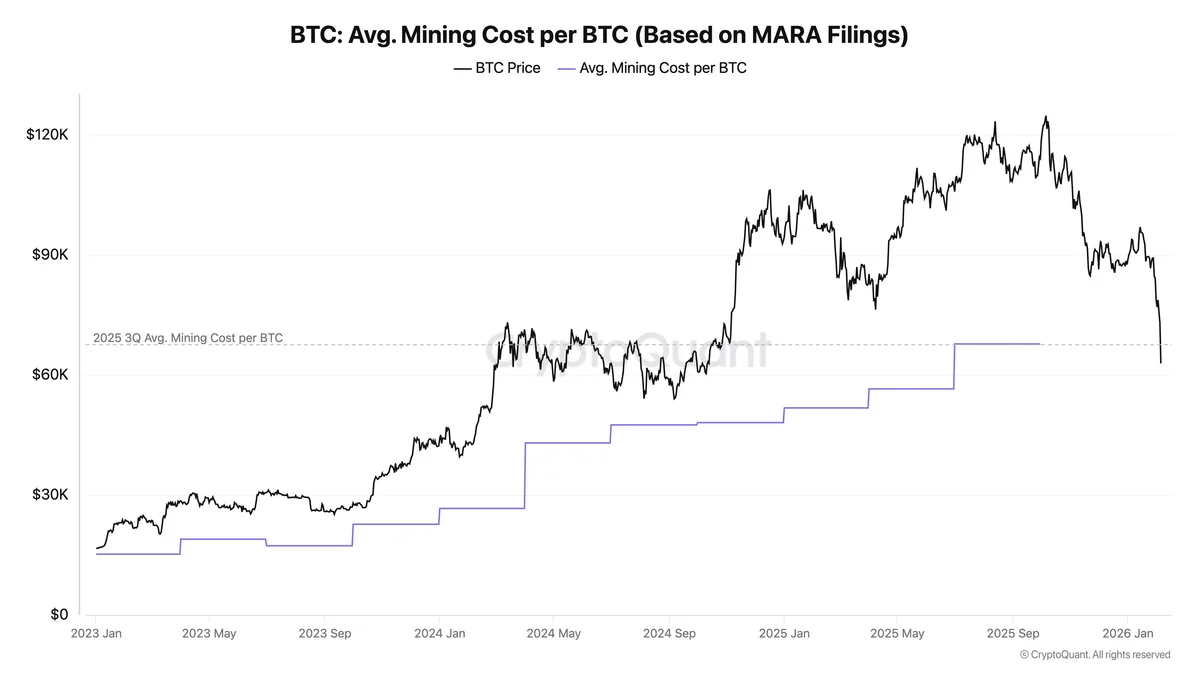
The latest data released by Ki Young Ju, CEO of CryptoQuant, shows that the average mining cost for each Bitcoin has now risen to about 67,700 USD, based on the Q3 2025 financial report of MARA Holdings – one of the largest publicly listed miners in the U.S.
This is not a figure that was disclosed directly, but rather calculated from the 10-Q report, reflecting actual operating costs instead of figures that have been 'optimized for investors.'
How is the Bitcoin mining cost formed?
Essentially, the cost of mining Bitcoin is not just electricity, but a combination of many layers of different costs throughout the entire mining lifecycle.
Firstly, there are energy costs, which account for the largest share. This is the amount of money used to maintain hashrate operating continuously 24/7, including electricity consumption for mining machines, cooling systems, and associated infrastructure. With MARA in Q3/2025, the cost of maintaining 1 PH/s for 24 hours is approximately 31.3 USD.
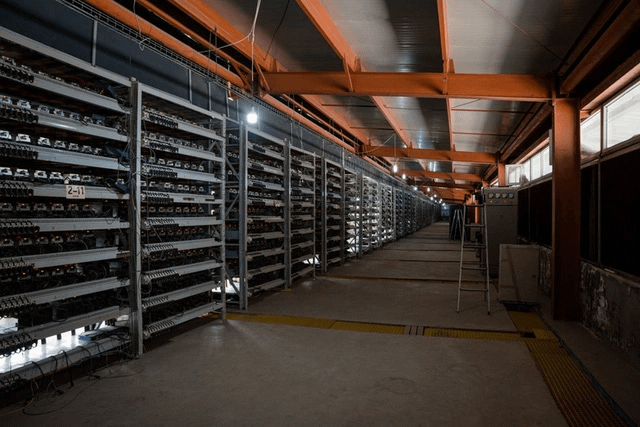
CryptoQuant states that the figure for 'purchased energy cost per BTC' that the company announced (approximately 39,235 USD/BTC) only reflects the electricity cost, not including other expenses.
Secondly, there is the cost of hardware depreciation. ASIC mining machines have a limited lifespan, usually achieving optimal efficiency for only 2–3 years. After each Halving cycle or the emergence of each new generation of machines, the economic value of old hardware rapidly declines. This depreciation does not generate immediate cash flow but is a real cost that must be factored into the cost of each Bitcoin.
Thirdly, there are operating and personnel costs. This includes technical teams, data center management, maintenance, physical security, hashrate management software, and administrative costs. For large-scale miners, this is a stable but not insignificant expense, especially in the context of expanding hashrate after the Halving.
Fourthly, there are financial and capital costs. Many Bitcoin mining companies operate with leverage, borrowing or issuing stock to scale up. Interest expenses, fundraising costs, and debt repayment pressures become burdens when Bitcoin prices drop below the breakeven zone.
Finally, there is the opportunity cost. As the network hashrate increases, mining difficulty also rises, with each unit of hashrate producing less Bitcoin. This causes the cost per BTC to rise, even when total operating costs remain unchanged.
Why do mining costs soar after the Halving?
After the 2024 Halving, the block reward is reduced by 50% while the network hashrate continues to hit new highs. This forces miners to invest more in machinery and energy just to maintain the previous output levels. The data was shared by Ki Young Ju, the founder of CryptoQuant.

Calculations from Cryptoquant based on data released by MARA Holdings, one of the largest Bitcoin mining operators in the world, in Q3/2025:
The average operating hashrate reached 50.4 EH/s;
The average daily mining output is 23.3 BTC.
From there, the mining cost is calculated: 50,400 PH/s × 31.3 USD / 23.3 BTC ≈ 67,704 USD/BTC
This figure indicates that the actual cost threshold has far exceeded old psychological levels such as 40,000–50,000 USD, pushing the mining industry into a state that is extremely sensitive to price fluctuations.
What do mining costs say about the Bitcoin market?
Historically, whenever the Bitcoin price approaches or breaks through the average mining cost zone, the market often witnesses periods of miner capitulation – when weaker capital units are forced to sell Bitcoin to maintain cash flow, creating short-term supply pressure.
Conversely, when prices maintain sustainably above mining costs, the network enters a healthier state, and miners are motivated to accumulate and reduce selling pressure on the market.
After the 2024 Halving, Bitcoin is not only valued by speculative supply and demand but is increasingly influenced by the actual production cost structure of the entire ecosystem.
From a long-term perspective, high mining costs are not a weakness but a self-adjusting mechanism of the Bitcoin network: forcing inefficient miners out of the game while reinforcing the position of those with better technology, capital, and energy costs.
#BTC #Miner
