

Over the past two years, Bitcoin has received unprecedented good news. The US approved a spot Bitcoin ETF in January 2024, opening the door for institutional money to flow in. The Trump administration publicly supported crypto. The price reacted accordingly, rising from around $46,000 when the ETF was approved to nearly three times that, reaching a peak of $126,000 in October 2025.
But then, Bitcoin dropped to the $60,000 range, losing about 60% from its peak. And almost no one remembers that Bitcoin had previously tripled and nearly decupled since the 2022 low at the price of $16,000. Everyone only talks about the sharp 60% drop that occurred in recent months and the growth of gold, while gold has only tripled since 2023.
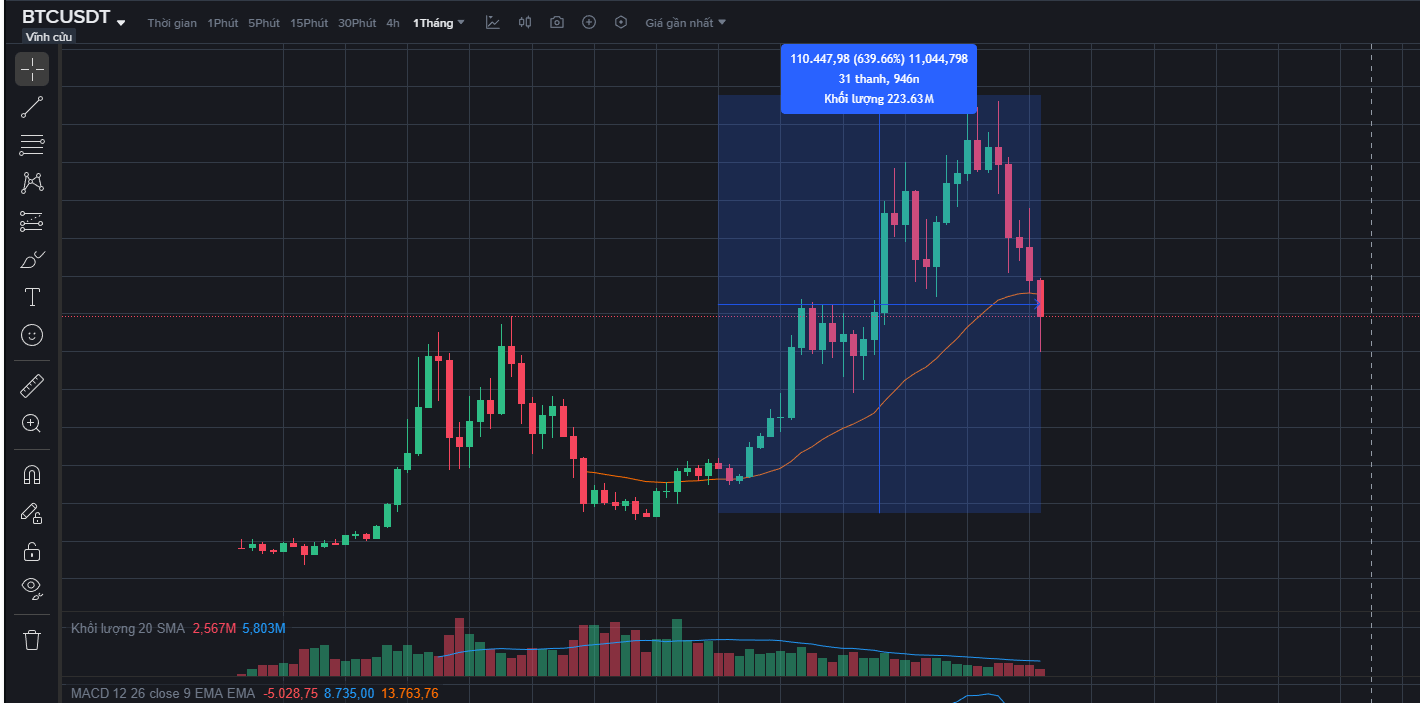
But it is important to remember that this is not the first time Bitcoin has fluctuated like this. Bitcoin explodes, then calms down. Explodes, then calms down again. The calming periods are always much longer and slower than the explosive periods.
This creates an uncomfortable psychological spiral. When Bitcoin rises quickly, people fear it is forming a bubble, while when it moves sideways or decreases, they think it is out of fashion. Whether it rises or falls, there is never a time when investors feel truly comfortable.
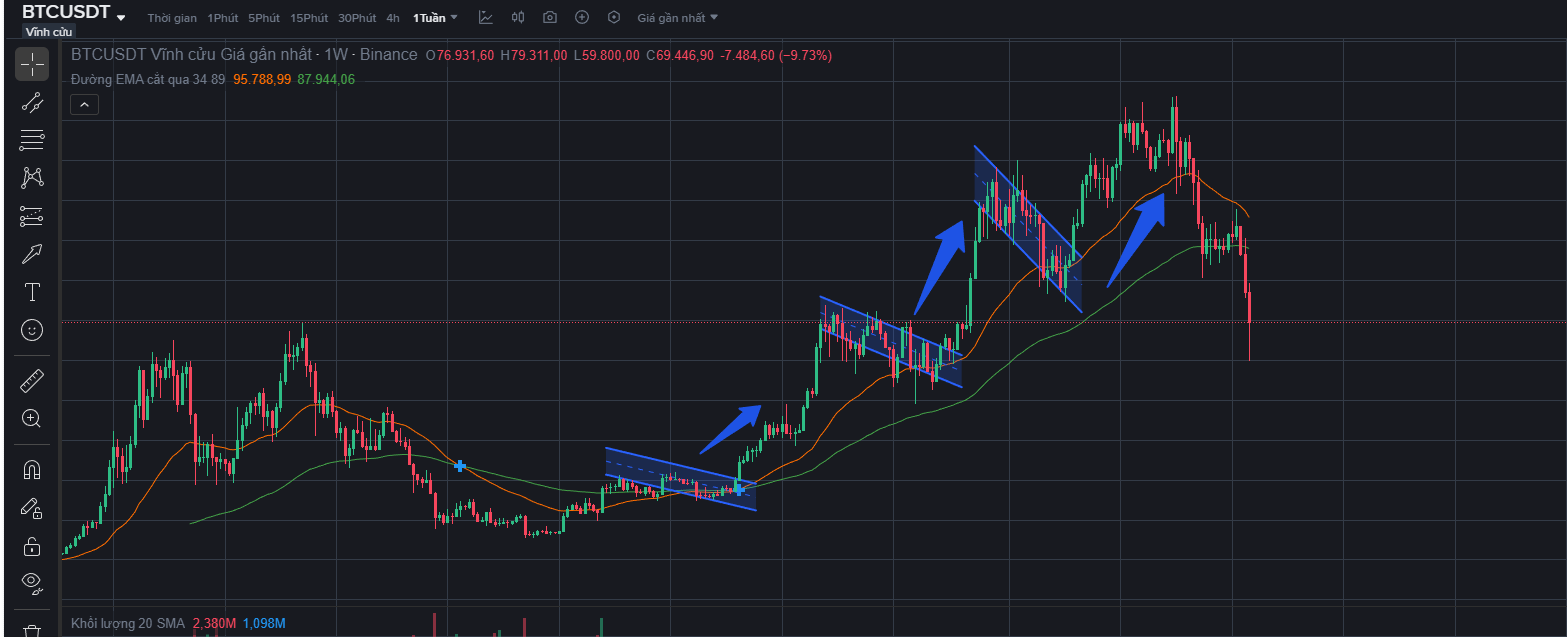
But behind that discomfort is the historical turning point of Bitcoin. Previously, most Bitcoin was in the hands of short-term speculators, buying and selling with the waves. Now, ETF funds are buying in every day, and financial institutions are allowed to add Bitcoin to their portfolios.
Currently, whether the price increases or not largely depends on the process by which institutions gradually allocate capital, bit by bit, quietly and boringly. And that process is slow, little by little, with nothing exciting to talk about. But that is precisely the sign that Bitcoin has matured.
Stage of purging weak hands.
The quiet periods of Bitcoin are how the market filters out weak hands:
2011 – 2013: increase from 0.3 to 31 USD → decrease 94% to 2 USD → then up to 1,150 USD.
2013 – 2017: increase to 1,150 USD → decrease 87% to 150 USD → then up to 20,000 USD.
2017 – 2021: increase to 20,000 USD → decrease 84% to 3,200 USD → then up to 69,000 USD.
2021 – 2025: increase to 69,000 USD → decrease 78% to 15,500 USD → then up to 126,000 USD.
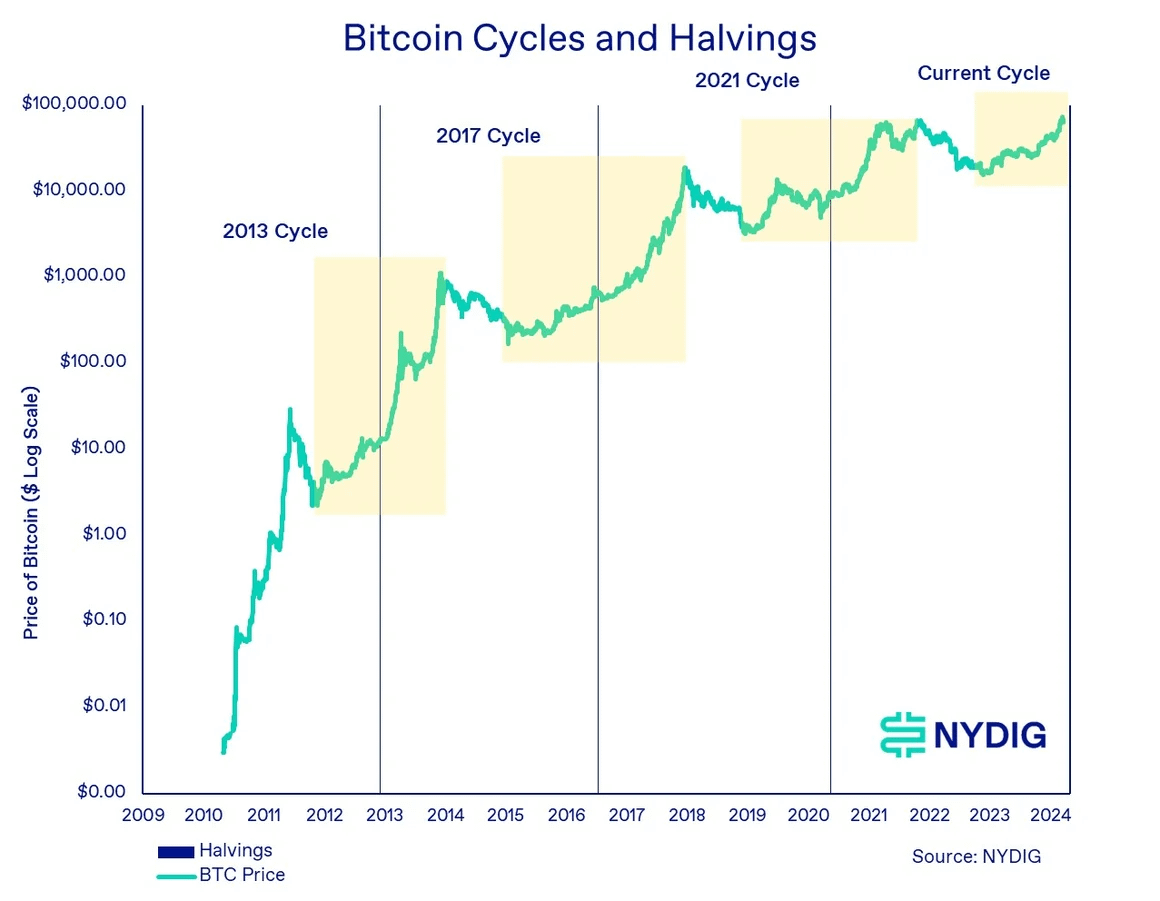
Looking back a few years from now, this may just be a small blip on the chart. But right now, as we sit in the middle of a quiet period, we all feel like it is endless. That is also why many people give up at this stage due to lack of patience.
Past cycles have shown that those who succeed with Bitcoin have never been the ones good at timing; rather, they are simply the ones who stayed long enough.
However, it is important to note that there is no guarantee that Bitcoin's upward trend will repeat itself as in the past. BTC could very well move sideways for many years or decrease further. So if you are holding Bitcoin with borrowed money, or putting all your assets into it, being patient will be very difficult. Bitcoin has previously decreased by 80-90%, and there is no guarantee that this time will be easier. At that time, the investment psychology for Bitcoin will be so heavy that you won't be able to hold on, no matter how strong your belief is.
#BTC
