

On January 30, 2026, the U.S. Department of Justice released more than 3 million pages of documents related to Jeffrey Epstein, the most notorious pedophile criminal in the U.S.
In addition to politicians, entertainment stars, and billionaires, the files also show a close relationship between Epstein and the crypto industry from its early days.
And the level of involvement is much deeper than what people imagine. From the Bitcoin Foundation, Coinbase, Tether,... to figures like Michael Saylor, Gary Gensler, or Kevin Warsh, who was just nominated by Trump to be the Chairman of the Fed.

1. Epstein learned about Bitcoin when the price was not yet 30 dollars
In 2011, almost no one in the traditional finance world was interested in Bitcoin. At that time, the price of BTC occasionally surged to 30 USD and then plummeted by 90%, with total trading volume for the year below 100 million USD.
However, newly released documents show that Epstein had an early interest in Bitcoin.
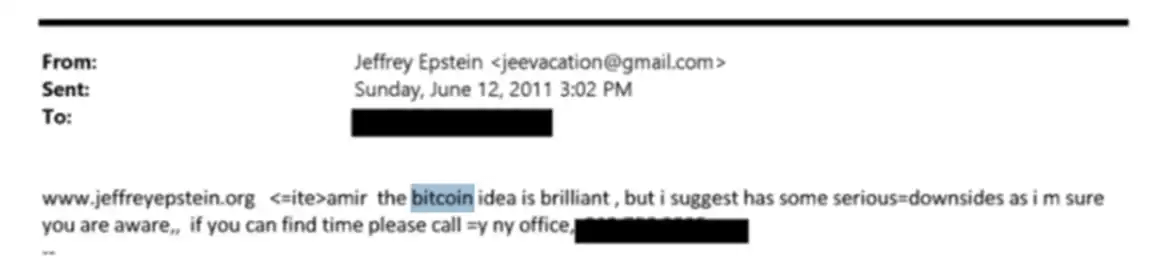
On June 12, 2011, just as Bitcoin was reaching its peak price that year, Epstein emailed to comment that this was 'a great idea, but it has serious drawbacks.'
By 2013, Bitcoin began to appear more frequently in Epstein's emails.
Notably, there were emails discussing the arrest of Ross Ulbricht (founder of the Silk Road black market) with Boris Nikolic, chief technology advisor to Bill Gates and later listed in Epstein's will. The two even mocked that Ulbricht made a foolish mistake by using Gmail with his real name.
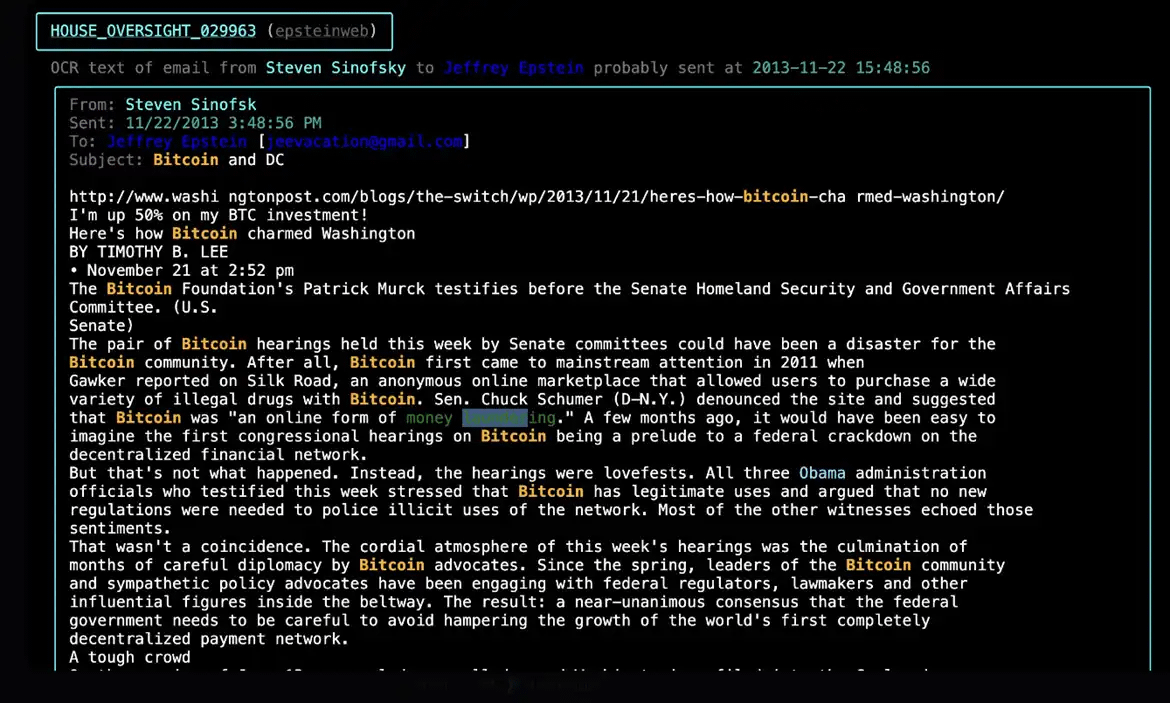
At the same time, Steven Sinofsky, former head of Windows at Microsoft and now a partner at a16z, boasted to Epstein that his Bitcoin investment had increased by 50%. Sinofsky even sent Epstein an article titled 'How Bitcoin is Enchanting Washington.'
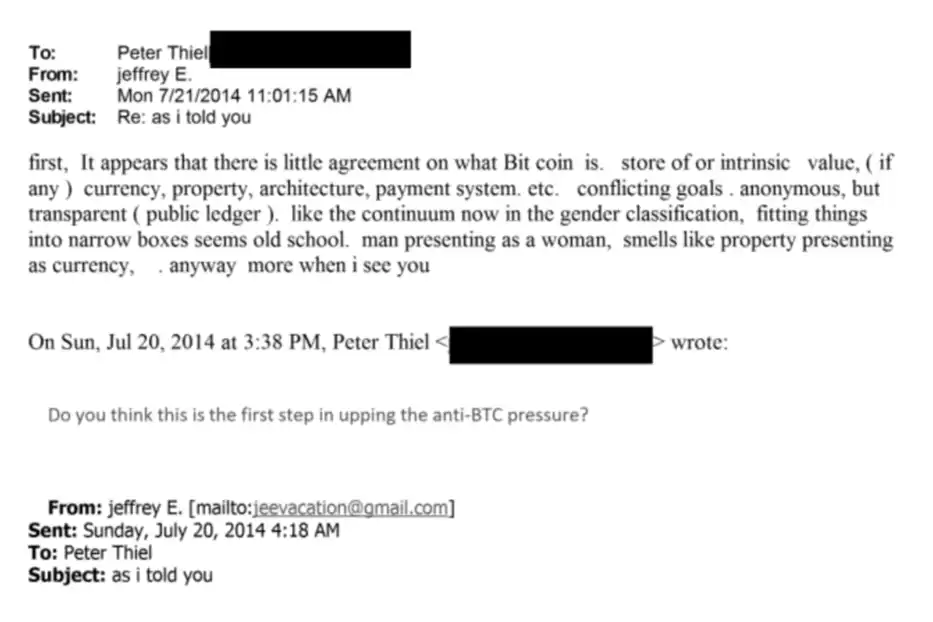
In 2014, Epstein's interest deepened further. He directly communicated with Peter Thiel, co-founder of PayPal and one of the most powerful technology investors in the world, about the nature of Bitcoin. Epstein said he 'did not know what Bitcoin really means, whether it is a means of storing value, a currency, or an asset. Bitcoin seems like something that superficially resembles currency but inherently has the nature of an asset.'
However, 5 Phut Crypto notes that although he was very knowledgeable about Bitcoin, Epstein seemingly never directly invested money into Bitcoin. On August 31, 2017, when someone asked him 'should I buy a Bitcoin', Epstein replied with just one word: 'No.' At that time, one Bitcoin was less than 5,000 USD. Four months later, it nearly reached 20,000 USD.
2. Epstein infiltrated the core infrastructure of the crypto industry
Although not investing in crypto, Epstein directly invested money into many of the most important infrastructure companies in the industry.
Coinbase – A super profitable investment
In December 2014, Epstein invested 3 million USD in Coinbase's Series C funding round through the shell company IGO Company LLC, when the exchange was newly valued at 400 million USD. The deal was led by Brock Pierce, co-founder of Tether and Blockchain Capital.
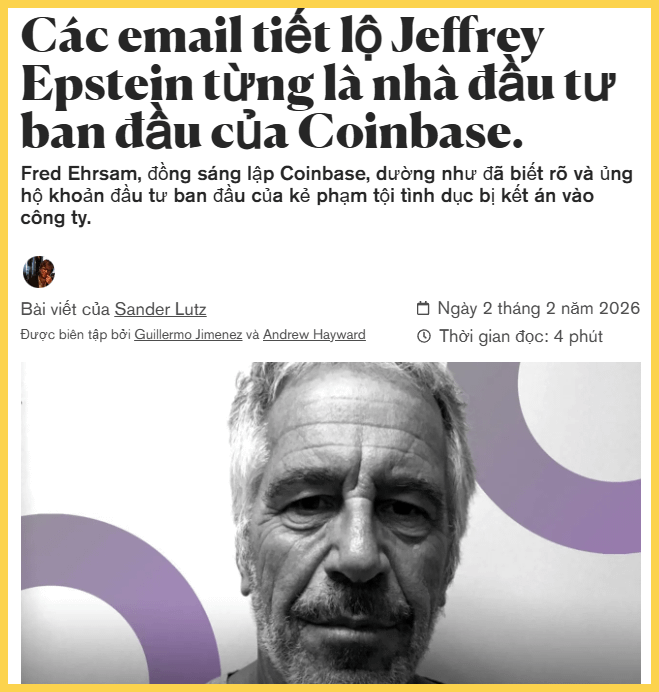
It is worth mentioning that Fred Ehrsam, co-founder of Coinbase, knew well who was behind this investment. He even proactively suggested meeting with Epstein in New York to discuss the deal. Previously, Pierce had sent an email asking Epstein for permission to disclose his identity to Coinbase, meaning Epstein was initially hidden behind the fund's name.
It is worth noting that at that time, Epstein had been convicted of sexual crimes since 2008. Yet Coinbase still accepted money from such a person, and the management was fully aware of it.
By 2018, Epstein sold half of his Coinbase shares to Blockchain Capital for nearly 15 million USD and retained the other half. If calculated based on the current valuation of Coinbase, the initial 3 million USD could have increased to over 100 million USD.
Blockstream – Building the Bitcoin infrastructure
Also in 2014, Epstein through the MIT Media Lab fund invested 500,000 USD in the 18 million USD funding round of Blockstream, one of the most important infrastructure companies for Bitcoin.
It would have stopped there, but the details revealed in recently declassified emails show that both Blockstream founders, Austin Hill and Adam Back, appeared in the flight arrangement emails to St. Thomas, an island just about 3 km from Epstein's private island.
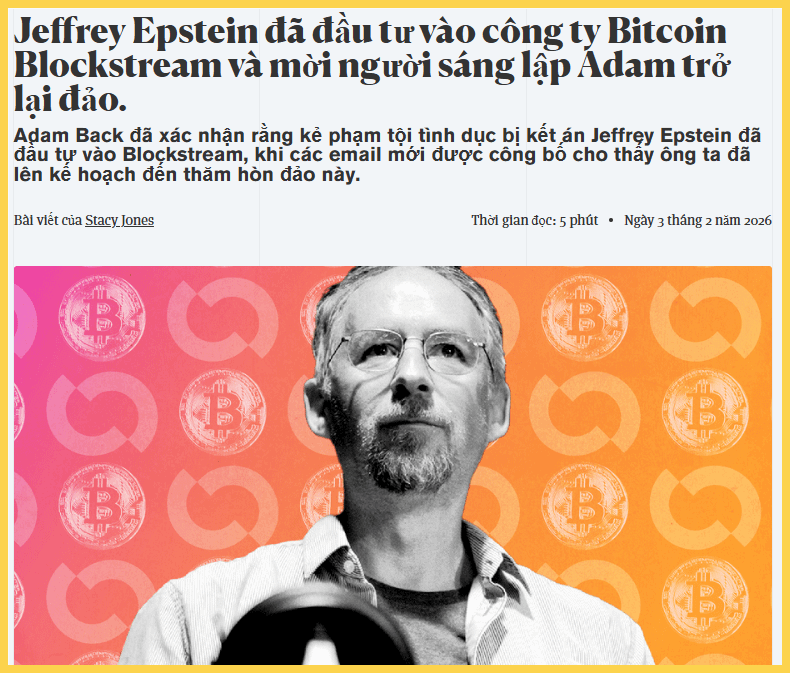
Adam Back denied any direct financial links between Blockstream and Epstein. He explained that MIT's fund once held a small stake but had fully divested out of concern for conflicts of interest. However, Adam Back did not mention anything about the emails regarding the St. Thomas trip. And the crypto community still finds it unconvincing.
Brock Pierce: the biggest bridge between Epstein and the crypto industry
In the entire recently declassified Epstein files, Brock Pierce's name appears more than 1,800 times. This number is enough to indicate the closeness between the two.
Brock Pierce is a key figure in the early days of Crypto. He co-founded several big names like Tether, Blockchain Capital, Block.one (the company behind the EOS token sale worth over 4 billion USD) and Mastercoin (the first ICO project in history). Pierce also served as Chairman of the Bitcoin Foundation. In 2018, Forbes even ranked him among the top 20 richest people in the crypto industry, with an estimated net worth of 700 million – 1 billion USD.
Pierce first met Epstein in 2011 on Epstein's private island and was also the one who introduced Epstein to invest in Coinbase, regularly forwarding Coinbase's investor updates to Epstein. In the email, Pierce once invited Epstein to invest in the crypto exchange Noble Markets and Tether.
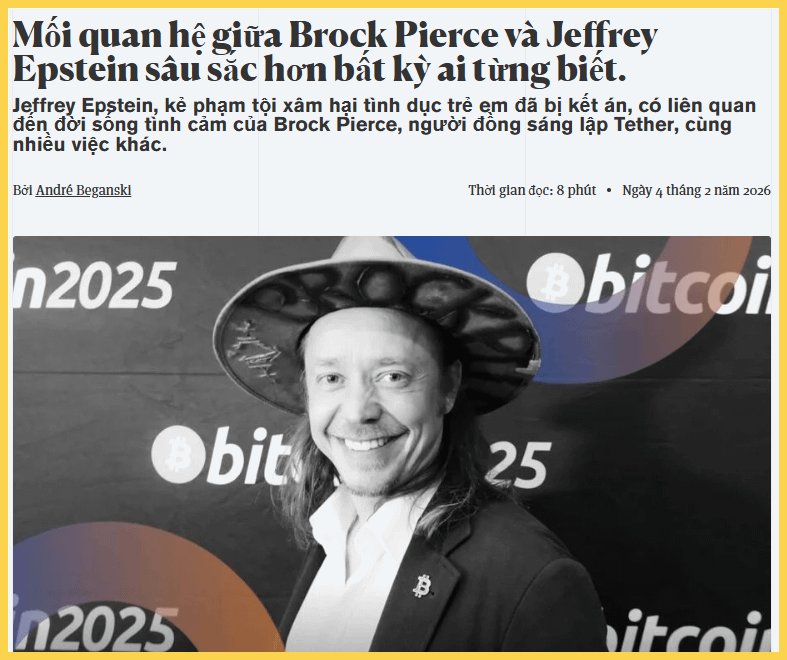
Pierce is very special because he met Epstein after Epstein had been convicted for the first time, and they continued to maintain a close relationship until Epstein was arrested for the second time. The two shared financial, legal, and accounting advice with each other. There was even an email from Pierce saying 'love you' along with an invitation to each other’s yacht.
3. Epstein paid Bitcoin programmers
During the period of 2014-2015, when the Bitcoin Foundation collapsed due to budget exhaustion, Bitcoin Core programmers lost their income, and without them, Bitcoin would struggle to continue developing.
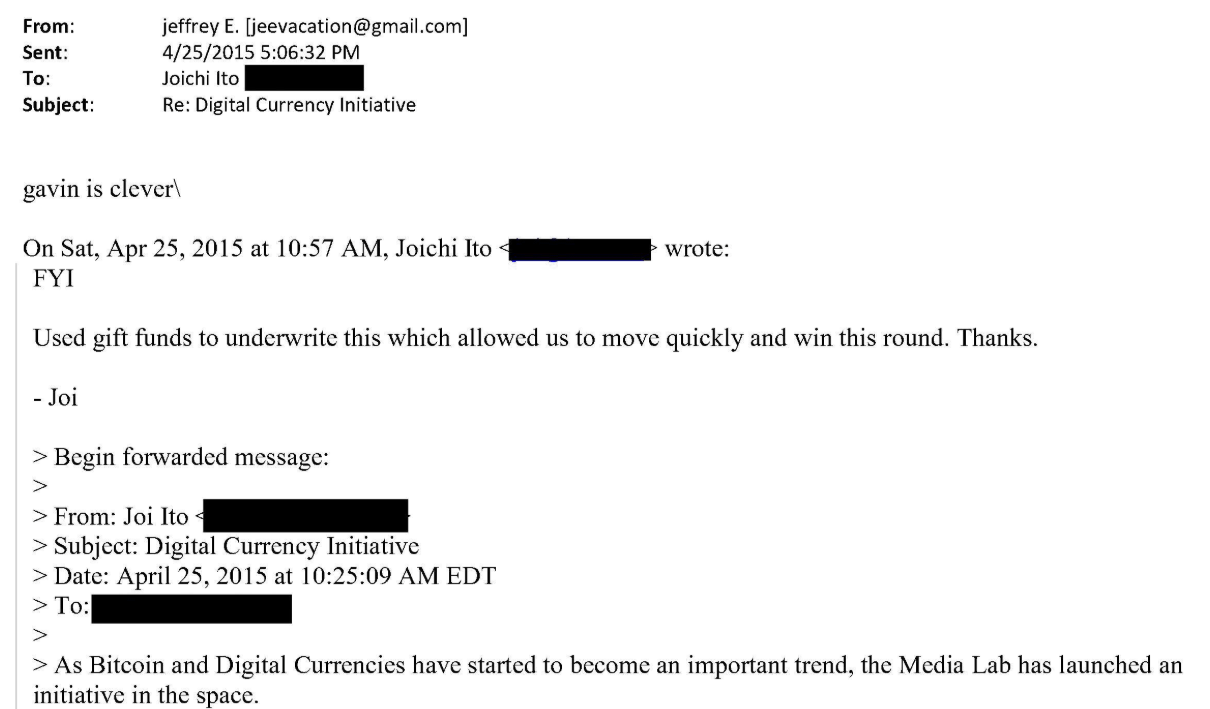
Joi Ito, Director of the MIT Media Lab, saw the opportunity and quickly convinced 3 out of 5 core programmers to work at MIT to continue building the Bitcoin infrastructure. But the funding for this program partly came from Epstein.
From 2002 to 2017, Epstein donated a total of 850,000 USD to MIT, of which 525,000 USD was specifically for the MIT Media Lab, which paid salaries for Bitcoin Core programmers. In the thank you email to Epstein, Ito wrote that thanks to the grant, MIT 'acted quickly and achieved a big win' because 'many other organizations were looking to take advantage of the situation to control Bitcoin programmers.'
A few months later, in August 2015, Ito and Reid Hoffman (founder of LinkedIn) hosted a dinner in Palo Alto. The guest list included Epstein, Elon Musk, Mark Zuckerberg, and Peter Thiel. These are the people who later became the strongest voices supporting Bitcoin & crypto.
Thus, part of the Bitcoin foundation that exists today comes from the dirty money of Epstein. And it must be acknowledged that if MIT had not accepted that money, the core programmers might have had to leave, and Bitcoin would have lost crucial brains at its most critical stage.
4. Did Epstein meet the founder of Bitcoin?
In October 2016, Epstein emailed a Saudi royal advisor. In the email, Epstein proposed two ideas for creating two new currencies for the Middle East. The first type was the 'Sharia' currency, a paper currency used internally in the Islamic world. The second was a digital currency compliant with Sharia law, built on Bitcoin technology.
And right after the second idea, Epstein added, 'I spoke with some Bitcoin founders. They were very excited.'
Notably, Epstein used the term 'founders', meaning plural. Meanwhile, Satoshi Nakamoto has been missing from the Internet since 2011. To this day, no one knows who Satoshi really is, whether a person or a group of people. If Epstein is correct, it is very likely that Satoshi is not an individual but a group. And Epstein knows who they are.
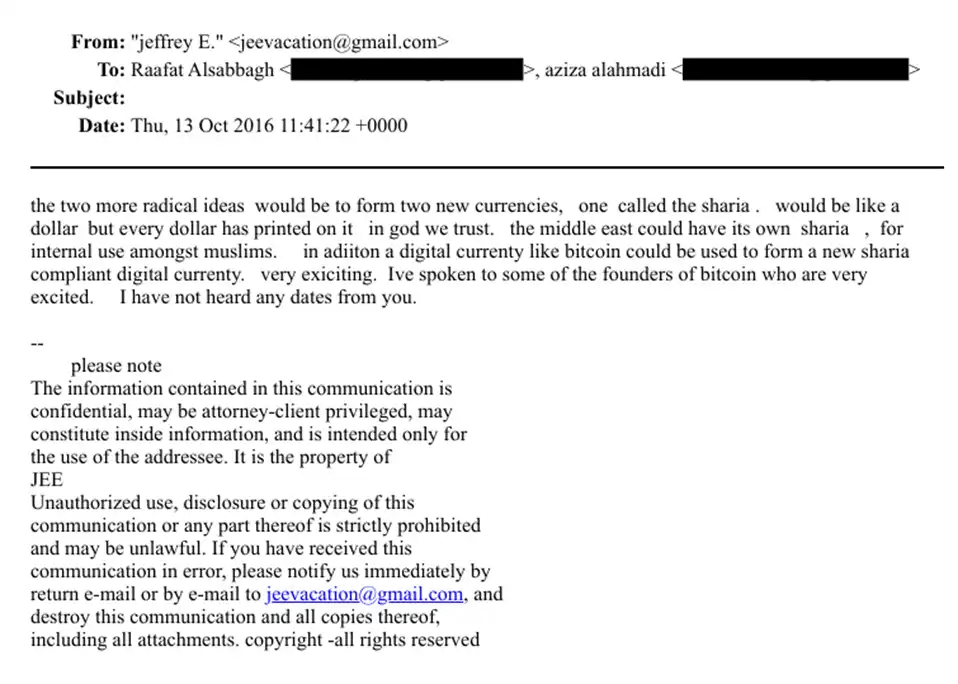
However, Epstein was known for exaggerating his relationships to impress partners. The purpose of this email was clearly to sell a business idea to the Saudi royal family, and claiming to know the founder of Bitcoin would help him appear much more credible.
But it cannot be denied that Epstein had real relationships with many figures in the inner circle of Satoshi:
Adam Back: Adam's Hashcash algorithm was cited by Satoshi in the Bitcoin white paper
Gavin Andresen: The person Satoshi directly granted access to the source code before disappearing
Joi Ito: The coordinator of funding for the core programming team
And the question many are asking after this information is if a financial criminal like Epstein knew the founder of Bitcoin, does the U.S. government truly not know or are they just choosing to remain silent?
5. Unexpected names: Michael Saylor, Kevin Warsh, and Gary Gensler
In addition to the direct relationship with Coinbase, Blockstream, or MIT, Epstein's files also mention several influential figures in the crypto industry.
Michael Saylor – The weirdo at Epstein's party
Michael Saylor, CEO of MicroStrategy (now renamed Strategy), appeared in Epstein's files through third-party accounts.
In 2010, Saylor spent 25,000 USD to attend an elite party hosted by Peggy Siegal (Siegal is a public relations expert working for Epstein).
Siegal described Saylor in an email as 'this guy is completely a weirdo, with no charm at all, like a drugged-out zombie. He sits right next to smart directors, but apart from the phrase ‘I have a yacht’ and ‘I’m going to Cannes,’ he can’t come up with anything else.' She couldn’t understand how to 'get money from this guy.'
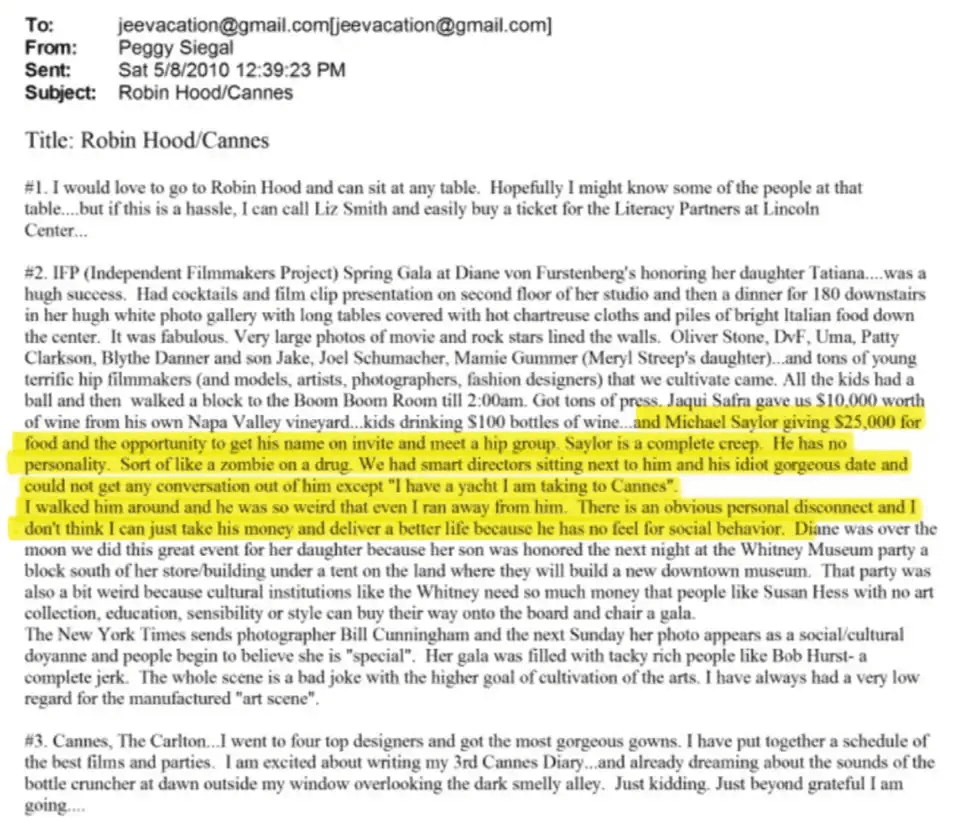
Apart from that detail, there is no evidence that Saylor communicated directly with Epstein or was involved in any wrongdoing. Perhaps Siegal's indifference was the luckiest thing for Saylor. He entered Epstein's circle once and never returned.
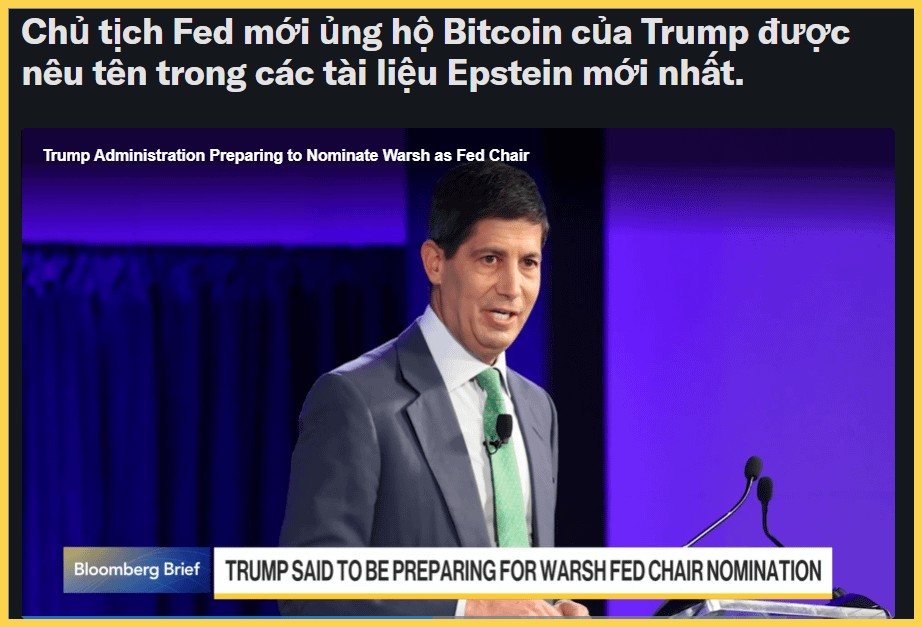
Kevin Warsh – The person nominated by Trump to be the Chairman of the FED
The name Warsh appeared on the guest list of a New Year’s Eve party in 2010 at St. Barts, a famous luxury vacation island for the super-rich in the Caribbean.
Warsh was once a Fed Governor under George W. Bush. He is also known for having a more open view of Bitcoin compared to many other figures at the FED. Warsh himself has not been accused of any wrongdoing. But what causes public uproar is the timing. He was nominated just one day before his name appeared in the Epstein files.
Gary Gensler, from MIT to the SEC Chairman’s chair
This is the most controversial character in the crypto community.
In an email in 2018 sent to Lawrence Summers (former U.S. Secretary of the Treasury), Epstein mentioned Gary Gensler with the remark 'quite smart' and referred to Gensler's political ambitions and interest in crypto.
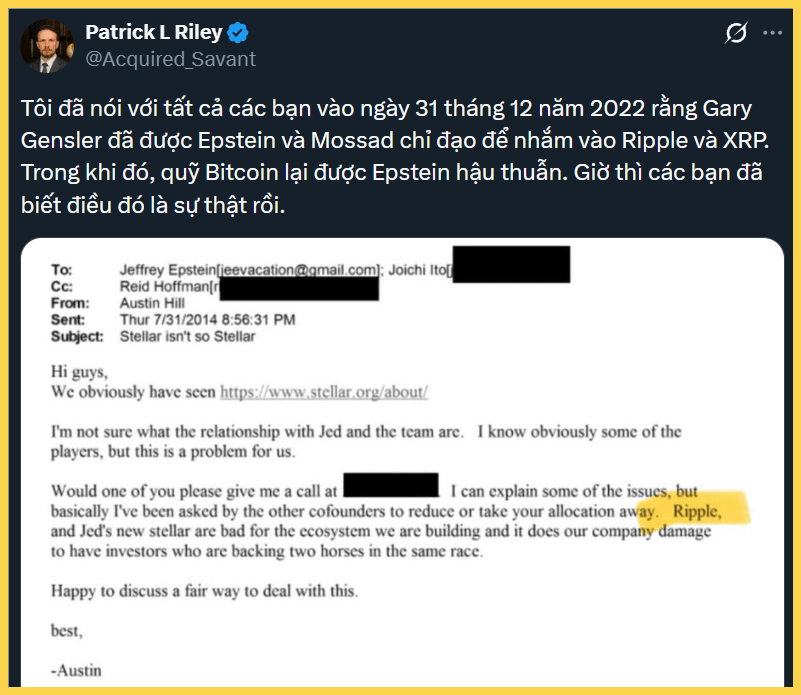
The issue is that Gensler taught courses on blockchain and crypto at MIT right at the time Epstein was funding the MIT Media Lab. Later, Gensler was appointed SEC Chairman in 2021 and conducted the most aggressive crypto regulatory campaign in history, including lawsuits against Coinbase, Binance, and Ripple.
The XRP community immediately linked these two events, believing that Epstein may have influenced Gensler's career and thereby affected crypto regulatory policies. However, 5 Phut Crypto needs to clarify that there is currently no direct evidence proving Epstein influenced Gensler's regulatory decisions.
6. Summary
Currently, the task of decoding Epstein's files has just begun. More than 3 million pages have been declassified, and the rest are still waiting to be revealed. What comes next could be even more shocking.
However, 5phutcrypto.io needs to clarify that the U.S. Department of Justice confirmed that they found no crypto wallets, blockchain transactions, or any evidence showing Epstein used crypto to launder money or facilitate criminal activities. Epstein did not directly use crypto for crime, but he used money and relationships to buy influence in the industry, just as he operated in every other field.