

Imagine a world where your data isn't locked away in big tech servers, controlled by corporations that can delete or sell it without your say. Instead, it's free, secure, and even earns you money. That's the promise of the Walrus Protocol and its token, WAL coin. In simple terms, Walrus is like a giant, unbreakable digital warehouse built on blockchain technology. It stores all kinds of data from photos and videos to AI models and business files in a way that's decentralized, meaning no single company or person owns it all. This creates a "bright revolution" in how we handle information, making the internet fairer, smarter, and ready for the AI boom.
What makes WAL coin unique? First off, it's not just another crypto hype. WAL is the fuel for the Walrus network. When you want to store data, you pay with WAL, and the system is designed to keep costs steady, like paying a flat fee in dollars, no matter how the token's price swings. This stability comes from smart math that adjusts payments over time. Plus, WAL is deflationary lmeaning its supply shrinks as people use it. Every time data is stored, a tiny bit gets "burned" or destroyed forever, which could make the remaining coins more valuable. There's also staking: hold WAL to help secure the network, and you earn rewards. It's like being a landlord for digital space, getting paid while keeping things safe.
The infrastructure Walrus builds is revolutionary because it solves big problems in today's web. Traditional storage like Google Drive or Amazon Cloud is centralized if they go down or censor content, your stuff vanishes. Walrus spreads data across many computers (nodes) worldwide using tricks like "erasure coding," which breaks files into pieces and adds extras for backup. Even if half the nodes fail, your data stays intact and available. This is perfect for Web3 apps, where everything needs to be trustworthy and always-on. Built on the Sui blockchain, Walrus is fast and cheap, handling huge files that other blockchains struggle with. It's chain-agnostic too, so it works with other networks, not just Sui. 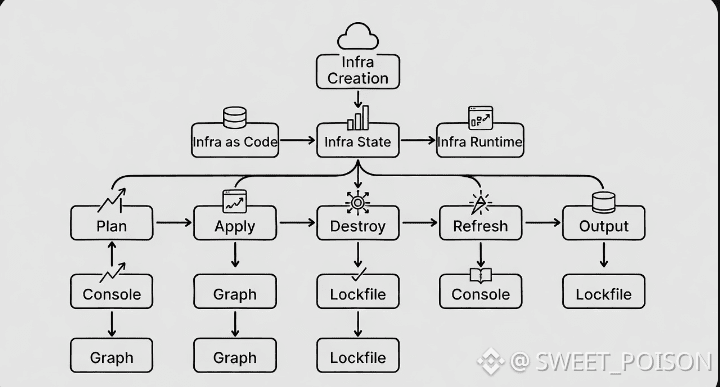 Now, picture the "bright revolution" this sparks, especially in AI. Data is the new oil, but right now, it's messy fake news, stolen info, and no way to prove ownership. Walrus turns data into "programmable assets." You can verify it's real, sell access to it, or use it to train AI models securely. For example, companies like Pudgy Penguins store their fun penguin art on Walrus, scaling up to terabytes without worry. AI projects like OpenGradient use it for private model training, keeping secrets safe. Even soccer apps like OneFootball and data platforms like Arkham are jumping in. This creates "data markets" where creators monetize their work directly artists sell digital art, scientists share datasets, and AI agents remember things forever without central bosses.
What's interesting is how Walrus flips the script on power. In the old web, big firms like Meta or Google hoard data and profit from it. Walrus gives control back to users. You own your data, decide who sees it, and even govern the network through WAL voting. No more broken links or lost files everything is censorship-resistant and eternal. For gamers, it means unbreakable NFTs; for DeFi, secure records; for everyday folks, a safer online life. Since launching mainnet, over 170 projects have built on it, showing real demand. The token's price hovers around $0.14, but with growing use, it could soar as more data flows in.
This isn't just tech talk it's a shift toward a brighter future. Walrus and WAL coin are quietly building the backbone for an AI-powered world where data empowers everyone, not just the giants. As Web3 grows, storage like this will be essential, like roads for cars. If you're into crypto or AI, watch WAL: it's not flashy, but it's foundational. Own your data, join the revolution, and see how simple, secure storage changes everything.