Bitcoin is once again sitting at a critical level. While global macro conditions are becoming more complicated, Bitcoin has managed to remain relatively stable around the $70,000 region. Liquidity conditions are shifting, political pressure on the Federal Reserve is increasing, and expectations for interest rate cuts remain extremely low. At the same time, the U.S. dollar is strengthening and traditional markets are showing signs of weakness. This mix of forces has created a unique environment where Bitcoin’s resilience is being tested.
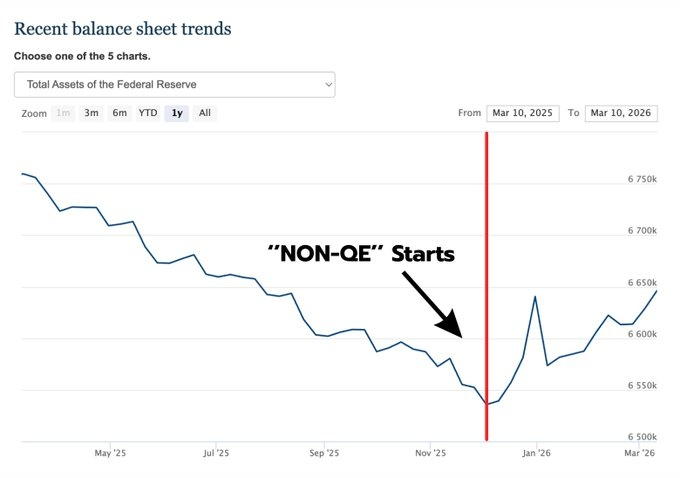
One of the biggest developments behind the scenes is the expansion of the Federal Reserve’s balance sheet. Since December 1, 2025, the balance sheet has increased by more than $110 billion. These purchases were not officially described as quantitative easing. Instead, they were short-term Treasury operations designed to maintain adequate bank reserves while Treasury bill issuance remained high. Even though the move was technical in nature, it helped ease pressure in money markets and prevented liquidity stress from escalating. In the short term, this kind of liquidity support often provides a mild positive effect for risk assets, including crypto.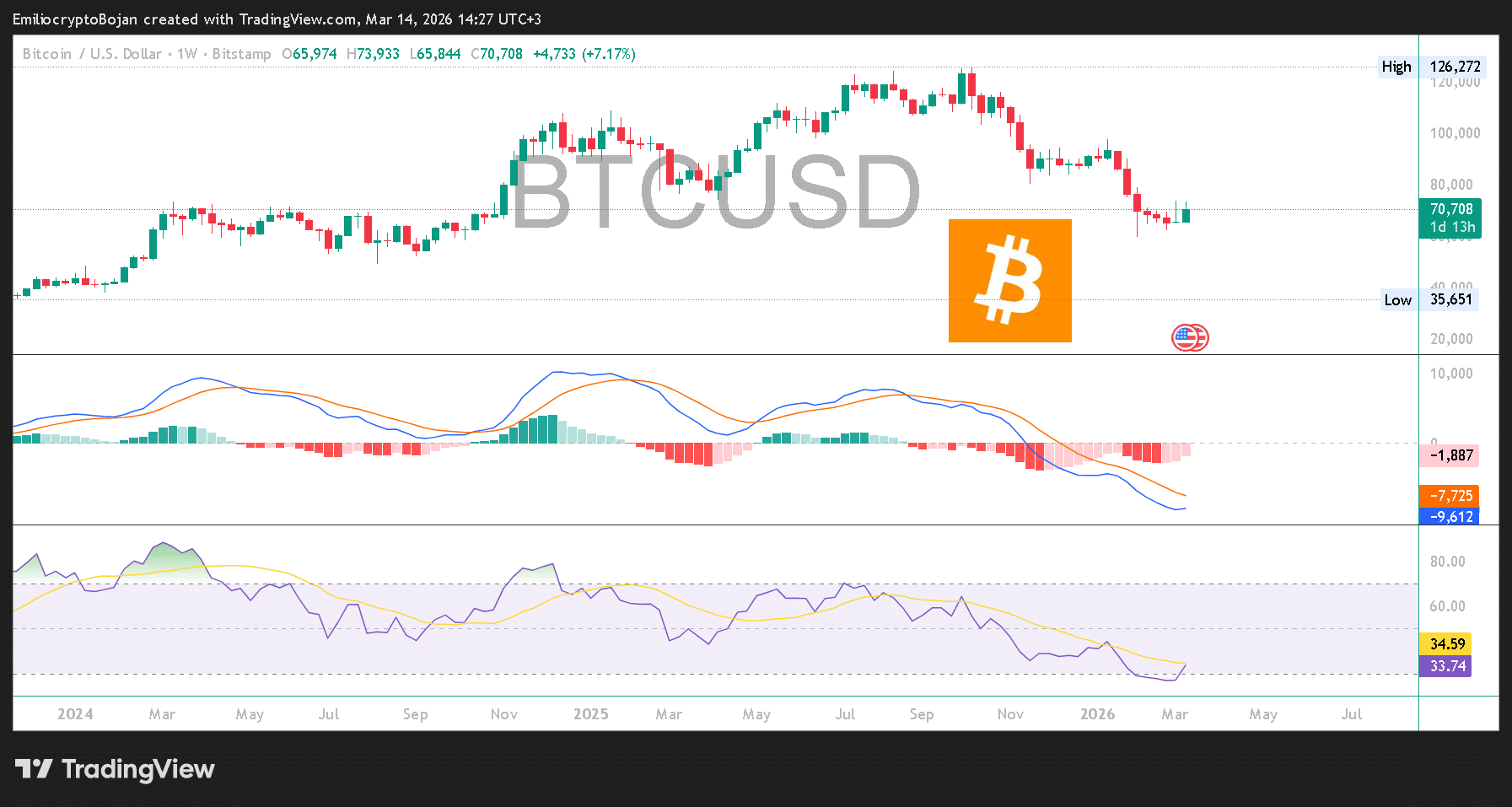
Political pressure on the Federal Reserve has also entered the conversation. On March 12, 2026, Donald Trump publicly called for an immediate rate cut rather than waiting for the upcoming Federal Open Market Committee meeting scheduled for March 17 and 18. Despite this demand, financial markets are not expecting the Fed to change policy right now. Traders are currently pricing only about a 0.6 percent probability of a rate cut, which shows that most participants believe interest rates will remain unchanged for the time being. This gap between political rhetoric and market expectations highlights how cautious investors remain.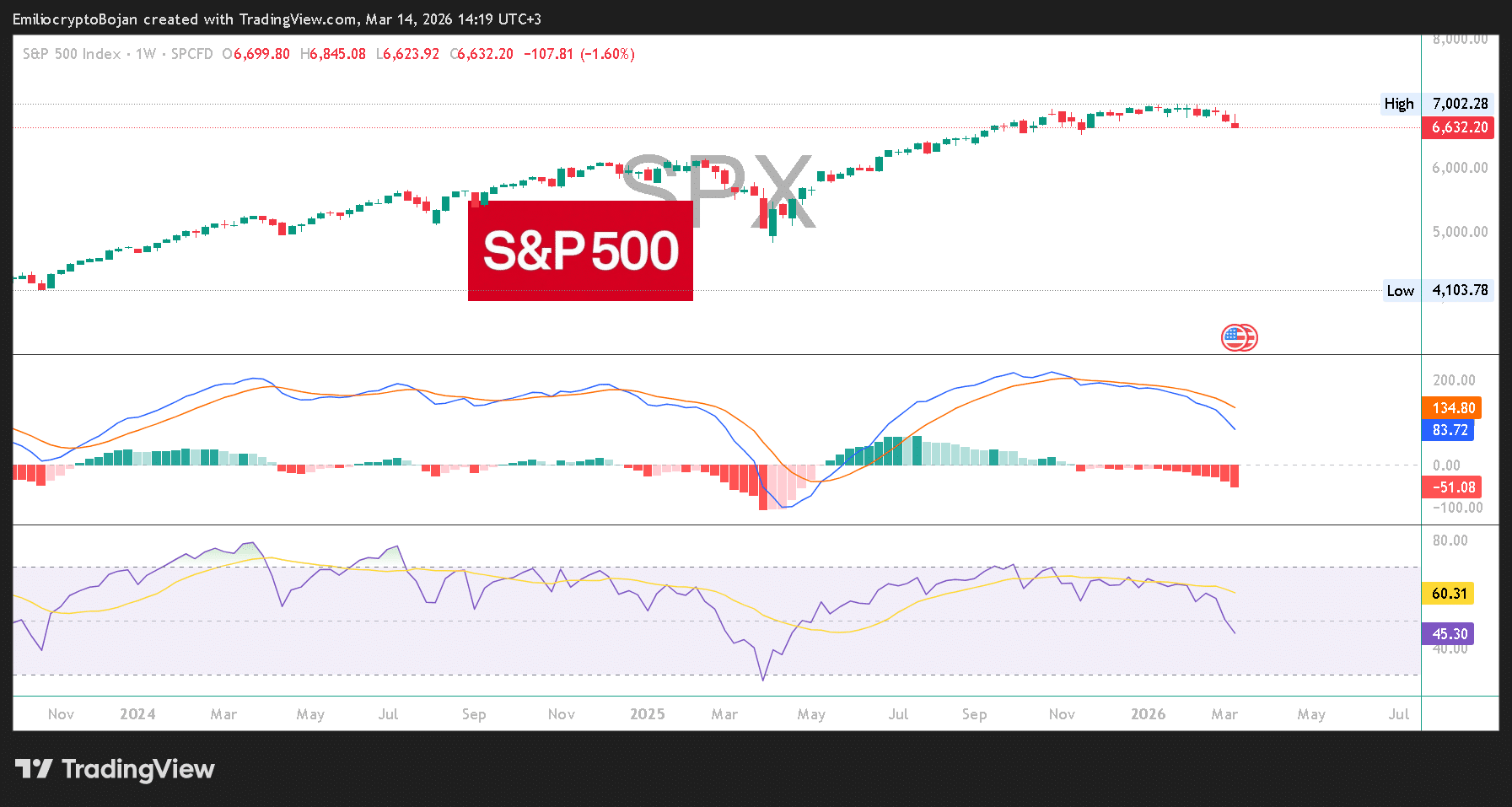
At the same time, the U.S. dollar has started gaining strength again. The Dollar Index recently moved back above the 100 level and has been trading around 100.49. A stronger dollar usually tightens financial conditions and tends to weigh on risk assets such as cryptocurrencies. Alongside this, the S&P 500 has also shown weakness, trading around 6,632 points. When traditional markets begin to soften and the dollar strengthens, crypto markets typically face additional pressure.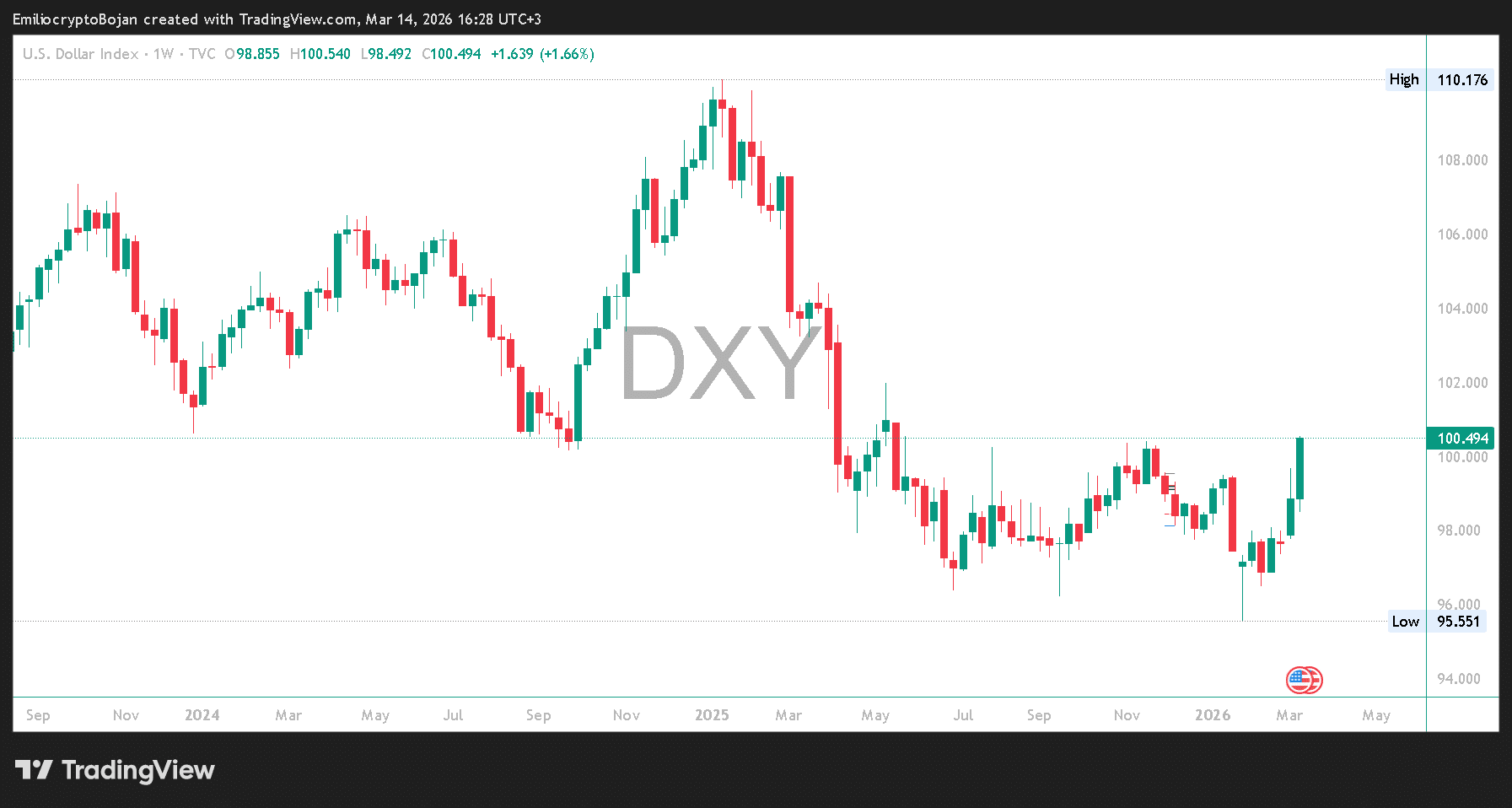
Despite these conditions, Bitcoin has not broken down. After falling to around $60,000 earlier, the asset recovered and produced two consecutive green weekly candles. This rebound came after a long stretch of six red weekly candles, which makes the recovery more notable. Bitcoin has continued to trade close to the $70,000 level, showing that buyers are still willing to defend this area even while the macro environment remains uncertain.
The coming weeks will likely determine whether this support level can hold. If Bitcoin continues to stabilize around $70,000 while macro conditions remain difficult, bearish arguments could lose strength. On the other hand, if macro pressure intensifies further, this level may face another serious test. For now, Bitcoin’s ability to stay resilient in a complicated economic backdrop remains one of the most interesting developments in the market.