
Geopolitical tensions in the Middle East have once again placed the Strait of Hormuz at the center of global attention. Recently, Abbas Araghchi stated that the critical maritime route will remain open to most countries, but ships belonging to the United States and Israel will not be allowed to pass due to ongoing military tensions.
Trade here 👇


This announcement comes amid escalating conflict in the region following recent military strikes and retaliatory threats. Iran’s leadership has made it clear that the waterway is still open for global trade, but restrictions will apply to nations it considers hostile.
Why the Strait of Hormuz Matters?
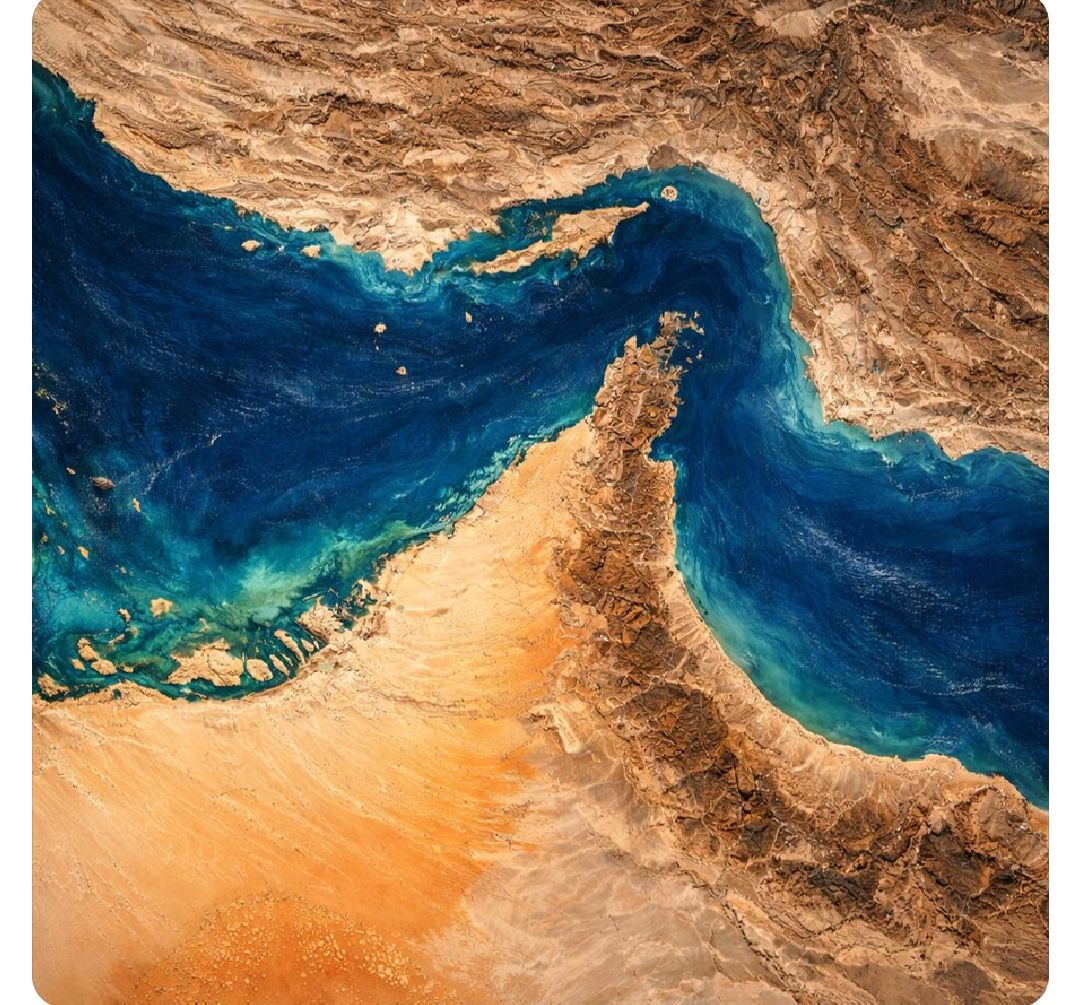
The Strait of Hormuz is not just another shipping lane — it is one of the most strategic energy corridors in the world. Nearly 20% of the global oil supply passes through this narrow route every day, connecting major oil producers in the Persian Gulf to international markets.
Countries across Asia heavily rely on oil shipments traveling through this corridor. Any disruption in this passage can instantly impact global energy prices, shipping insurance costs, and financial markets.
Countries Still Able to Use the Route
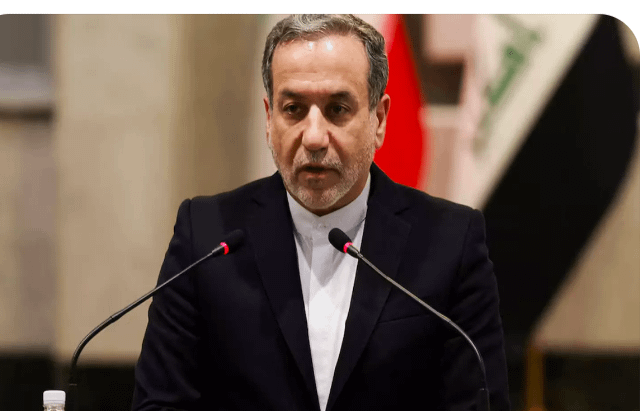
According to Iran’s statement, vessels from several countries are still permitted to navigate the strait. These include nations such as:
Pakistan
China
Russia
North Korea
Bangladesh
Yemen
Lebanon
Iraq
However, despite the permission, many shipping companies remain cautious due to security risks in the region.
Potential Impact on Oil and Crypto Markets
Whenever tensions rise in the Gulf region, energy markets react quickly. Oil prices can surge if traders fear disruptions in supply routes. This can trigger wider economic ripple effects across global financial systems.
Interestingly, geopolitical instability often pushes investors toward alternative assets such as cryptocurrencies. During periods of uncertainty, digital assets like Bitcoin and Ethereum sometimes see increased demand as traders look for decentralized hedges against political and financial risks.
The Bigger Picture
Iran’s decision appears to be a strategic message rather than a complete blockade. By allowing most countries to pass while restricting specific rivals, Tehran is attempting to maintain global trade flows while applying political pressure on its adversaries.
For traders, investors, and global markets, the situation remains extremely sensitive. Any escalation could influence oil prices, stock markets, and even crypto volatility in the coming weeks.
Conclusion
The Strait of Hormuz remains one of the most critical chokepoints in the global economy. Iran’s selective access policy highlights how geopolitical decisions can quickly affect international trade and financial markets.
For crypto investors and traders, monitoring geopolitical developments is becoming just as important as technical analysis.