
At first glance, the rising tension between the United States and Iran appears to revolve around familiar issues — oil supply, regional security, and nuclear negotiations. But some analysts believe the situation could connect to something deeper within the global financial system.
To understand the broader picture, it's worth looking beyond headlines.
Iran’s Gold Reserves and Strategic Wealth
Iran is believed to hold substantial gold reserves distributed across several major cities. Financial and geopolitical analysts often point to vault systems beneath locations such as Tehran, Isfahan, Shiraz, and Mashhad.
Estimates suggest that hundreds of tonnes of gold may exist within the country's reserve infrastructure.
On the surface, that may sound like a standard central bank reserve. But historically, gold has played a much deeper role in the global financial system.
For thousands of years, gold has served as the ultimate monetary collateral — used to store value, stabilize currencies, and support national wealth. Even today, central banks around the world continue increasing their gold holdings as a strategic hedge against uncertainty.
The Surge in Gold Prices
Over the past year, gold has experienced an extraordinary rise.
Prices climbed from roughly $2,600 per ounce to above $5,000, marking one of the most dramatic moves in the precious metals market in decades.
Such sharp increases typically occur during periods of:
Economic uncertainty
Rising geopolitical tensions
Structural shifts in the financial system
Central banks globally have also been purchasing gold at the fastest pace seen in many years, signaling preparation for a potentially more volatile economic environment.
Where Geopolitics Meets the Monetary System
When a country holding significant reserves of strategic assets becomes the focus of geopolitical pressure, the effects can extend far beyond politics.
Three major systems begin interacting simultaneously:
1. Energy Markets
Oil supply and transportation routes quickly become sensitive to regional instability.
2. Global Financial Markets
Currencies, bonds, and equities may reprice risk as uncertainty increases.
3. Monetary Reserve Systems
Assets such as gold become increasingly important as financial backstops.
When these systems collide, the ripple effects can spread across the entire global economy.
Energy prices may react quickly. Currency markets can become volatile. Commodity prices often surge, and risk assets frequently reprice.
Digital assets like Bitcoin ($BTC) and Ethereum ($ETH) often move alongside broader financial volatility as capital shifts across markets.
Why Analysts Are Watching Closely
Global markets today are deeply interconnected. A geopolitical shift in one region can quickly affect capital flows worldwide.
This doesn’t necessarily signal an immediate crisis — but it does highlight how sensitive modern financial systems have become to geopolitical developments.
Major market moves rarely occur randomly. They usually emerge when several large systems shift at the same time.
For investors and market observers, the key principles remain the same:
Stay informed
Focus on risk management
Maintain patience and discipline
Look beyond short-term headlines
The coming months may reveal how global capital reacts to rising geopolitical and monetary uncertainty.
Those watching closely may gain valuable insight into the next major phase of the global market cycle.
Market Snapshot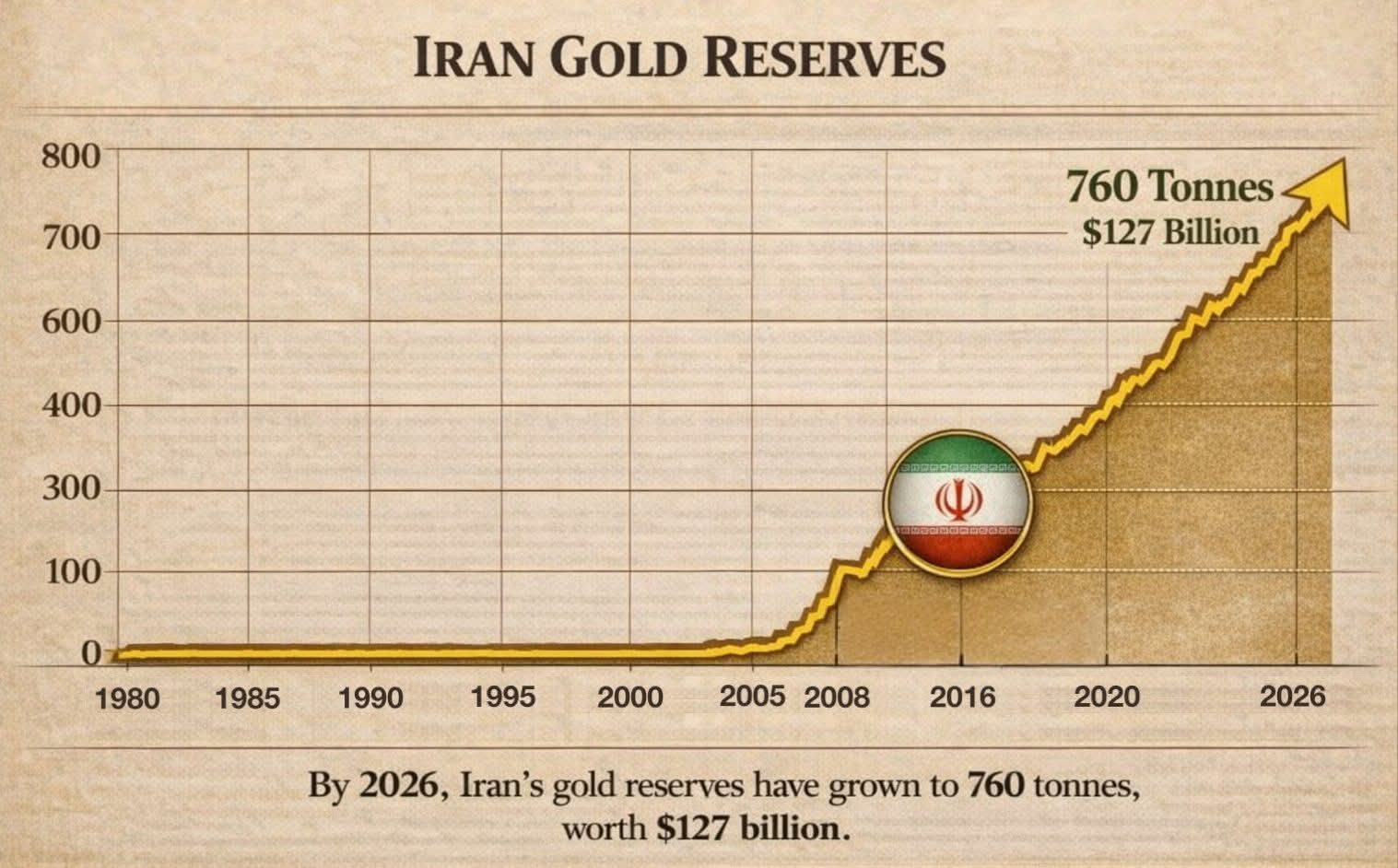



#IranianPresidentSonSaysNewSupremeLeader