#robo $ROBO cryptocurrency is positioned at the intersection of blockchain technology, artificial intelligence, and robotics — a niche that is still emerging but carries significant long-term potential. Unlike many speculative tokens that revolve purely around hype cycles, $ROBO ’s broader narrative centers on enabling machine-to-machine economies, decentralized coordination, and automated systems powered by blockchain infrastructure.
At its core, ROBO functions as a utility and governance token within its ecosystem. The token is designed to facilitate payments, staking, and participation in protocol decisions. This gives ROBO an embedded economic role rather than existing solely as a tradable asset. In blockchain ecosystems, tokens that provide clear on-chain utility often demonstrate stronger long-term sustainability compared to those lacking functional demand drivers.
One of ROBO’s key strengths lies in its thematic alignment with real-world technological trends. Robotics and AI automation are expanding rapidly across logistics, manufacturing, defense, and consumer applications. The idea behind ROBO is to create a decentralized coordination layer where autonomous systems can interact securely and efficiently. In theory, such a system could allow robots or automated agents to transact value, verify identity, and coordinate tasks without centralized intermediaries. While this vision remains ambitious, it differentiates ROBO from traditional DeFi or meme-based tokens.
From a development perspective, ROBO has focused on building infrastructure before aggressively expanding marketing narratives. The project has emphasized smart contract deployment, staking mechanisms, and governance frameworks that allow token holders to influence network evolution. These features create alignment between developers, validators, and long-term holders. Staking mechanisms also reduce circulating supply pressure by incentivizing token lockups, which can contribute to ecosystem stability if adoption grows.
Recent developments include exchange accessibility improvements and expanded ecosystem awareness. Broader trading availability increases liquidity and market participation, which are critical for price discovery and investor confidence. Additionally, partnerships and integration efforts within robotics and AI communities remain central to the project’s long-term value proposition. Even small pilot integrations can significantly strengthen credibility in such a technically demanding niche.
Looking at the roadmap, ROBO’s trajectory appears to follow a phased approach. The initial phase focuses on establishing core blockchain infrastructure and token utility. The next phase emphasizes ecosystem growth — including developer onboarding, staking participation, and governance expansion. Long term, the roadmap suggests deeper real-world integration with robotics platforms, automation frameworks, and potentially cross-chain interoperability to scale adoption.
However, risks remain. The robotics-blockchain intersection is still experimental, and mainstream adoption of decentralized machine economies may take years. Market volatility, competition from AI-focused crypto projects, and execution challenges could impact performance. As with any early-stage crypto asset, valuation is driven partly by narrative strength and future expectations rather than current revenue streams.
Overall,$ROBO represents a high-risk, high-potential project anchored in an innovative theme. Its long-term success will depend on real technological integration, developer traction, and the broader evolution of AI-dr
iven automation.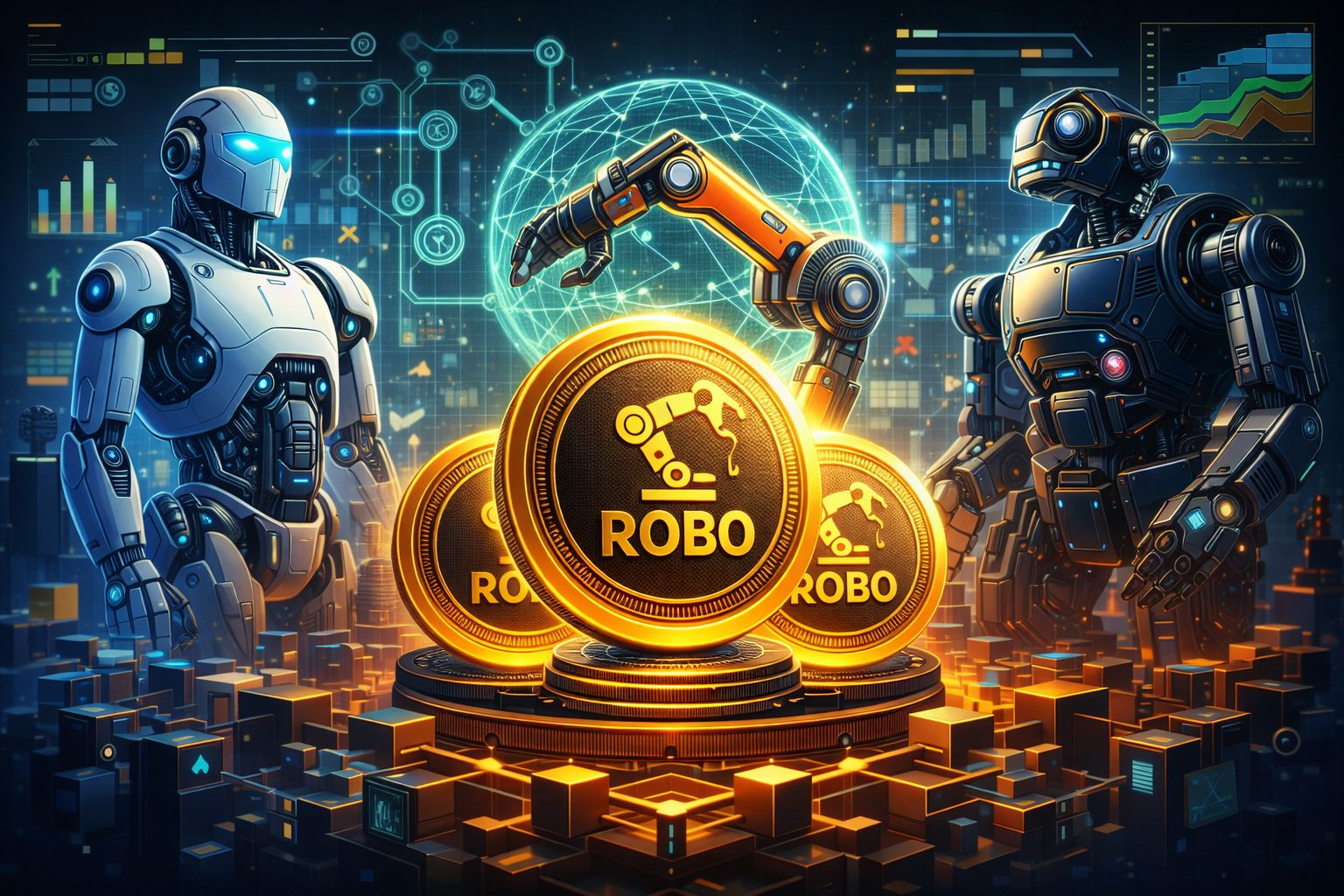
#ROBO #RoboticsRevolution #ROBO #BinanceFutures #CryptoTrading #Altcoins #Perpetual #FuturesTrading