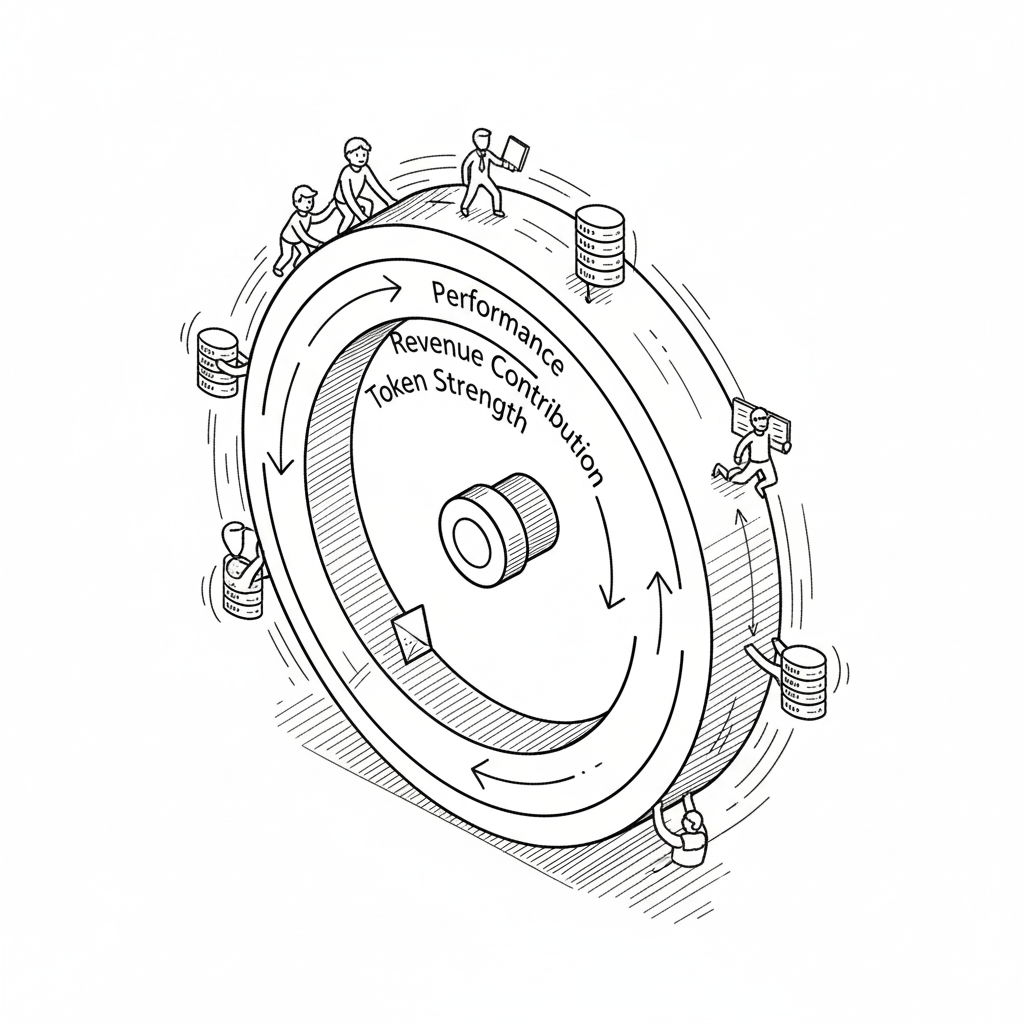
guarantees liquidity can be rented. Economic gravity, however, cannot. Most networks get the two mixed up. They leverage activity through emissions, attract capital with the promise of transient economics, and tout increases in volume as success. However, rented liquidity comes and goes with the same ease. What’s left behind are the incentives.
Fogo’s “build for now, design for the future” approach changes the paradigm. Rather than focusing on rented liquidity, it creates economic gravity. Real economics, provided by a custom client built with Firedancer, guarantee activity is not simulated—it’s viable. When economics are real, development occurs because the environment works, not because it’s subsidized.
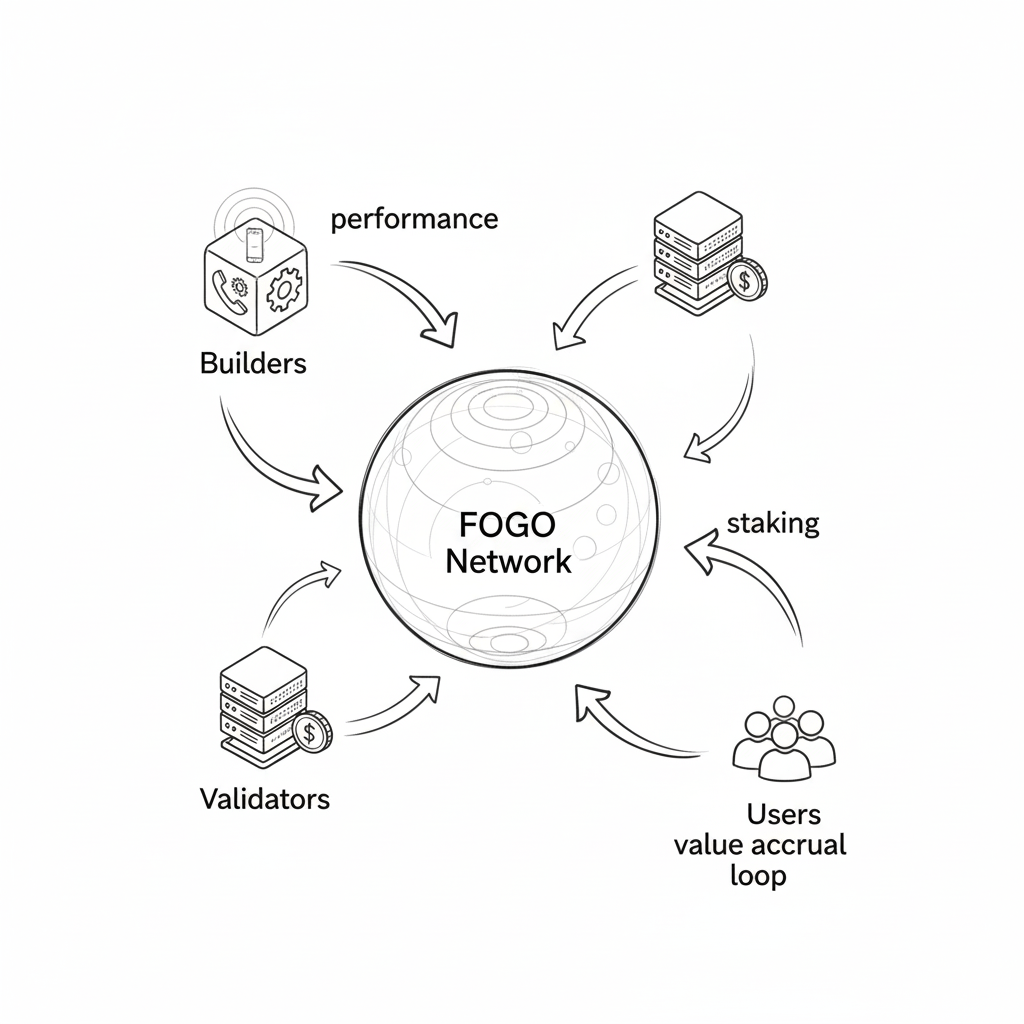
The underlying principle here is the concept of alignment. $FOGO is not just gas; it’s the coordination layer. Validators earn, holders contribute to the security of the network, and projects funded by the foundation return value to the ecosystem. It’s the reinforcing loop of use cases driving token fundamentals instead of diluting them.
Gravity, as defined in the field of finance, is what remains during the bad times. If projects are sticking around during the bad times, then there’s structural confidence. If performance is delivering the operational certainty, then community-first distribution delivers ownership certainty. These are the drivers of gravity instead of speculation.
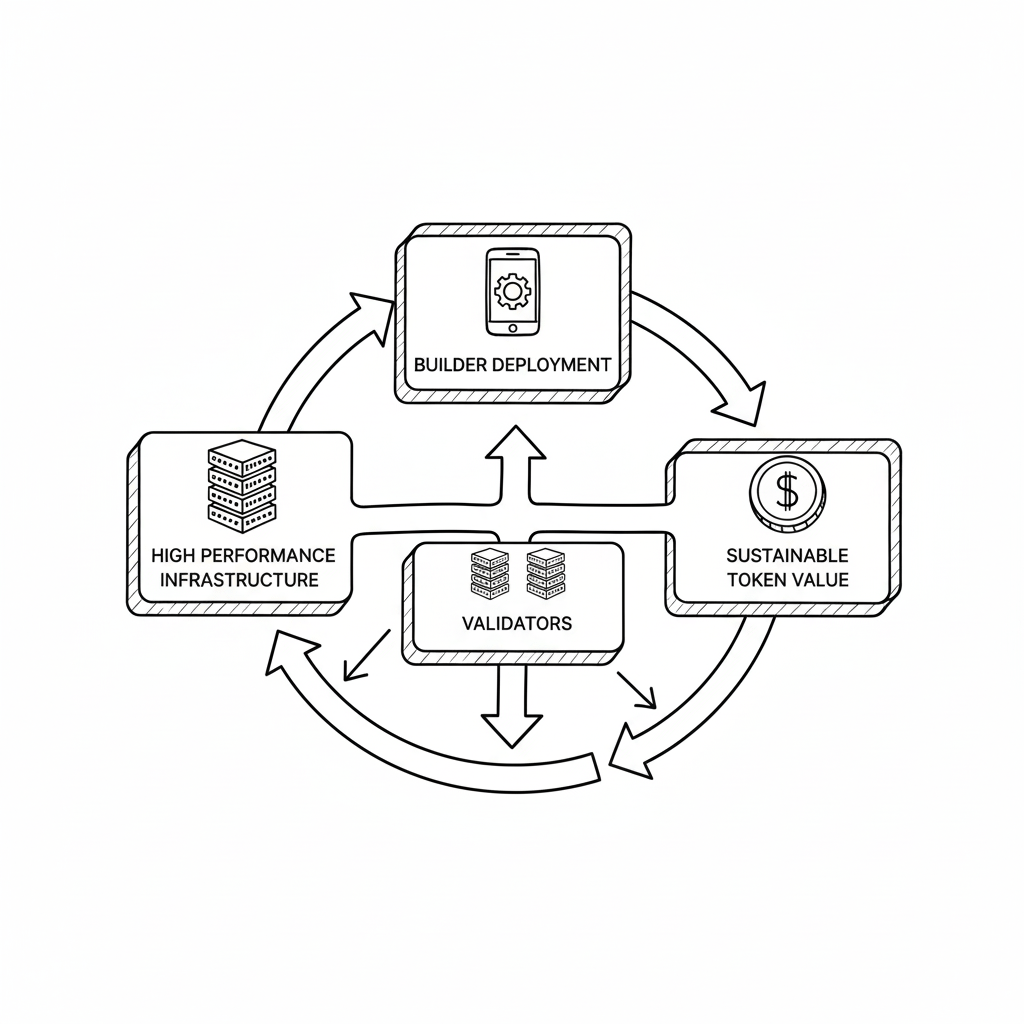
The future of L1 competition won’t be won by screenshots of max TPS. The future of L1s will be won by the ones that succeed in creating lasting economic mass. Gravity is harder to design than liquidity rental, but it compounds quickly. That’s where real decentralization happens quietly.