

I used to read the phrase AI-ready infrastructure and nod without thinking too much about it.
Faster chain. Lower fees. Better tooling. Sounds reasonable.
Until I tried to model something very simple: how a real AI-driven workflow would behave on-chain over time.
Not a demo.
Not a single transaction.
A system executing actions all day, every day, as part of a business process.
That’s when I realized most “AI-ready” claims collapse under a very basic question:
Can this run continuously without humans babysitting the network?
Because an AI agent doesn’t pause to check conditions.
It doesn’t wait for the “right moment” to act.
It doesn’t tolerate unpredictability.
It just executes.
And that’s where things started to break in my head.

The moment I stopped thinking about transactions
Most discussions around AI and blockchain focus on what happens during a transaction.
Speed. Finality. Throughput.
But an AI workflow is not made of isolated transactions. It’s made of sequences that must happen reliably, repeatedly, and without supervision.
If every action depends on gas behavior, network load, or external variables, then the system is not autonomous.
It is conditional.
And conditional systems cannot support real automation.
That was the first mental shift for me:
The problem is not whether a chain can process a transaction.
The problem is whether it can be trusted to behave the same way thousands of times in a row.
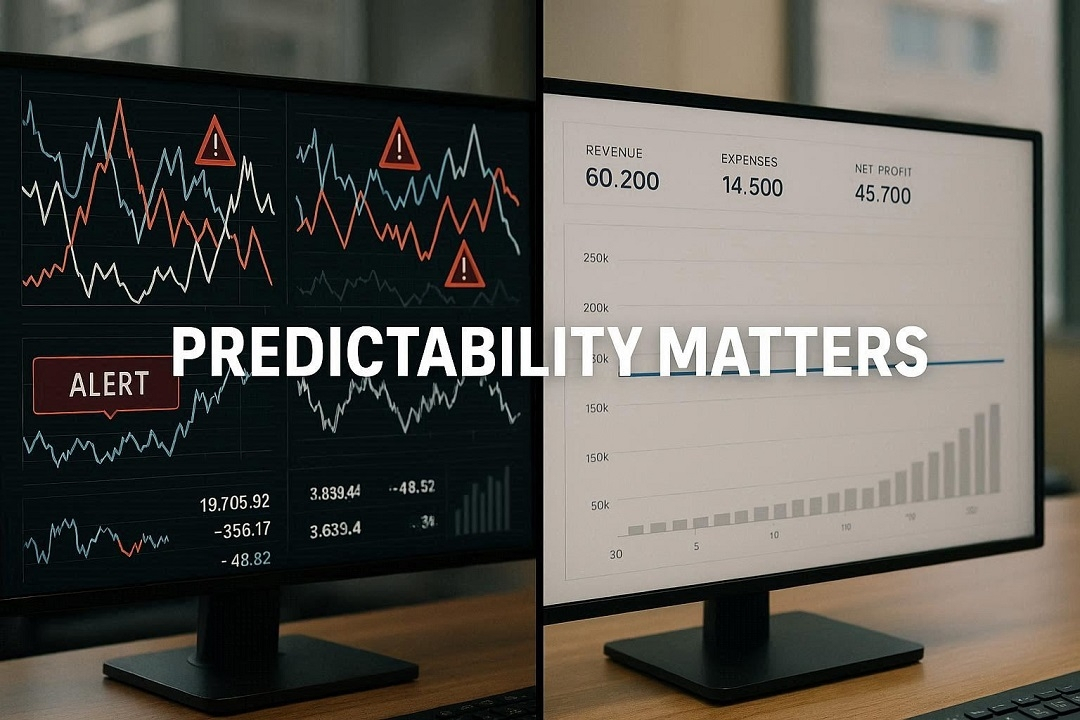
Why unpredictability is fatal for AI operations
When I tried to think like someone building a serious AI process, I realized something uncomfortable.
You cannot deploy an AI system if:
You don’t know how much it will cost to operate tomorrow.
You don’t know how the network will behave under external pressure.
You don’t know if execution conditions will suddenly change.
That’s not infrastructure.
That’s an environment that requires supervision.
And the moment a human must supervise, the “AI-ready” narrative falls apart.
Because the system is no longer autonomous. It is assisted.
The detail that made me look at Vanar differently
What caught my attention in Vanar was not a headline feature.
It was something that initially looked boring:
USD-denominated fixed fees through USDVanry.
At first glance, it feels like a minor technical choice.
But when you think in terms of AI agents, automation, or continuous execution, it becomes a fundamental requirement.
Because now, for the first time, you can model the operational cost of a system before it runs.
Not estimate.
Not simulate.
Know.
That changes how you think about deploying intelligence on-chain.

The second realization: memory is part of the environment
Then I looked into how Vanar approaches data persistence with Neutron.
Most chains force any intelligent system to constantly rely on external databases to remember context.
That adds latency. Complexity. Points of failure.
Vanar treats memory as something native to the environment, not an external dependency.
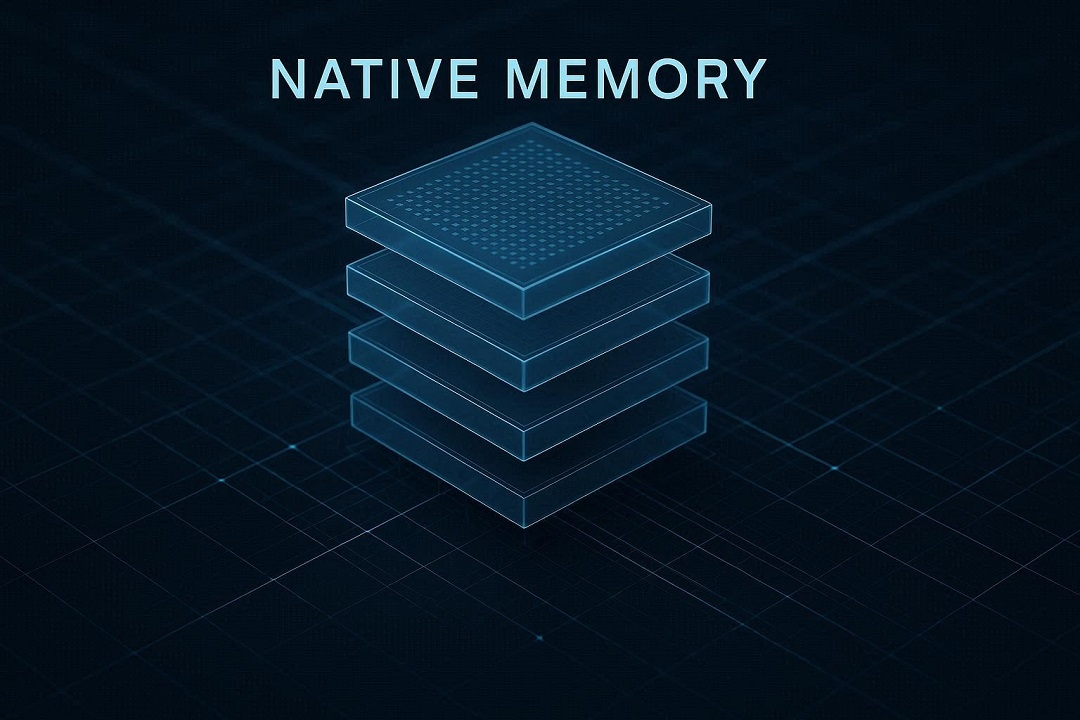
Which means an AI process can operate without constantly leaving the chain to remember what it did.
That’s not a narrative feature.
That’s an architectural decision
Conclusion
I don’t think Vanar is interesting because it says “AI”.
I think it’s interesting because, when you mentally simulate a real AI workflow, it’s one of the few environments where that simulation doesn’t immediately break.
Stable costs.
Predictable behavior.
Native memory.
No need for supervision.
That’s what AI-ready actually looks like when you stop reading marketing and start modeling reality.
