
I have noticed something strange about blockchain over the years. The technology that promised freedom, ownership, and control over our digital lives quietly introduced another problem that very few people talk about seriously. Every transaction, every balance, and every interaction on most blockchains is permanently visible to the world. What started as transparency has slowly turned into complete exposure. For everyday users this might feel uncomfortable, but for companies, institutions, and serious builders it becomes a major barrier. Midnight Network exists because of this exact problem, and the deeper I looked into it, the more I realized that this project is trying to solve something fundamental rather than simply launching another token.
I have seen countless crypto projects promising privacy before, but Midnight approaches the issue from a much more mature angle. Instead of hiding everything behind total anonymity, the network is designed to allow people to prove something is true without revealing the actual data behind it. This idea is powered by zero-knowledge cryptography, a method that allows verification without disclosure. In simple terms, Midnight makes it possible to confirm that a transaction, identity, or condition is valid while the sensitive information stays completely protected.
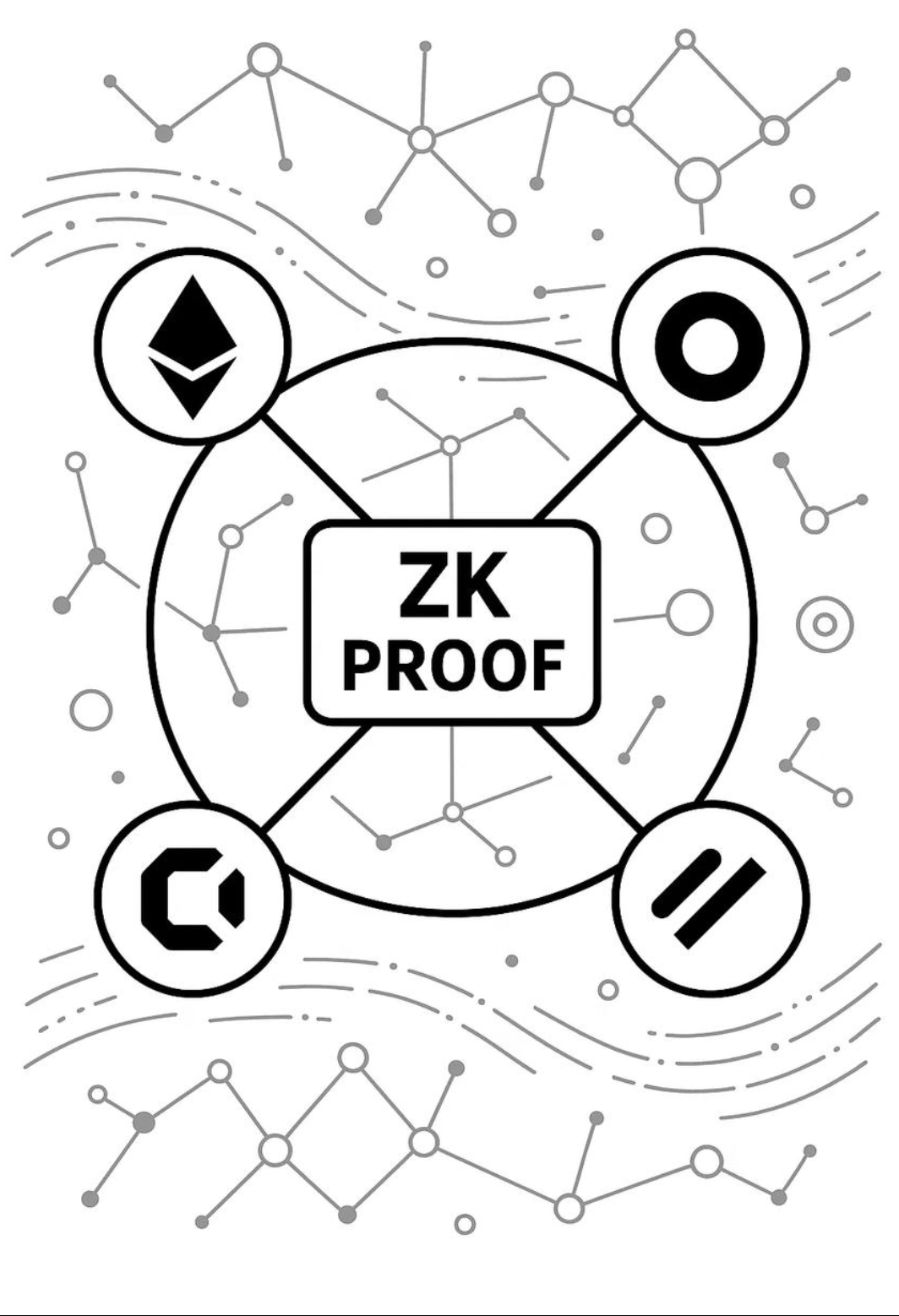
The problem this solves is much bigger than most people realize. Traditional blockchains like the ones we use today are designed for radical transparency. Anyone can inspect the ledger and track activity between wallets. While this helps create trust, it also creates a world where financial behavior, business strategies, and personal data can become public knowledge. For individuals that may be uncomfortable, but for corporations, healthcare systems, financial institutions, and governments it makes blockchain almost impossible to use in real scenarios. No serious organization can expose confidential information every time it interacts with a decentralized network.
Midnight changes that dynamic by creating an environment where privacy and verification can exist together. Data can remain confidential while the blockchain still confirms that everything happening inside the system is legitimate. Instead of revealing the entire transaction or data set, the network generates a cryptographic proof that confirms the rules were followed. This means the outcome is trusted without forcing the participants to reveal the sensitive information that produced it.
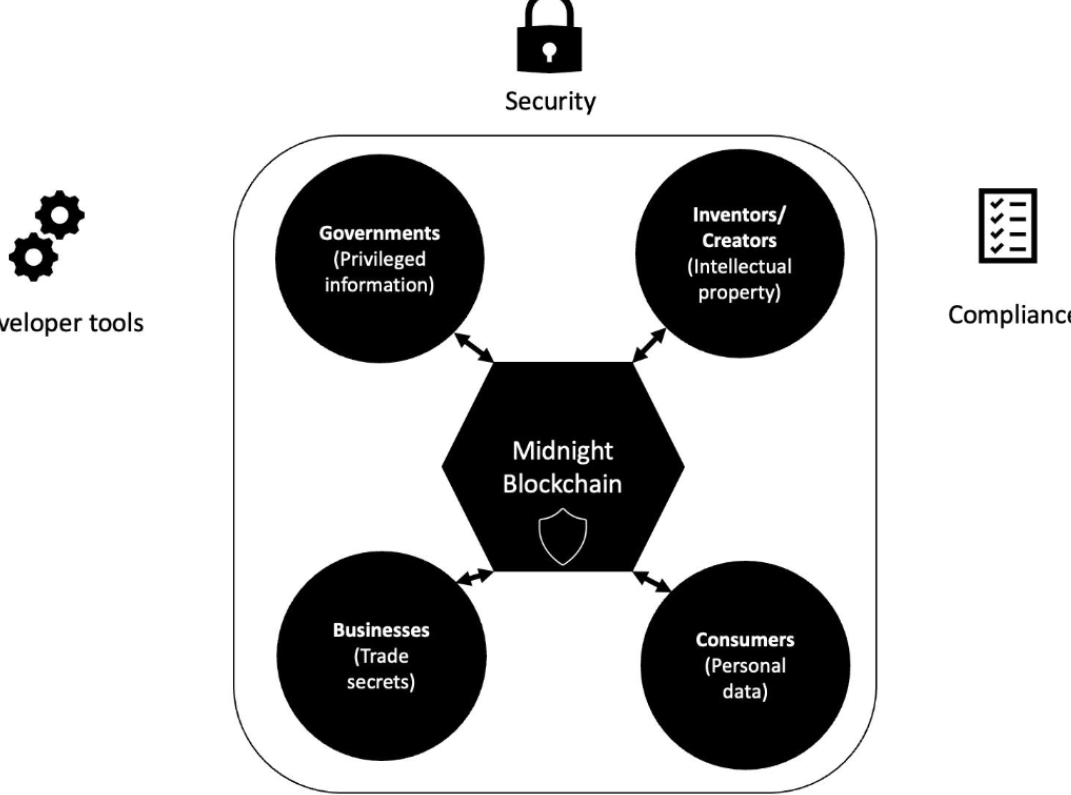
I find the philosophy behind Midnight particularly interesting because it does not attempt to eliminate transparency entirely. The network introduces a concept that many researchers call selective disclosure. This means users maintain full control over what information they reveal and when they reveal it. Someone could prove they meet regulatory requirements without exposing personal identity details. A company could demonstrate financial compliance without showing confidential records. This balanced approach makes the technology far more compatible with real-world systems that require both privacy and accountability.
The architecture supporting this vision relies heavily on zero-knowledge proofs, which have become one of the most powerful innovations in modern cryptography. These proofs allow one party to demonstrate the truth of a statement without revealing the underlying data itself. Midnight integrates this technology directly into its blockchain infrastructure, allowing developers to build applications where privacy is not just an optional feature but a built-in capability.
Another aspect that caught my attention is the network’s economic design. Midnight introduces a dual-resource model built around its primary asset called the NIGHT token. Instead of using the main token directly for transaction fees, holding NIGHT generates a secondary operational resource known as DUST. This resource powers activity on the network, such as running smart contracts or executing transactions. The structure separates long-term value from operational costs, which could help stabilize the ecosystem while keeping the network efficient for users.
From a developer’s perspective, the project also attempts to solve one of the biggest obstacles in the zero-knowledge space: complexity. Historically, building privacy-focused applications required deep expertise in cryptography and specialized mathematics. Midnight aims to simplify this process by providing a development environment where builders can create privacy-enabled smart contracts without needing to master advanced cryptographic engineering. If this approach succeeds, it could dramatically increase the number of developers capable of building secure and confidential decentralized applications.
The types of users who could benefit from this technology extend far beyond the typical crypto community. Developers gain the ability to create decentralized applications that protect sensitive information. Financial institutions can experiment with blockchain settlements without exposing trading strategies. Healthcare organizations could share research data while keeping patient records protected. Governments could eventually build digital identity verification systems where citizens prove credentials without publicly revealing personal documents.
Digital identity is one area where Midnight’s model could become extremely powerful. Today the internet relies heavily on centralized databases storing personal information, which frequently become targets for hacking and data leaks. Midnight introduces a system where someone could prove they hold a valid credential without revealing the underlying identity data. A person could confirm they meet age requirements, possess a professional license, or belong to a verified institution without handing over the private documents that support those claims.
Decentralized finance is another sector where privacy could significantly reshape the landscape. Current DeFi systems operate entirely in public view, which means trading strategies, portfolio balances, and liquidity movements can be observed by competitors and automated bots. For serious traders or institutions this level of transparency creates risk. Midnight introduces the possibility of executing transactions privately while still allowing the blockchain to confirm their validity. This could open the door for a much larger class of participants to engage with decentralized finance.
When I look at the broader direction of Web3, I see a shift happening beyond speed and scalability. The next generation of blockchain systems will also be defined by how they handle data ownership and privacy. Governments around the world are tightening regulations around personal information. Businesses are becoming more cautious about how their data is shared. Users themselves are growing increasingly aware that their digital footprint is constantly exposed.
Midnight Network is attempting to build infrastructure for that future. Instead of focusing on hype cycles or short-term narratives, the project addresses one of the most important structural limitations of blockchain technology. If decentralized systems are going to integrate with real global industries such as finance, healthcare, identity management, and enterprise operations, they must be able to protect sensitive information while maintaining trust.
I see Midnight as an attempt to build exactly that missing layer. It is not simply another blockchain competing for attention in an already crowded market. It is a system designed to change how information moves through decentralized networks. By allowing truth to be verified without revealing the data behind it, Midnight introduces a concept that could redefine privacy in Web3.
And if the digital world continues moving toward greater awareness of data ownership and protection, projects like Midnight may quietly become some of the most important infrastructure shaping the next era of blockchain technology.
#night @MidnightNetwork $NIGHT
