
Can $NIGHT enable programmable darkness layers where blockchains deliberately create cryptographic “blind zones” for autonomous AI agents to negotiate, transact, and evolve without human-readable transparency?
I’ve been watching a quiet shift happening across crypto infrastructure. For years, the industry obsessed over transparency. Every transaction visible. Every wallet traceable. Every contract readable on-chain. Radical openness became the default design principle of blockchain systems.
But here’s the uncomfortable reality: absolute transparency isn’t always compatible with autonomous intelligence.
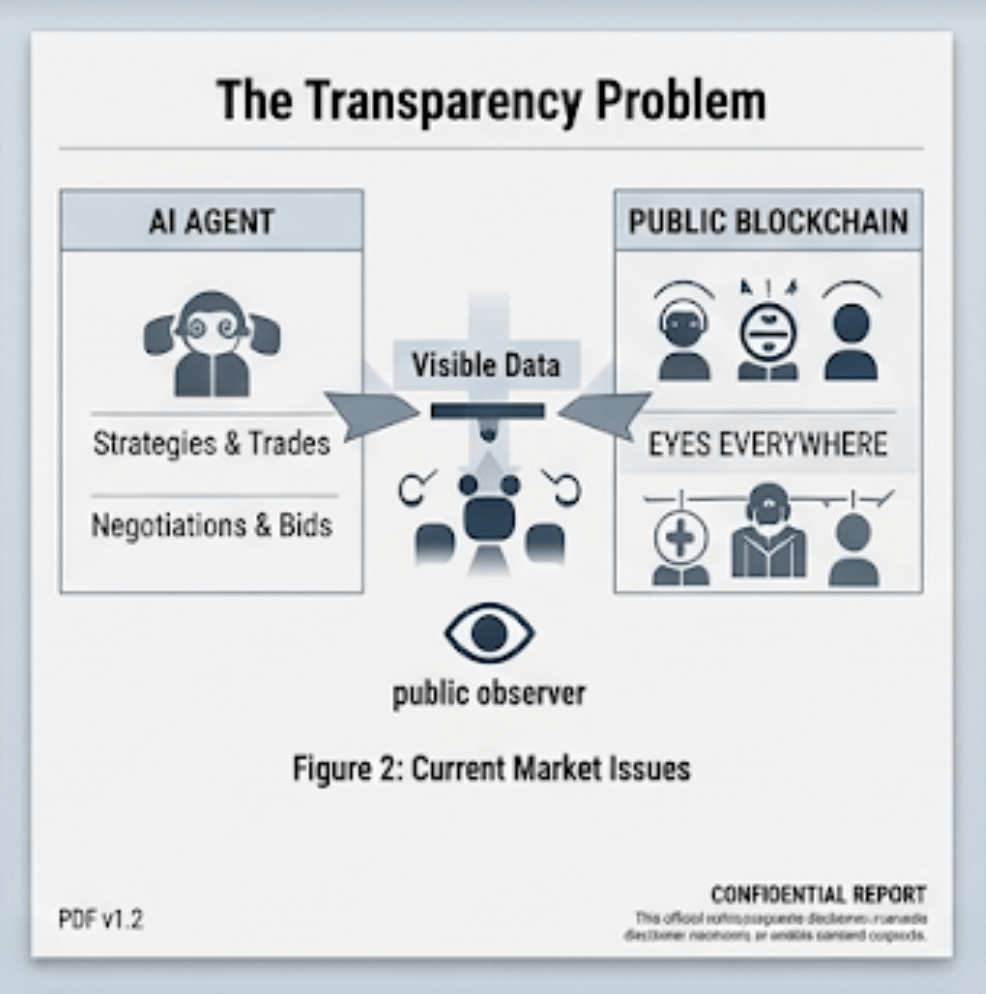
As AI agents begin to interact with blockchain networks—negotiating compute resources, coordinating liquidity, or managing decentralized services—full human-readable transparency can actually become a constraint. Imagine trying to run a strategic negotiation while thousands of observers watch every message in real time. It would be like conducting high-stakes business deals inside a stadium with microphones everywhere.
That’s where the idea of programmable darkness starts to get interesting.
The concept I’ve been exploring is simple but radical: what if blockchains could intentionally create cryptographic blind zones—spaces where autonomous AI agents can transact, negotiate, and evolve without exposing every detail to human observers?
This is where $NIGHT starts to feel less like a typical privacy token and more like an infrastructure layer for machine-native economies.
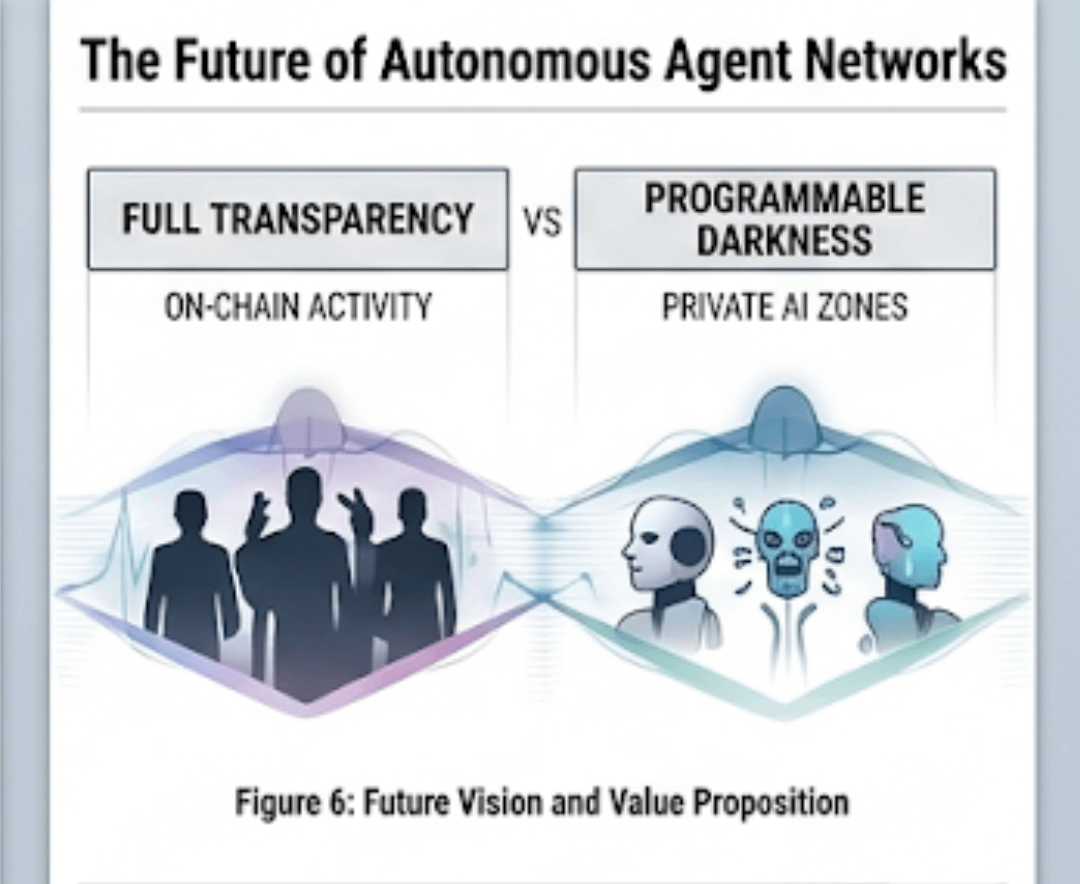
Most blockchain privacy tools today focus on protecting human users. Zero-knowledge proofs, encrypted transactions, and privacy pools exist so individuals can maintain financial confidentiality. NIGHT, however, hints at something different: programmable privacy environments where information visibility itself becomes an adjustable parameter of the network.
Think of it like lighting control in a theater.
The stage can be fully illuminated when the audience needs to see everything. But sometimes the lights dim to allow performers to reposition, prepare, or create transitions. Those moments of darkness aren’t flaws in the system—they’re part of the choreography.
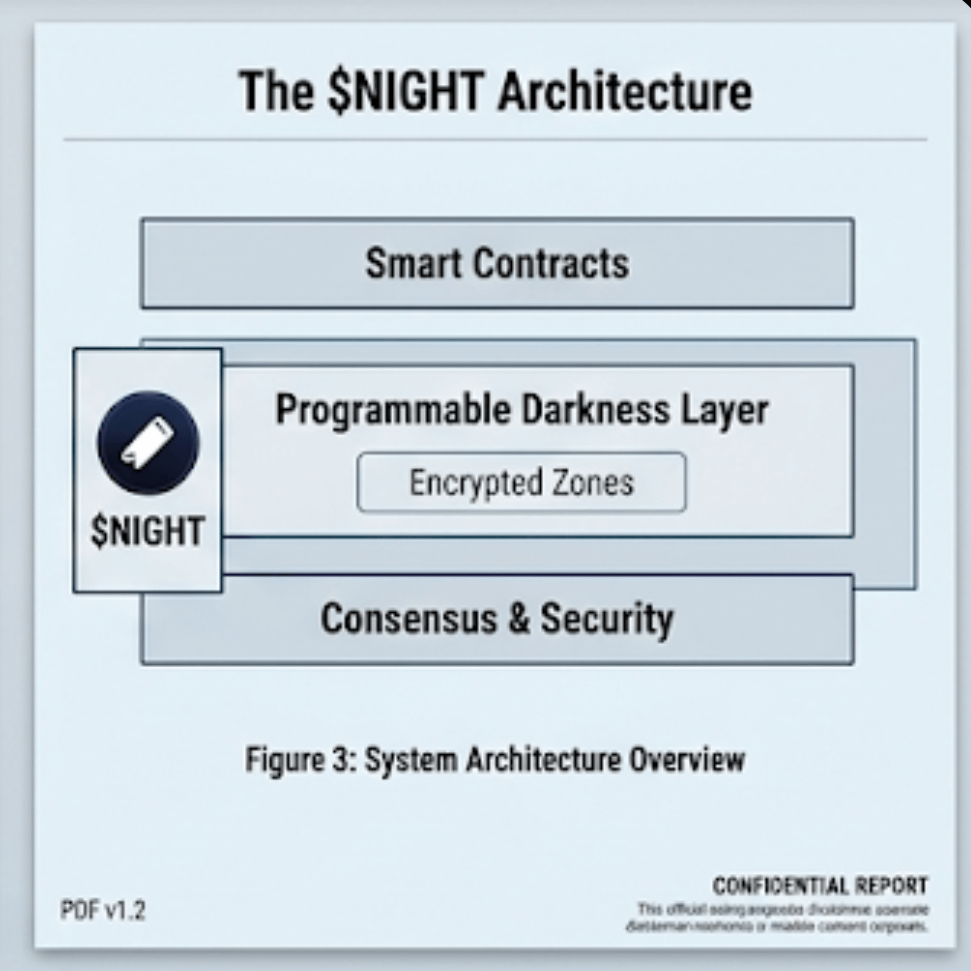
NIGHT’s architecture appears designed to bring that same concept to blockchain systems.
Instead of treating privacy as a static feature, programmable darkness layers allow protocols to dynamically control which interactions remain visible and which operate inside encrypted zones. These blind zones could allow AI agents to negotiate decentralized compute prices, coordinate liquidity routes, or execute complex multi-step strategies without revealing sensitive information that could be exploited by front-runners or competing agents.
The need for this becomes clearer when you look at how fast autonomous agents are entering crypto infrastructure.
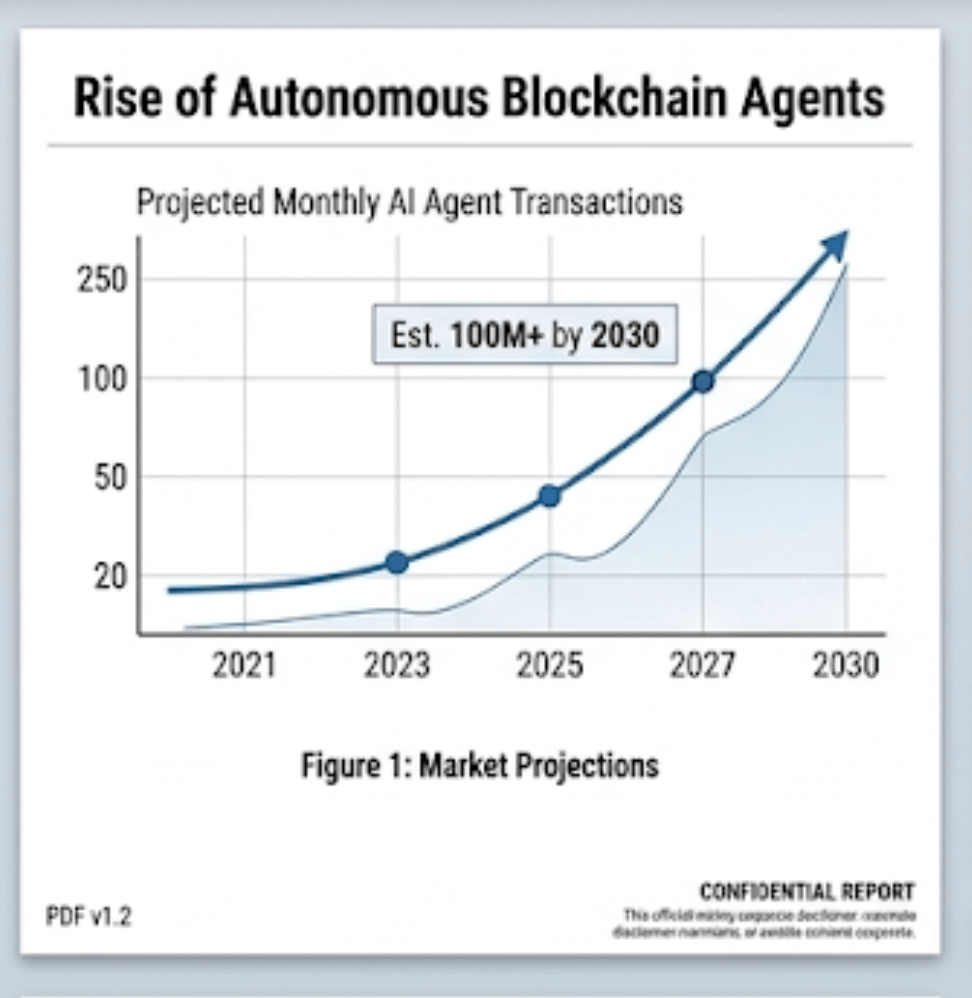
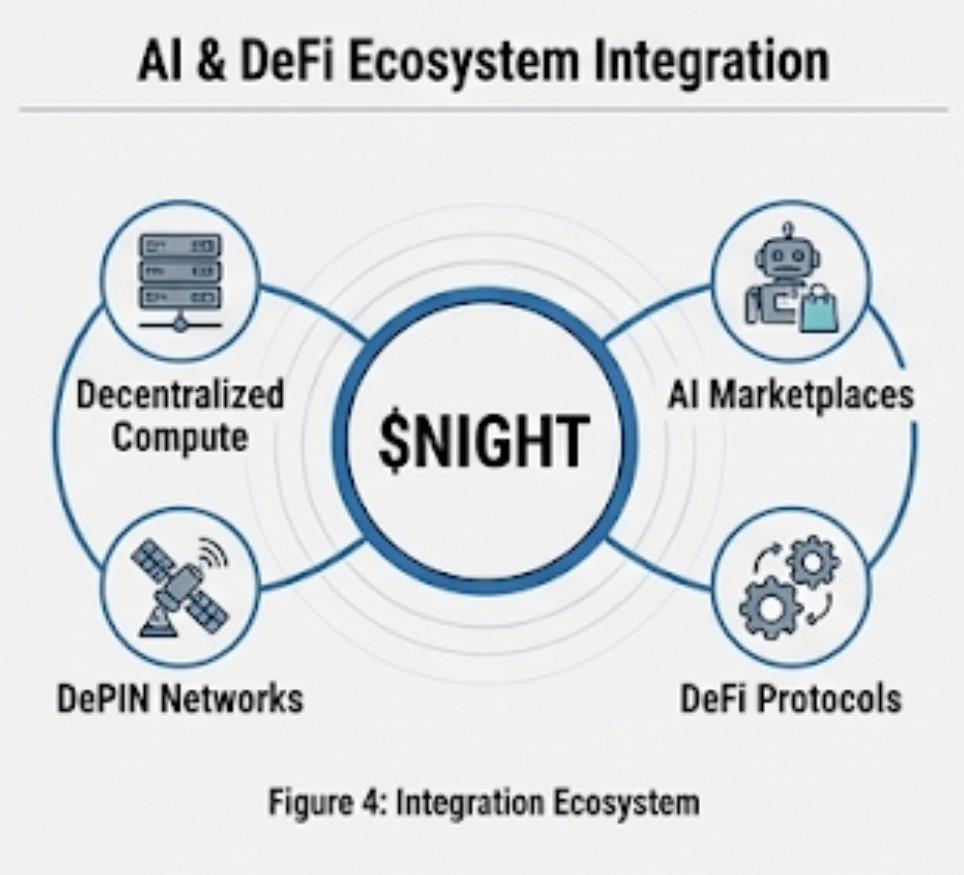
Across decentralized compute networks, AI inference marketplaces, and DePIN ecosystems, machine-to-machine interactions are exploding. Some analysts estimate that autonomous agents could generate a meaningful share of blockchain transaction volume within the next decade. Unlike humans, these agents operate continuously, optimizing strategies in real time.
Full transparency in such environments creates a paradox.
If every negotiation or strategic move is visible instantly on-chain, competing agents can simply copy or counter those strategies. The system becomes less about intelligence and more about who can react fastest to public data.
Programmable darkness changes that dynamic.
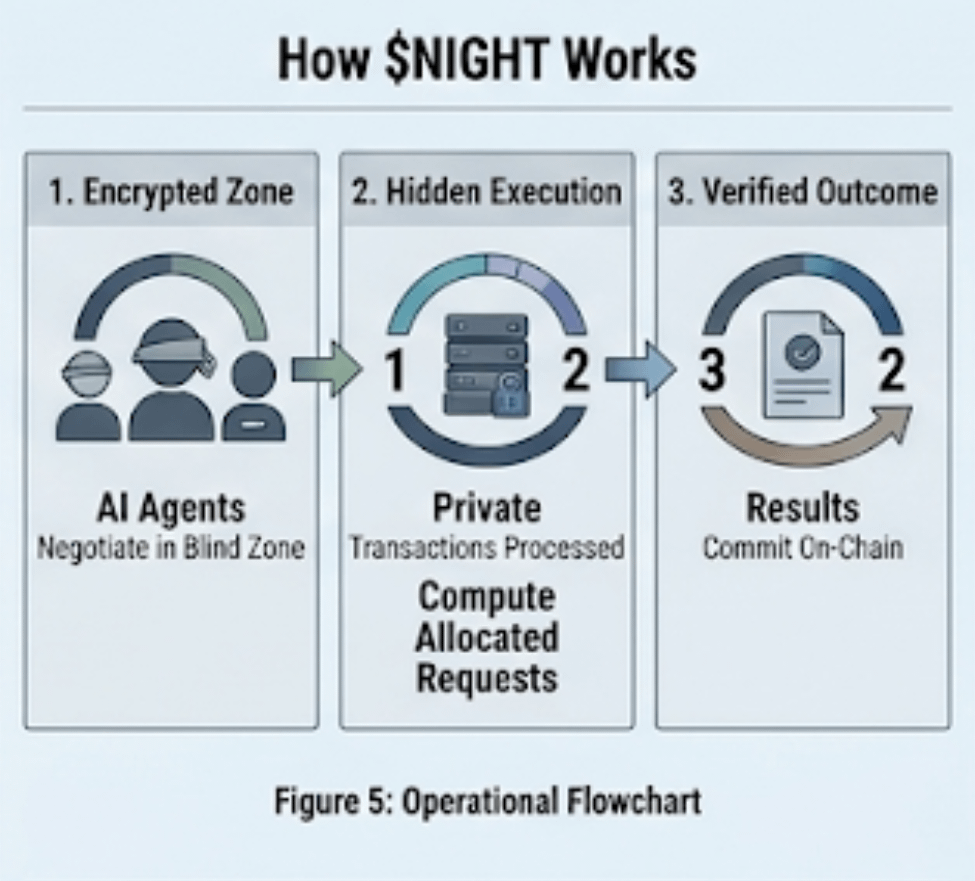
With encrypted execution environments supported by NIGHT, agents could operate within temporary cryptographic envelopes. The results might eventually settle on-chain, but the internal decision-making process remains shielded from observers during execution.
In practical terms, this could enable several new protocol designs.
Decentralized AI marketplaces could run sealed bidding systems where models negotiate inference pricing privately before committing final results. Autonomous trading agents could coordinate liquidity strategies without broadcasting intentions to the entire market. Even decentralized governance might experiment with blind proposal incubation phases before public debate begins.
There’s also a deeper philosophical angle here.
For years, crypto culture treated transparency as a moral good. “Don’t trust, verify” became synonymous with radical openness. But as blockchains evolve into machine economies, transparency alone may not produce optimal systems.
Nature offers an interesting comparison. Complex ecosystems don’t operate with perfect visibility. Many processes—biological signaling, neural communication, evolutionary adaptation—happen beneath the surface. Partial opacity actually allows systems to develop resilience and intelligence.
Programmable darkness could serve a similar role for blockchain ecosystems.
Of course, introducing blind zones into decentralized networks carries real risks. Reduced visibility can create opportunities for manipulation, hidden collusion, or governance abuse. If privacy layers become too opaque, they undermine the accountability that makes blockchains trustworthy in the first place.
The real challenge for protocols like NIGHT is finding the balance between privacy and verifiability.
Cryptographic techniques such as zero-knowledge proofs and verifiable computation will likely play a key role here. Even if agents operate inside encrypted environments, the network still needs mathematical guarantees that the outcomes follow agreed rules. In other words, the process can remain hidden, but the integrity of the result must remain provable.
That balance could define the next stage of blockchain infrastructure.
Right now, most discussions about AI and crypto focus on compute markets, data networks, or tokenized AI services. But if autonomous agents truly become economic actors on-chain, they’ll need operational environments that aren’t constantly exposed to adversarial observation.
Programmable darkness might be one of the missing pieces.
Watching NIGHT through that lens, it begins to look less like a privacy feature and more like an experimental design layer for machine-native blockchains. Not a rejection of transparency—but a recognition that intelligent systems sometimes need shadows in order to function.
If blockchain is evolving into the coordination layer for autonomous agents, the networks of the future may not just be transparent ledgers.
They might also contain carefully engineered darkness.
$NIGHT #night #Night #NIGHT @MidnightNetwork
