
In the pursuit of efficiency, we've created systems that thrive on certainty. But what happens when the unexpected strikes, and "almost done" turns into a costly bottleneck? Fabric Foundation's$ROBO is tackling this challenge head-on, but the real question is: can machines handle the ambiguity of human work?
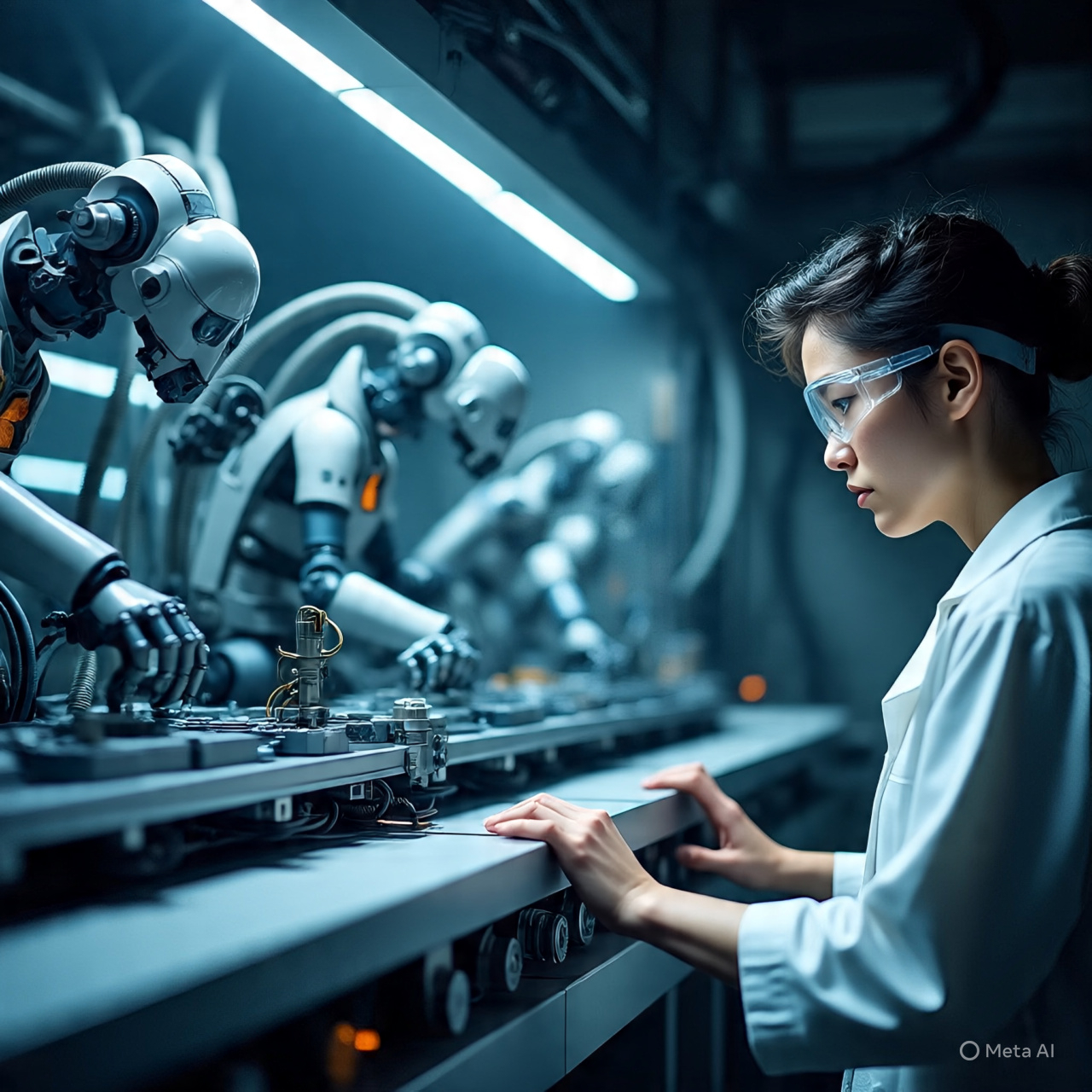
We've grown accustomed to blockchain's binary world, where transactions are either valid or invalid. But work isn't binary – it's messy, iterative, and often incomplete. $ROBO's approach recognizes this complexity, introducing a framework for machines to navigate partial states and uncertain outcomes.
The problem lies in the "almost" zone, where tasks are nearly complete, but something's off. Evidence arrives in waves, controversies emerge, and humans are pulled in to fix the mess. This isn't just a technical issue; it's an economic one. Who bears the cost of uncertainty? How do we incentivize machines to handle ambiguity?
$ROBO's solution involves making partial completion a first-class economic state, with clear phase commitments and incentivized verification. But will it be enough? The real test lies in addressing mid-flight failure patterns, hidden costs, and the autonomy illusion.
As work volumes grow, will $ROBO's compensation frequency scale linearly, or will it spiral out of control? Can integrators eliminate reconciliation code, or will it become a permanent fixture? And what about disputed tasks – can machines resolve them without human intervention?

The answers will determine whether $ROBO is a game-changer or just a clever experiment. One thing's certain: the future of work depends on machines that can handle the "almost" zone. 🌐
@Fabric Foundation #robo $ROBO
