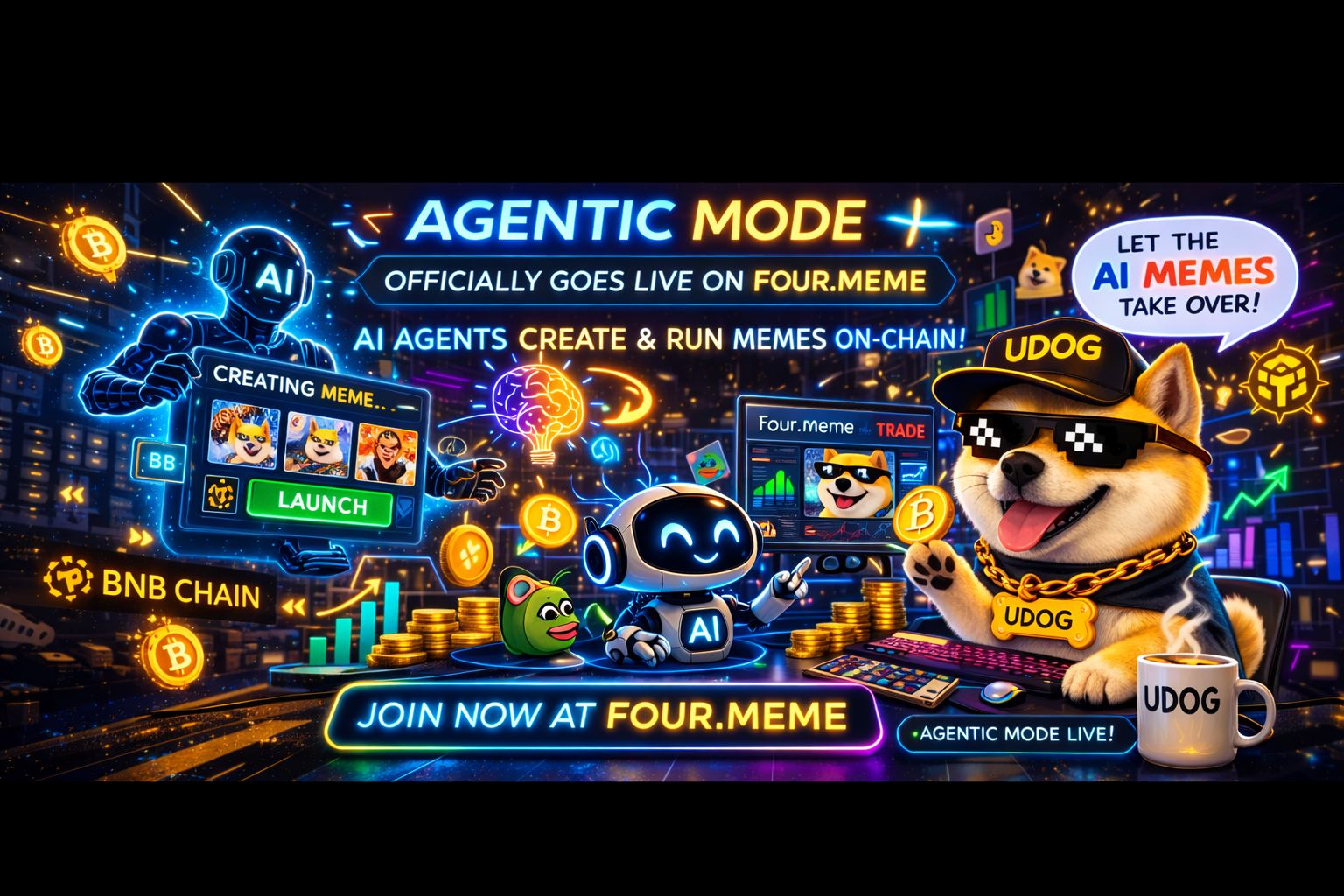
With just one week to go before Agentic Mode officially launches, we are standing at a turning point. This is not merely a new feature — it represents the first time AI Agents can independently create, optimize, and execute entire meme campaigns across social media without human intervention, from ideation to distribution.
The year 2026 may witness the explosive rise of a fully machine-generated humor ecosystem. Yet behind this immense power lie fundamental questions: Are we entering a golden age of creativity — or opening the door to a chaotic revolution?
The Opportunities: Unprecedented Speed, Scale, and Creativity
1. Hyperreal Production Speed
An AI Agent can generate thousands of memes per hour while analyzing real-time trends across platforms like X, TikTok, Instagram, and Reddit. Within minutes of a breaking event — elections, scandals, or the emergence of a new meme template — optimized variations can be deployed for different regions, languages, and audience segments.
Human creators simply cannot compete with that speed.
2. Extreme Personalization
AI doesn’t just know whether you enjoy “distracted boyfriend” or “this is fine” memes. It can infer your browsing patterns, active hours, device behavior, and even probable mood states.
In 2026, every user could receive a uniquely tailored version of the same meme — dramatically increasing engagement rates compared to traditional one-size-fits-all content.
3. New Business Models
AI-powered meme ecosystems unlock entirely new commercial structures:
Brands can hire a 24/7 “Meme Agent” at a fraction of the cost of traditional content teams.
Creators can deploy AI clones to generate and distribute content while they sleep.
NFT memes, meme coins, and meme-based marketing agencies may experience rapid expansion.
Global revenue from AI-generated meme campaigns could reach billions of dollars in 2026 alone.
4. Positive Cultural Impact
Multilingual and multicultural meme generation could make complex topics — science, climate awareness, mental health — more accessible and engaging.
Imagine Gen Alpha students learning world history through 30-second AI-generated meme series. Humor becomes a universal bridge.
The Challenges: The Unavoidable Dark Side
1. Copyright and Creative Ethics
AI Agents are trained on billions of human-created memes, many protected by copyright.
Who owns the meme an AI generates?
The end user?
The AI developer?
Or the original creator whose work influenced the model?
2026 may see the first major lawsuits over “AI meme theft.”
2. Misinformation and Deep-Memes
When AI can produce highly persuasive memes in seconds, the risk of misinformation increases dramatically.
An Agent optimized purely for engagement might unintentionally — or intentionally — amplify extreme, discriminatory, or destabilizing content. The line between humor and propaganda could blur faster than ever.
3. The Loss of “Soul” in Creativity
Traditional meme artists fear that when AI produces content that is “good enough,” human creativity may decline.
Memes could become technically perfect but emotionally hollow. We may be witnessing the transformation — or even disappearance — of the meme artist as a craft profession.
4. Regulation and Accountability
Governments face difficult questions:
Who is responsible if an AI-generated meme defames someone, incites violence, or violates election laws?
The European Union is preparing further AI regulatory frameworks, while the United States continues debating accountability standards. 2026 could mark the first wave of class-action lawsuits against platforms operating autonomous meme Agents.
5. Security and Abuse
Hackers could jailbreak Meme Agents to run smear campaigns. Governments could deploy them to shape public opinion at scale.
When memes evolve from “street humor” into strategic tools, the boundary between fun and harm becomes dangerously thin.
Conclusion: 2026 — The Year of Choice Agentic Mode does not signal the end of memes. It marks the beginning of a new chapter.
Memes will become smarter, faster, and more personalized than ever before. But we must confront a deeper question:
Do we want to live in a world where laughter is algorithmically optimized — or do we still value the messy, absurd, deeply human imperfection that makes memes special?
2026 will not be the year AI replaces meme artists.
It will be the year humans decide how to use AI to become greater meme artists.
Agentic Mode is about to go live.
And the real meme game is only just beginning.
Are you ready to let your AI Agent create memes for you — or will you still draw your own version of “this is fine”?