
I’ll be honest when I first saw “AI-native blockchain” attached to VanarChain, I rolled my eyes a little. Another layer-1 claiming to bake intelligence into the base layer, promising everything from semantic transactions to on-chain reasoning. I've followed enough chains to know that labels like that often mask ordinary infrastructure with extra marketing. But after watching VanarChain ($VANRY) quietly handle real activity for months, what stands out to me isn't the AI branding it's how the chain behaves when stablecoin volume becomes relentless.
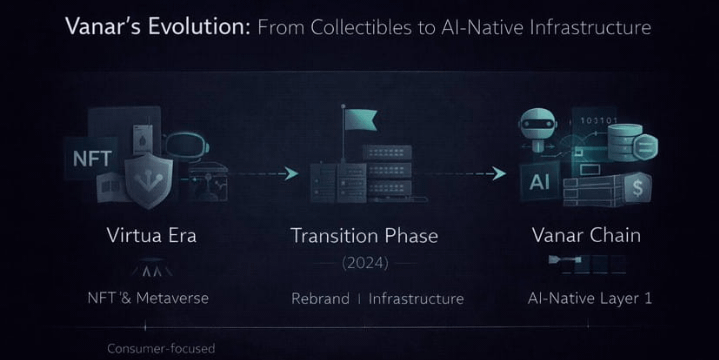
VanarChain was designed with payments in mind, particularly stablecoin transfers that need to feel invisible. Zero-fee or near-zero cost transfers (often around $0.0005), fixed fiat-denominated fees that don't spike with demand, and fast settlement without the usual congestion complaints. This isn't about chasing TPS headlines; it's about making high-frequency, low-value movements sustainable. In practice, that means the chain can absorb spikes in stablecoin activity without users noticing slowdowns or paying punitive gas.
High load is the real test. Under pressure, you see what actually works: sequencing fairness (first-come, first-served without priority auctions favoring whales), paymaster reliability for sponsored transactions, and efficient liquidity routing so funds don't get stuck in fragmented pools. I've noticed VanarChain holds up here in ways that feel pragmatic rather than flashy. No dramatic outages or emergency pauses during busy periods at least none that disrupted normal use.
Take the recent examples of massive inflows into savings and lending vaults. Integrations pulling in billions quickly (think setups similar to Aave-style protocols or Veda-like yield layers) test whether the chain can route capital without choking. From what I've tracked, VanarChain processed these without breaking stride settlements stayed prompt, fees predictable, no cascading failures in bridging or DEX routing. That's not luck; it's infrastructure doing its job quietly.
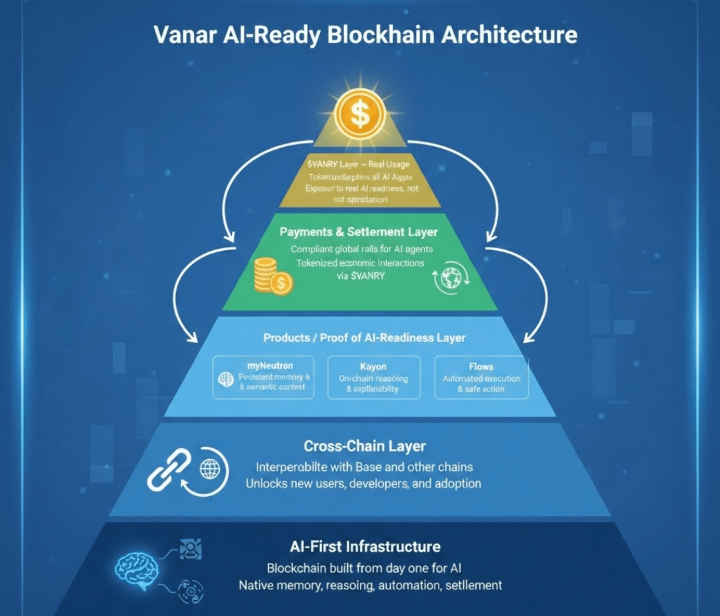
The Bitcoin anchoring adds a subtle but important backstop. By leveraging BTC security elements in its hybrid model, the chain gains a layer of finality and economic security during volatility spikes. When markets get choppy or inflows surge, that external anchor helps prevent the kind of internal consensus wobbles that plague purely native setups. It's not the loudest feature, but it matters when things heat up.
Audits matter, sure but paper audits only go so far. What counts is how the system performs in production under unexpected stress. VanarChain's team has leaned into transparency during these moments: clear communications on fixes, clarifications during volatility, updates shared promptly without spin. No vague "all hands on deck" posts; more like straightforward explanations of what happened, why, and what's next. That builds quiet confidence over time.
Contrast this with other chains I've watched. When payments dominate activity say, a stablecoin frenzy or mass transfers many slow to a crawl, gas wars erupt, or bridges lag. Users end up waiting hours or paying 10x normal fees just to move funds. VanarChain sidesteps that by prioritizing predictability over peak theoretical throughput. It feels like plumbing that doesn't leak when the pressure rises.
What stands out to me most is this: real infrastructure shouldn't feel exciting during normal use it should feel boringly reliable. VanarChain is starting to deliver that in the stablecoin-heavy scenarios that actually drive daily volume.
When volume surges 5x overnight, does your chain still feel like infrastructure or just another bottleneck?